Key takeaways
- France blocks Polymarket after officials said it promoted illegal gambling.
- Polymarket is a prediction market. That means people bet on yes-or-no outcomes.
- French regulators treat many paid prediction bets like gambling, so they need approval.
- The case adds pressure on prediction platforms as more countries review the same model.
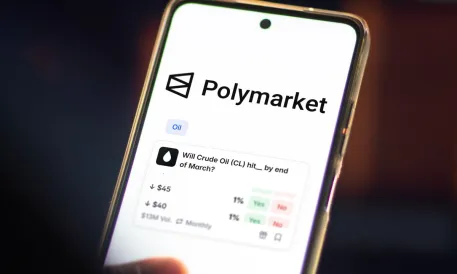
France blocks Polymarket after regulators said the site pushed illegal gambling. France blocks Polymarket means French users may lose access to the prediction market website. A prediction market is a place where people put money on future events. In this case, France says that can cross the line into betting.
The move matters because Polymarket has become one of the best-known names in online prediction markets. These platforms let users buy contracts tied to outcomes like elections, sports, or business news. If the outcome happens, the contract pays out. If it does not, the buyer loses money.
French authorities acted after concerns about gambling promotion, according to reports on the case. Gambling promotion means ads or messages that encourage people to place bets. In France, online gambling is tightly controlled, so companies usually need legal approval before offering such services.
That puts Polymarket in a hard spot. The platform sells itself as a tool for forecasting, not just betting. Forecasting means trying to guess what will happen next using prices and crowd opinion. But regulators often care less about the label and more about how money changes hands.
Why does France blocks Polymarket matter?
It matters because France is a major European market with about 68 million people. When a big country steps in, others often watch closely. As a result, this case could shape how prediction markets work across Europe.
France blocks Polymarket at a time when regulators already worry about online betting, crypto, and consumer safety. Crypto is digital money that runs on computer networks. Polymarket uses crypto for many transactions, which can make the rules even more complex for governments.
Officials tend to ask a simple question: are users making money from uncertain events? If the answer is yes, regulators may see gambling. That matters even if the website looks modern, data-driven, or political instead of casino-like.
How does Polymarket work?
Polymarket lets people trade on yes-or-no questions. For example, a market might ask whether a candidate will win an election. A share priced at 40 cents suggests the crowd thinks there is about a 40% chance of that outcome.
Users can buy and sell those shares before the event ends. So prices move up and down all day, like a tiny stock market for future events. But unlike normal stocks, the value depends on one final answer.
That is why some people love prediction markets. They say prices can gather public information fast. In fact, fans argue these markets can sometimes beat polls because traders risk real money, not just opinions.
Critics push back. They say money-based forecasts can also tempt people into gambling behavior. They also worry about market manipulation. Manipulation means trying to unfairly move prices for your own gain.
70¢50¢30¢StartPeakEnd40¢65¢52¢
The chart above shows a simple example. A contract can start at 40 cents, jump to 65 cents, then end at 52 cents. That swing is one reason regulators say these markets can feel a lot like betting.
Who regulates online gambling in France?
France has a national gambling regulator called ANJ. ANJ stands for Autorité Nationale des Jeux. It watches betting operators and checks whether companies follow French law.
French law allows some kinds of online betting, but only under strict rules. Those rules cover licensing, ads, and player protection. Player protection means steps that try to reduce addiction, fraud, and underage use.
If a company operates without approval, France can order blocks or other restrictions. That is the core issue here. Regulators appear to believe Polymarket offered or promoted an activity that fits France’s gambling rules.
For readers tracking digital platforms, this is part of a bigger pattern. Governments are testing how old betting laws apply to new apps. We have seen similar policy fights in tech, finance, and trade, including our coverage of the Google clicks claim and website traffic and the TRAI rules on Truecaller labels.
What could happen next for Polymarket?
Polymarket could try to challenge the move, change its access rules, or limit what French users can see. Geo-blocking is one common tool. Geo-blocking means a website hides itself from users in a certain country based on location.
It could also seek a more formal legal path, though that can be slow and difficult. Different countries treat prediction markets in very different ways. So one platform can be legal in one place and blocked in another.
Here is a quick summary of the main issues:
| Issue | What it means | Why it matters |
|---|---|---|
| Prediction market | Users trade on future events | Looks useful, but can resemble betting |
| Crypto payments | Digital assets move money on-platform | Adds legal and compliance questions |
| French gambling law | Paid betting needs approval | Unlicensed services can be blocked |
| Promotion concerns | Ads may encourage illegal betting | Raises risk for platforms and users |
For now, the direct impact may be largest for French users. They could face blocked access or confusion about whether funds and markets remain available. That is why clear notices matter on platforms handling real money.
There is also a wider business risk. If one country acts, others may ask the same questions. Meanwhile, investors and users may wonder whether prediction markets can scale globally without more licenses and tighter controls.
What does this mean for the prediction market industry?
France blocks Polymarket, but the real story is bigger than one website. The case tests whether prediction markets can stay in a gray area between finance, media, and gambling. A gray area means the rules are not fully settled.
That uncertainty could slow growth. It could also push platforms to focus on markets with clearer rules. For example, some may avoid political or sports contracts in tougher countries, while others may build stronger identity checks and ad controls.
The timing is important too. Interest in alternative online platforms has surged as users look for faster, more interactive ways to follow news. We have also seen that shift in fintech and online retail, like our report on the 5paisa OpenAI deal for investing and the Reliance Retail online business push.
A simple way to say it is this: if people can risk money on uncertain events, regulators will pay attention. That is the quotable core of the France blocks Polymarket story. Fancy technology does not erase basic gambling rules.
Readers who want the official legal backdrop can check France’s gambling regulator at ANJ. For the platform’s own market structure and rules, Polymarket’s official site is the primary source at Polymarket.
Could users in other countries be affected?
Yes, especially if local regulators take a similar view. Countries often borrow ideas from one another when new digital services grow fast. So France blocks Polymarket may become a case other officials cite later.
That does not mean every country will ban or block such platforms. Some may allow them with limits. Others may classify them under financial, gaming, or consumer laws depending on how the service works.
One thing is clear. Rules are catching up. And for companies built around fast-moving internet products, that can change the game very quickly.
FAQs
What is Polymarket?
Polymarket is a prediction market where users trade on future events with real money or crypto-linked funds.
Why did France block it?
French regulators reportedly said the platform promoted illegal gambling. In France, many paid betting activities need approval.
How could this affect users?
French users may lose access or face restrictions. Users in other countries could also see changes if local regulators follow France’s lead.
Get the day’s top stories in your inbox
One concise email. No spam, unsubscribe anytime.