Quick commerce food retail is changing how many people in India buy food. Quick commerce food retail means getting groceries and snacks delivered in minutes from nearby small warehouses. That speed is shifting what people buy, how often they order, and what brands stores choose to stock.
Key takeaways
- Fast delivery is changing habits. People now order small baskets more often instead of one big weekly shop.
- Snacks and drinks win early. Ready-to-eat items do well because they fit impulse buying.
- Fresh food is the next battle. Fruit, vegetables, dairy, and frozen items can bring repeat orders.
- Brands must adapt fast. They need the right pack sizes, prices, and local stock.
- Kirana stores still matter. Small neighborhood shops remain important, but the pressure is rising.
Why is quick commerce food retail growing so fast?
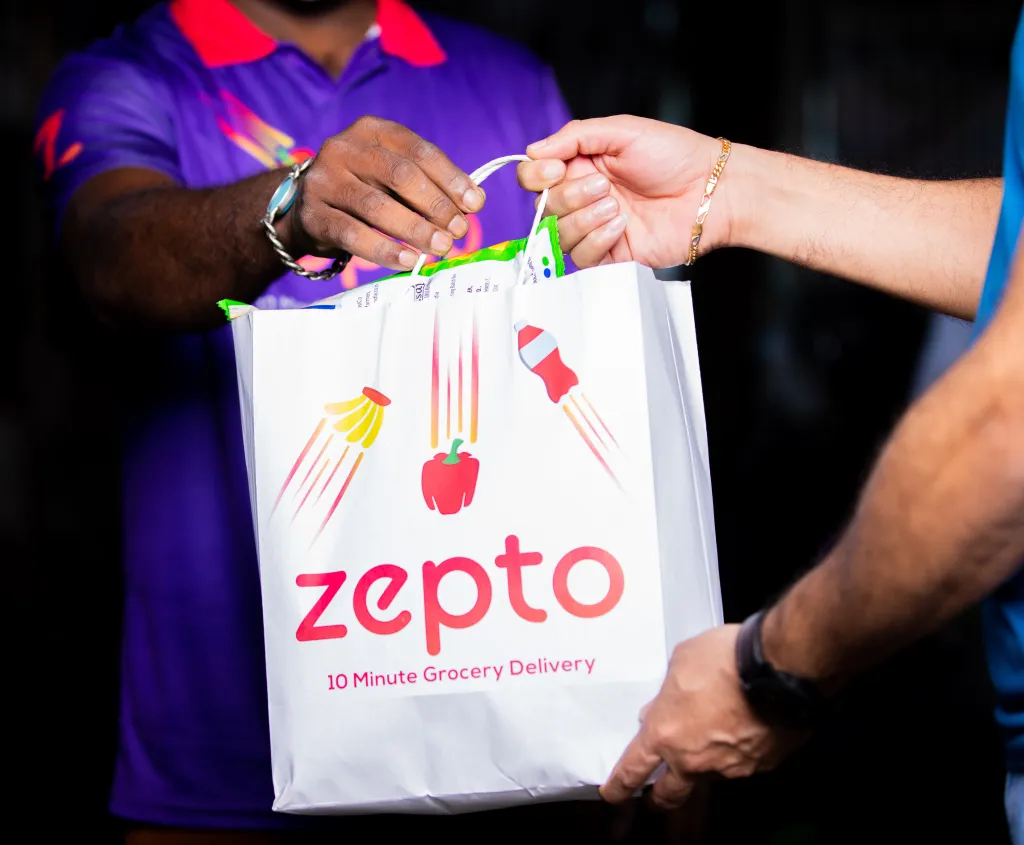
People like speed. That sounds obvious, but it matters more with food. If you run out of milk at 8 pm, waiting two days makes no sense. So a 10-minute or 20-minute delivery app feels useful, not fancy.
India’s cities are helping this trend. Many families live close to stores and busy roads, so delivery riders can move fast. Smartphones and digital payments also make ordering easy. In a few taps, dinner ingredients can be on the way.
This is not just about rich shoppers. Mid-income homes use these apps too, because they save time. A small order of bread, eggs, and bananas may cost more than a planned market trip, but many people think the time saved is worth it.
That is why food companies are watching this channel closely. They know shoppers often buy what they see first on the app screen. Shelf space still matters in old stores, but digital shelf space now matters too.
What are people buying in quick commerce food retail?
The first winners are simple. Chips, biscuits, cold drinks, noodles, ice cream, and chocolates sell well. These are impulse items. Impulse means buying something suddenly, without much planning.
But the basket is getting broader. More people now order atta, rice, oil, curd, paneer, and breakfast foods. That matters because staple goods bring repeat demand. Staples are basic everyday items people need again and again.
Fresh food is another big piece. If an app can deliver clean vegetables and good fruit every time, trust grows fast. Then people come back. In food retail, repeat buying is gold.
Some brands also make special packs for this channel. A smaller juice bottle, a snack combo, or a family-size frozen pack can fit better with fast delivery orders. That helps brands lift sales without waiting for a supermarket visit.
Typical quick commerce food basket mix0%20%40%StaplesSnacksFreshDrinks25%35%20%30%Illustrative mix based on common category trends
How is this changing stores and brands?
Food brands used to plan around supermarkets, general trade, and kiranas. General trade means normal neighborhood shops. Now they also plan for dark stores. Dark stores are small delivery hubs that are not open to walk-in shoppers.
That changes the game. A brand may need faster restocking, more local demand forecasts, and app-friendly packaging. Forecast means an estimate of future demand. If the forecast is wrong, a product may vanish from the app in peak hours.
Space inside dark stores is tight. So only faster-selling products usually stay. That can help big brands, because they move quickly. But it can also help smaller brands if they offer the right price and strong demand in one neighborhood.
This pressure is forcing companies to study data more closely. Data means recorded information, like what sold, where, and when. For example, one area may buy energy drinks after 10 pm, while another orders dosa batter in the morning.
What do the numbers show?
The exact figures vary by platform, city, and brand, but the direction is clear. Many quick commerce orders are small, often under 10 items. That is very different from a big monthly stock-up trip.
Delivery promises also shape behavior. If an app says 10 minutes, shoppers may add only what they need right now. If it says 30 minutes, they may build a larger basket. Even a small time gap can change buying patterns.
In many cities, food and grocery now form a huge share of quick delivery demand. Some platforms have expanded to thousands of stock points, while large brands track sales by pin code. A pin code is a postal area number. That helps them spot local trends fast.
| Category | Why it works in fast delivery | Common order pattern |
|---|---|---|
| Snacks | Easy impulse buy | Late evening, add-on orders |
| Dairy | Urgent daily need | Morning and night refills |
| Staples | Repeat household demand | Small top-up baskets |
| Fresh produce | Convenience and trust | Frequent small orders |
| Frozen food | Quick meal solution | Weekend and dinner orders |
What does quick commerce food retail mean for kiranas?
Kirana shops are still a huge part of India’s food market. They are close, trusted, and often flexible with credit. Credit means buying now and paying later. Many families still rely on that.
But quick apps are taking some urgent and impulse purchases away. A shopper who once walked downstairs for bread and cola may now order by phone. That does not kill kiranas, but it does change their role.
Some kiranas may adapt by improving delivery, choosing better stock, or joining digital platforms. Others may focus on personal service. We saw a similar fight in our report on why kirana strategy stays central for iD Fresh Food, where neighborhood stores still mattered deeply.
The bigger point is simple. Food retail is not becoming one thing. It is becoming many things at once, with kiranas, supermarkets, and apps all fighting for the same dinner table.
Why are companies treating this as a serious strategy shift?
Because fast delivery can shape demand, not just serve it. If a product appears high on the app, shoppers may buy it more often. If it is missing for two days, they may switch brands. That is powerful.
It also changes product design. A company may launch smaller trial packs first on quick delivery apps. Then it can test demand in one city before going wider. That cuts risk and gives faster feedback.
This matters for India’s wider economy too. Consumer spending links to growth, and we discussed that in our story on India GDP growth in FY27. Food is one of the most regular forms of spending, so any shift here gets noticed quickly.
Brands also must manage supply chains better. A supply chain is the path goods take from factory to buyer. For the official policy side of food standards and packaging, companies often track updates from the Food Safety and Standards Authority of India and retail data from the Department for Promotion of Industry and Internal Trade.
What happens next in quick commerce food retail?
The next phase may be less about speed alone and more about trust, stock, and price. Ten-minute delivery grabs attention, but good tomatoes and fair prices keep users coming back. That is where the real contest sits.
Expect more fresh food, more private labels, and more local product mixes. Private labels are store-owned brands. They often cost less, so platforms like them because margins can be better. Margin means the money left after costs.
Here is the clearest way to say it: quick commerce food retail is turning food buying into a series of small, frequent decisions, and that shifts power toward whoever controls convenience, visibility, and reliable supply. That is why brands, stores, and delivery apps are all racing to win the same everyday order.
We may also see more spillover into related sectors. Better roads, warehouse networks, and port flows support faster retail systems over time, much like trends we covered in container traffic growth at Indian ports. The food order on your phone depends on a much bigger machine behind it.
FAQs
What is quick commerce food retail?
It is food shopping through apps that deliver in minutes from nearby hubs. It usually focuses on groceries, snacks, dairy, and fresh items.
Why do people use quick commerce food retail?
People use it because it saves time and solves urgent needs fast. Running out of milk, bread, or eggs is the classic reason.
How does quick commerce food retail affect brands?
It pushes brands to rethink pack sizes, pricing, stock planning, and app visibility. If a brand is easy to find and in stock, sales can rise quickly.
Get the day’s top stories in your inbox
One concise email. No spam, unsubscribe anytime.