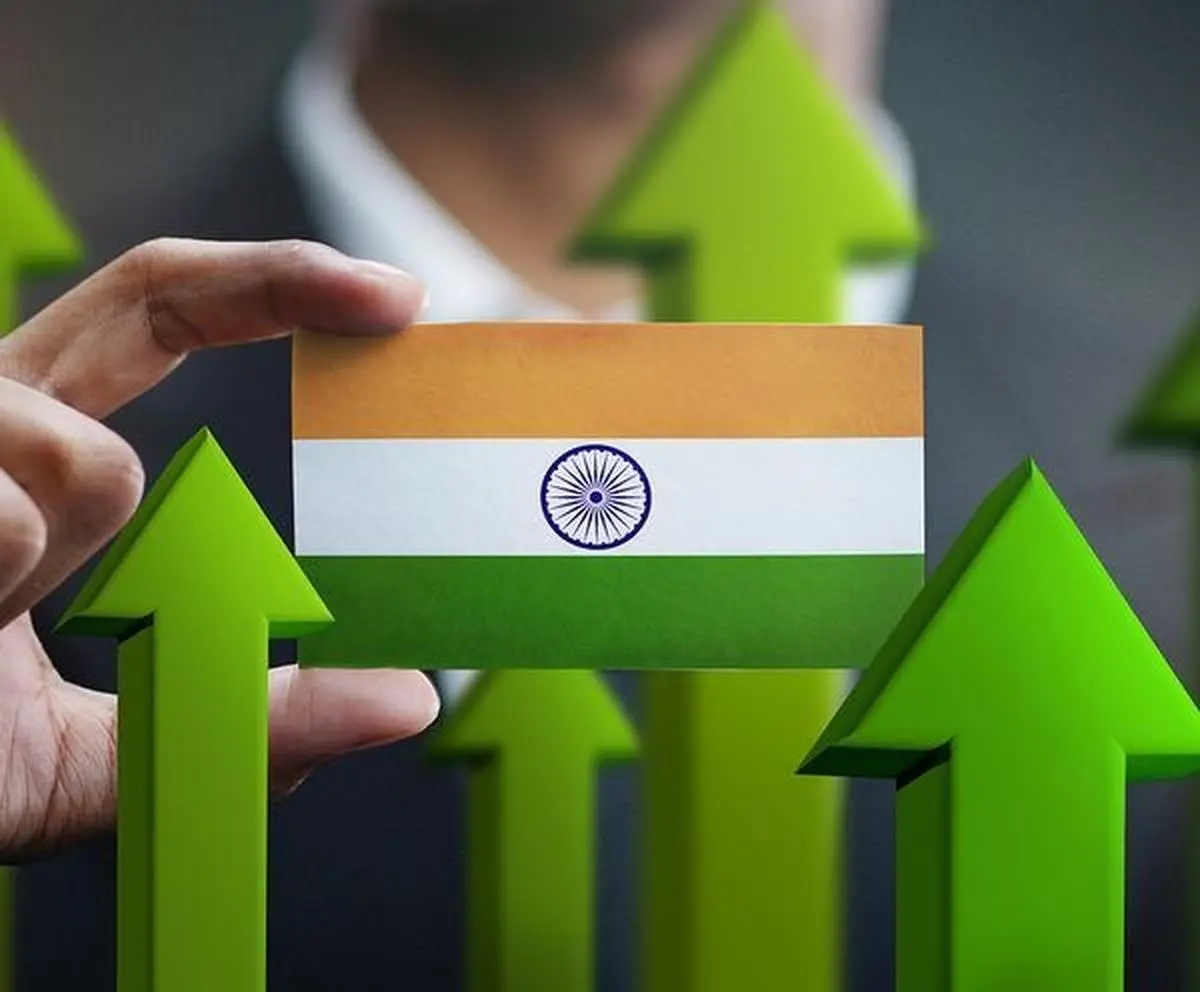
India GDP growth could land between 6.5% and 6.8% in FY27, according to Deloitte. India GDP growth is the speed at which the country’s economy grows in a year. That means the value of goods and services made across India may rise at a healthy pace. It also suggests India could stay among the world’s faster-growing big economies.
Key takeaways
- Deloitte projects India GDP growth at 6.5% to 6.8% in FY27.
- Strong local demand and investment may support that growth.
- Global risks still matter, especially trade tension and weak world demand.
- For families, growth often means more jobs, higher spending and better business activity.
What did Deloitte say about India GDP growth?
Deloitte said India may grow by 6.5% to 6.8% in FY27. A forecast is an educated estimate about the future. The firm sees support from consumer demand, public spending, and private investment.
GDP stands for gross domestic product. It means the total value of all goods and services made in a country. So when economists talk about India GDP growth, they mean how much bigger the economy gets over time.
This range matters because it sits above growth rates seen in many rich countries. For example, the United States and Europe often grow much more slowly. That’s why investors keep watching India closely.
Why could India GDP growth stay strong in FY27?
The first big reason is local demand. That means people and businesses inside India keep buying things. When families spend on homes, phones, food, travel, and school, companies earn more and often hire more workers.
The second reason is investment. Investment means money put into factories, roads, machines, data centers, and other assets that help make more things later. If firms feel confident, they spend now because they expect bigger sales ahead.
Government spending can also help. When the state builds highways, rail lines, ports, or power systems, work rises fast. As a result, construction, steel, cement, transport, and many small suppliers all benefit.
India has also been pushing manufacturing. Manufacturing means making physical products in factories. That effort links with moves in electronics and chips, including projects like India’s first chip fab plan by Tata Electronics.
What could slow India GDP growth?
Growth forecasts are never a promise. They can change if the world economy turns weak. If exports slow, factories may get fewer orders from abroad.
Exports are goods and services sold to other countries. India sells things like software, medicines, engineering goods, and refined fuel overseas. So a global slowdown can hurt even when local demand stays decent.
Trade fights are another risk. Tariffs are taxes on imports. If major countries raise tariffs or block trade, supply chains can get messy and companies may delay spending.
Oil prices matter too because India imports a lot of crude. A sharp jump in oil can raise transport and factory costs. Then prices may rise for regular people, while company profits may get squeezed.
Inflation is another thing to watch. Inflation means prices rise over time. If food or fuel gets costly, families may cut extra spending, and that can slow business activity.
How big is 6.5% to 6.8% growth, really?
Think of the economy as a giant pie. If the pie grows by 6.5% in one year, it gets meaningfully larger. On a base of about $4 trillion, even a 6.5% rise points to roughly $260 billion in added output, though actual totals depend on the final size and prices.
The gap between 6.5% and 6.8% looks small, but it isn’t tiny in money terms. A difference of 0.3 percentage point on a $4 trillion economy works out to about $12 billion. That is larger than the yearly output of many small sectors.
Here is a simple view of the forecast range:
6.5%6.8%LowHighGrowthFY27
And here is a quick comparison table:
| Measure | Figure | What it means |
|---|---|---|
| Deloitte FY27 low case | 6.5% | Healthy expansion if support holds |
| Deloitte FY27 high case | 6.8% | Stronger demand and investment |
| Range width | 0.3 point | A small gap with big money impact |
What does this mean for jobs, families and business?
For most people, growth matters when it turns into work and income. A growing economy often helps companies sell more. Then firms may hire staff, raise output, and order more from suppliers.
That does not mean everyone feels better right away. Some sectors move faster than others. For example, tech services may do well while export factories face pressure from weak global demand.
Still, steady India GDP growth can improve confidence. Confidence means people and firms feel safer about spending and investing. Since business decisions depend a lot on confidence, that feeling can shape the year ahead.
Banks also watch growth closely because credit demand often rises with activity. Credit means borrowed money. Recent bank earnings and outlook stories, such as our report on the Indian banks FY27 outlook, show why lenders care about a stronger economy.
How does this fit with India’s wider economic story?
India has tried to balance growth with stability. Stability means keeping prices, currency, and financial systems from swinging too wildly. That balancing act matters because fast growth can lose steam if inflation or debt rises too sharply.
Foreign exchange reserves are one sign people track. Reserves are overseas assets held by the central bank. They help a country manage shocks, and our recent piece on India’s forex reserves rising to $675.15 billion gives useful context.
Another piece of the puzzle is industrial policy. That means government steps to support key sectors. For example, chip design and fabs matter because countries want more control over supply chains, as seen in our coverage of chip design advances.
For readers who want the original source trail, Deloitte’s outlook was reported by BusinessLine, and official GDP methods are explained by the Ministry of Statistics and Programme Implementation. The broader policy backdrop can also be tracked through the Reserve Bank of India.
India GDP growth of 6.5% to 6.8% in FY27 would mean the economy keeps expanding at a solid pace, mainly because local demand and investment stay strong even if the global backdrop remains shaky.
What should readers watch next?
Watch three things. First, keep an eye on inflation, especially food and fuel. Second, track investment plans by companies and the government. Third, see whether exports improve or weaken.
Quarterly GDP data will matter a lot. Quarterly means every three months. If early numbers come in strong, confidence in the FY27 forecast may rise.
Also watch policy signals from the RBI and the Union government. The RBI is India’s central bank. It sets interest rates, guides liquidity, and helps keep prices under control.
FAQs
What is India GDP growth?
India GDP growth is the yearly rise in the value of all goods and services made in India. It is a simple way to measure how fast the economy is growing.
Why does 6.5% to 6.8% growth matter?
It matters because that is strong growth for a large country. It can support jobs, business sales, tax revenue, and investor confidence.
Who gave this FY27 forecast?
Deloitte gave the forecast. It said India GDP growth could reach 6.5% to 6.8% in FY27, while global risks still need watching.
Get the day’s top stories in your inbox
One concise email. No spam, unsubscribe anytime.