Key takeaways
- Copper demand is rising because the world needs more wires, motors, and power lines.
- Electric cars, data centers, and new grids use far more copper than older systems.
- Supply is not growing fast, so prices can stay jumpy.
- That matters for clean energy costs, factory plans, and even your power bill.
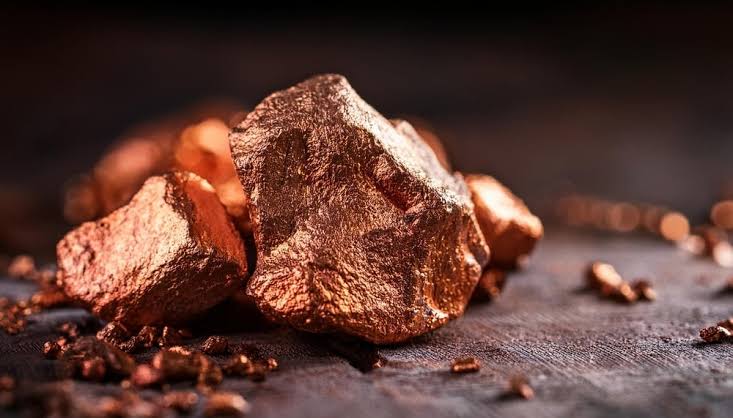
Copper demand is the growing need for copper, a reddish metal used in wires and machines. Right now, copper demand is climbing because countries want more electric cars, bigger power grids, and more data centers. That makes copper one of the most wanted materials in the world. People now call it the new oil.
Why does this matter? Because copper sits inside many things you use or hear about every day. It carries electricity, so it is vital for charging an EV, running an air conditioner, or moving power from a solar farm to a city. If copper gets costly or hard to find, many big plans slow down.
Why is copper demand rising so fast?
The biggest reason is electrification. Electrification means replacing machines that burn fuel with machines that run on electricity. An electric car uses much more copper than a petrol car because it needs thicker wiring, a motor, and charging parts.
Power grids also need a lot of it. A grid is the network of wires and stations that moves electricity. As countries add solar panels, wind farms, and battery storage, they must build more lines, transformers, and connectors, and all of that uses copper.
Data centers add another push. A data center is a large building full of computers. AI, cloud services, and streaming need more of these sites, so companies need more cables, cooling systems, and power equipment.
Here is the scale. The International Energy Agency says clean energy needs are reshaping metals markets, especially for copper. Meanwhile, the U.S. Geological Survey says the world mined about 23 million metric tons of copper in 2024, but long-term demand could rise well beyond that pace if energy and AI building stay strong.
What makes copper so hard to replace?
Copper is not rare like gold, but it has a special job. It moves electricity well, bends without breaking, and lasts a long time. Aluminum can replace it in some places, but not everywhere, because copper often works better in tight, high-performance equipment.
Think of it like this. If electricity were water, copper would be one of the best pipes. That is why builders, carmakers, and utility companies keep coming back to it.
It also helps that people know how to use it. Factories already build around copper parts. Engineers also trust it because it has worked for decades in homes, trains, phones, and power plants.
Why can supply not keep up with copper demand?
Mining is slow. A mine can take 10 to 20 years to discover, approve, build, and expand. That is a huge delay, so supply often lags behind when demand suddenly jumps.
Ore grades are also falling in some places. Ore grade means how much metal sits in the rock. If the rock has less copper, miners must dig and process more material to get the same amount, which raises cost and time.
Some big producers also face water limits, power shortages, tax fights, or local protests. Chile and Peru are major copper suppliers, but projects there can still face delays. In fact, even a small disruption at a giant mine can shake prices worldwide.
Recycling helps, but it cannot solve everything. Recycled copper is old copper melted and used again. That is useful because it saves energy, but the world still needs fresh mined copper for all the new roads, grids, cars, and servers being built.
How much copper different uses needPetrol carEVGrid gear~20kg~60kgHigh use
The chart shows the basic idea. A petrol car may use about 20 kilograms of copper, while an EV may use around 60 kilograms or more. Exact numbers vary by model, but the gap is real and large.
What could copper demand mean for prices and countries?
When supply grows slowly and buyers rush in, prices can jump. That affects everything from house wiring to factory machines. It can also make clean energy projects cost more at the start, even if they save money later.
Countries with copper reserves may gain power. Reserves are known deposits that can likely be mined. Chile, Peru, the Democratic Republic of Congo, Australia, and others could draw more investment as companies hunt for secure supply.
Importing countries will try to protect themselves too. They may sign long contracts, back overseas mines, or boost recycling at home. India, for example, is building more power, electronics, and manufacturing capacity, so metal security matters a lot.
This also links to energy and industry stories we are already tracking. Higher raw material needs can ripple into transport and fuel costs, much like Brent oil price spikes do. And if India keeps expanding factories and infrastructure, that fits with broader business optimism seen in the investment friendliness rankings.
How big is the copper demand story in numbers?
Numbers help make this clear. The world mined about 23 million metric tons of copper in 2024, according to the U.S. Geological Survey. Global refined copper demand has been near or above 26 million tons in recent years, depending on the source and method.
An electric vehicle can use roughly 2 to 3 times more copper than a conventional car. Wind, solar, and grid upgrades also need large amounts per project. So, if millions more EVs hit roads each year, metal demand rises very fast.
One more number matters. New mines often need billions of dollars in investment before they produce a single ton. That means companies must bet years ahead, and those bets can go wrong if prices swing.
| Use | Why copper is needed | Approx impact |
|---|---|---|
| Electric vehicles | Motors, batteries, wiring, charging | 2-3x more copper than petrol cars |
| Power grids | Cables, transformers, substations | High demand from grid expansion |
| Data centers | Power systems, cooling, cabling | Growing with AI and cloud |
| Renewables | Solar, wind, storage connections | Steady long-term pull |
What does copper demand mean for India?
India may feel this in several ways. If copper prices rise, costs can increase for carmakers, builders, power firms, and electronics makers. But there is another side, because strong demand can also push investment into smelting, recycling, and supply deals.
India is trying to build more at home. That includes chips, electronics, charging networks, and power systems. You can see that wider push in stories like India’s chip design incentives and new industrial projects such as Tata Electronics’ chip fab plan.
There is a simple takeaway here. Copper is becoming a strategic material. Strategic means it is important for a country’s future strength. Oil still matters, of course, but for the electric age, copper may matter almost as much.
Copper demand is rising because the world is building more electric machines, bigger power grids, and more data centers, while new mines take many years to open.
For readers, that means one thing above all. The copper story is not only about miners. It is about cars, electricity, AI, factories, and the speed of the energy shift.
For primary data, readers can check the U.S. Geological Survey copper data and the IEA’s critical minerals outlook. Those reports help explain why this metal now sits at the center of so many global plans.
FAQs
Why is copper called the new oil?
Because modern economies need it for energy and industry. It powers electric cars, grids, and data centers, much like oil powered the old fuel age.
How does copper demand affect normal people?
It can change the cost of cars, home wiring, appliances, and power projects. If copper gets pricey, some products may cost more.
What could slow copper demand?
A weak global economy could cool demand for a while. Better recycling or new materials could help too, but they are unlikely to replace copper fully soon.
Get the day’s top stories in your inbox
One concise email. No spam, unsubscribe anytime.