Key takeaways
- Iraq US agreements refers to 48 new deals signed by Iraq and the United States.
- The deals cover energy, trade, security, transport, and technology.
- Iraq wants more investment, while the US wants deeper ties in a tense region.
- The real test comes later, because signed papers still need money, work, and follow-through.
Iraq US agreements is the name for a new bundle of 48 deals signed by Iraq and the United States. That means both sides agreed on projects and plans in key areas. The aim is simple: build closer ties, bring in investment, and steady Iraq’s economy. But the big question is whether these deals turn into real work on the ground.
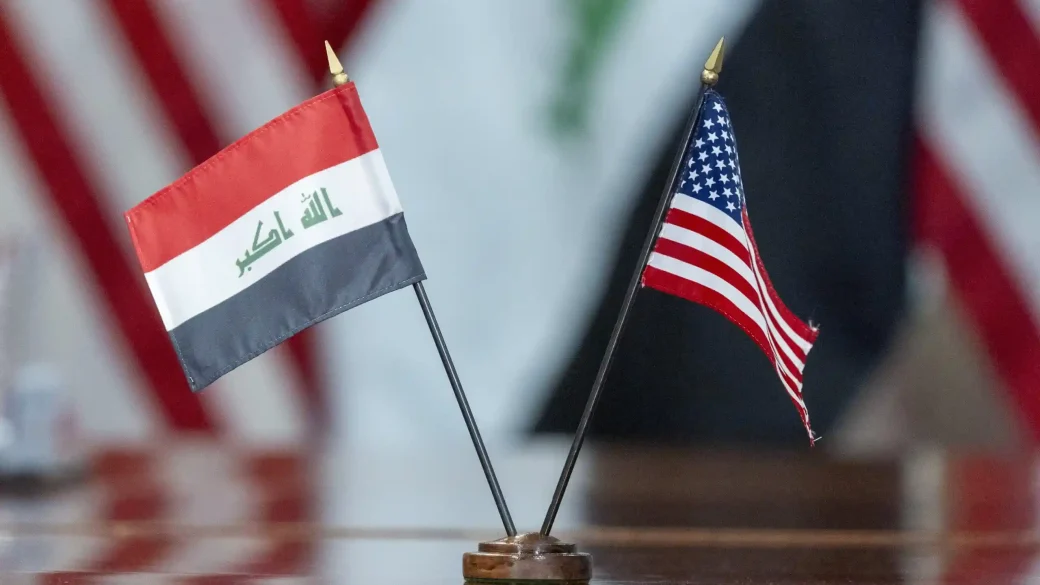
Iraq announced the agreements during Prime Minister Ali al-Zaidi’s visit to the United States. The two countries said the deals span energy, trade, security, and other sectors. Those are broad areas, so it helps to think of them as the basic parts of a country: power, jobs, safety, and transport.
What was signed in the Iraq US agreements?
The headline number is 48. That is a lot for one visit, and it shows both sides wanted a strong signal. A signal is a public sign of intent. In plain words, they want businesses and allies to see that this relationship still matters.
According to official statements, the agreements touch energy projects, commercial ties, security cooperation, and infrastructure. Infrastructure means the big systems people use every day. That includes roads, ports, power networks, and other basics that help a country run.
Some deals may be full contracts, while others may be memorandums of understanding. A memorandum of understanding is a written plan to work together. It is not always a final money deal, so some projects may take months before people see clear results.
That difference matters a lot. Countries often sign many papers on big visits, but only part of them become finished projects. So the number 48 grabs attention, yet the value of those deals will depend on how many move from promise to action.
Why do the Iraq US agreements matter now?
Timing is a big part of this story. Iraq sits in a rough neighborhood, and the Middle East has faced war fears, militia pressure, and energy shocks. A shock means a sudden hit that changes prices or supply fast.
That makes these agreements more than routine paperwork. Iraq needs steady electricity, more jobs, and outside capital. Capital means money used to build or expand something. The US, meanwhile, wants to stay influential in a region where China, Gulf states, Iran, and Russia also compete for space.
Oil is part of the picture too. Iraq is one of OPEC’s largest producers, so what happens there can affect global supply. OPEC is a group of oil-producing countries. It tries to shape output, which can push prices up or down.
If Iraq can improve energy systems at home, that helps in two ways. It can reduce waste and raise output over time. It can also make the country less vulnerable to outages, which hurt homes, factories, and public trust.
Iraq-US agreements: broad split of 48 dealsEnergyTradeSecurityOther16221014Illustrative sector grouping for quick understanding. Official deal-by-deal values were not fully detailed in the source report.
What could these deals change for Iraq’s economy?
The best-case story is easy to understand. More outside investment could help Iraq upgrade power plants, improve transport links, and support private business. Private business means companies that are not run by the government. That matters because private firms often create a lot of jobs.
Iraq has a young population, and many people need work. When a country cannot create enough jobs, frustration grows fast. So even a few successful projects could have an effect beyond money, because they may improve daily life and lower pressure on the government.
Still, there are hard limits. Iraq has struggled with delays, political fights, and weak public services for years. Corruption is another problem. Corruption means people misuse public power or money for private gain.
That’s why investors will watch for simple signs. Are projects funded? Do construction plans start? Do ministries approve the work on time? Those boring steps matter more than fancy signing ceremonies.
| Area | Why it matters | Main risk |
|---|---|---|
| Energy | More power, less waste, stronger oil system | Delays and funding gaps |
| Trade | More business links and imports of equipment | Slow approvals |
| Security | Training and coordination | Regional tensions |
| Infrastructure | Better transport and services | Execution problems |
How do the Iraq US agreements fit the wider region?
These agreements also send a message beyond Baghdad and Washington. They show the US still wants a working partnership with Iraq, even after years of war, troop debates, and public anger. That history matters because trust between the two sides has often been shaky.
At the same time, Iraq has tried to balance different powers. It works with the US, but it also has close links with Iran and growing ties with Gulf countries. That balancing act is tricky, since each partner wants influence.
For readers tracking energy and trade, this story also connects to the bigger oil map. You can read our earlier explainer on Iraq oil deals and why $60 billion matters now. Wider oil tension has already pushed markets, as we noted in our report on Brent oil topping $85 as war fears shook markets.
Official details from governments will matter most here. The White House and Iraqi government releases usually list the broad purpose of such visits and agreements. For primary documents, readers can track updates from the White House and Iraq’s Ministry of Foreign Affairs.
Will all 48 Iraq US agreements actually happen?
Probably not all of them, at least not soon. That’s normal in big state visits. Some deals move quickly into projects, while others stay on paper for years.
A good rule is this: signed agreements show direction, not guaranteed results. That’s the clearest way to read this news. If even 10 to 15 major projects move ahead, the visit could still matter a lot.
Here is the simple answer many readers want:
The Iraq US agreements matter because they show both countries want closer ties in energy, trade, and security, but the real impact depends on whether the 48 signed deals become funded projects and jobs.
In other words, the ceremony was the start, not the finish line. For Iraq, success means more power, smoother trade, and visible work. For the US, success means influence that lasts and partnerships that do more than make headlines.
This is also a reminder that large economic deals rarely fix problems overnight. Countries need steady policy, clear rules, and patient execution. Execution means actually carrying out the plan. Without that, even 48 agreements can end up meaning very little.
FAQs
What are the Iraq US agreements?
They are 48 new deals signed by Iraq and the United States during Prime Minister Ali al-Zaidi’s visit. They cover areas like energy, trade, security, and infrastructure.
Why are these agreements important for Iraq?
They could help Iraq attract money, improve services, and create jobs. But that only happens if the projects move from paper to real work.
How many of the 48 deals will likely succeed?
It is too early to know. In big diplomatic visits, some deals move fast, while others stall or fade away.
Get the day’s top stories in your inbox
One concise email. No spam, unsubscribe anytime.