Brent oil price jumped above $85 a barrel after fresh US-Iran strikes stirred fears about oil supply. Brent oil price is the global benchmark, which means a widely used reference price for crude oil. That matters because many countries, including India, buy oil linked to it. So when Brent rises fast, fuel bills can rise too.
Key takeaways
- Brent crude moved above $85 a barrel as traders worried the conflict could disrupt supply.
- Oil markets react fast to war risk because even a small supply shock can push prices up.
- India imports most of its crude, so higher oil can pressure fuel costs, inflation, and the rupee.
- Shipping routes in West Asia matter a lot, especially if tensions spread near key sea lanes.
Why did the Brent oil price jump?
The latest move came after military attacks involving the US and Iran raised the temperature in West Asia. Traders rushed to price in risk. That means they added a fear premium, which is extra cost caused by danger rather than a real supply loss.
Brent crude crossed $85 a barrel, while US benchmark WTI traded lower but also rose. The exact price can swing each hour, but the message was clear. Markets think the conflict could hit oil flows if it spreads.
Oil prices often move on what might happen next, not only on what has already happened. That’s why headlines can push prices before any pipeline shuts. In fact, the fear of disruption can matter almost as much as an actual disruption for a short time.
What is the market worried about?
The biggest fear is supply. Supply means the amount of oil producers can send into the market. If ships slow, ports close, or producers cut output, less oil reaches buyers.
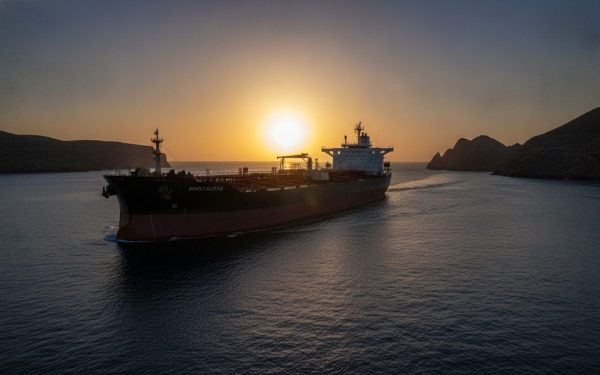
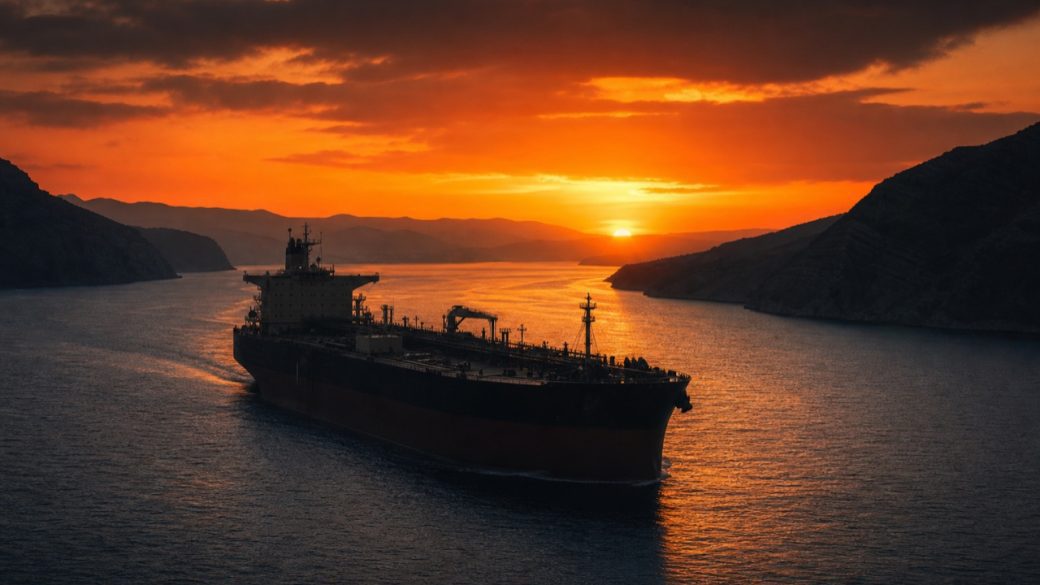
Another fear is shipping. A huge share of the world’s oil passes through narrow sea routes in the Gulf region. If tankers face delays or insurance costs jump, oil gets more expensive even if production stays steady.
Traders also watch spare capacity. Spare capacity means extra oil that big producers can pump quickly. If the market thinks that safety cushion is small, prices can jump harder on bad news.
For India, this is not a distant story. India imports more than 85% of the crude oil it uses. So a sharp move in the Brent oil price can ripple through the economy within weeks.
How much did prices move, and why do numbers matter?
The headline number is simple: Brent went above $85 a barrel. Just weeks ago, oil had traded closer to the high $70s and low $80s. A move of $5 to $7 may not sound huge, but across millions of barrels, it becomes a very big bill.
India consumes about 5 million barrels of oil a day. If crude costs $5 more per barrel, that can mean roughly $25 million more each day before taxes and refining. Over a month, that is about $750 million.
Here is a quick visual of the recent price zone that traders are watching now.
758085EarlierNow$79$85+Brent crude moved into the $85 zone
Numbers matter because oil feeds into many other costs. Airlines use jet fuel. Truck fleets use diesel. Factories use energy too, so higher crude can travel through the system like a slow wave.
| Item | Earlier level | Latest level | Why it matters |
|---|---|---|---|
| Brent crude | About $79 | Above $85 | Raises import costs |
| India crude imports | Over 85% of need | Unchanged | High global prices hit India fast |
| Extra cost at +$5/barrel | — | About $25 million a day | Bigger energy bill |
Why does India care so much about the Brent oil price?
India is one of the world’s biggest oil buyers, but it does not produce enough at home. So it must import most of what it burns in cars, trucks, planes, and factories. That makes the Brent oil price a key number for the country.
When oil rises, three things often come under pressure. First is inflation, which means prices in shops go up. Second is the trade gap, which is the difference between what a country imports and exports. Third is the rupee, because India may need more dollars to pay for oil.
We’ve already explained how oil can hurt the currency in our report on the rupee weekly drop. We’ve also looked at the broader winners and losers in rising crude oil prices. This new jump adds fresh pressure because it comes from war risk, which can change very fast.
Could shipping routes become the real problem?
Yes, and that is why markets get nervous so quickly. West Asia sits near some of the world’s most important oil routes. If tankers avoid those lanes, delivery times can stretch and freight costs can rise.
One route keeps coming up in energy talk: the Strait of Hormuz. It is a narrow waterway that links Gulf oil producers to world markets. We explained its importance in our piece on Strait of Hormuz oil flows.
India also has a growing gas market, so energy shocks do not stop with crude oil. Our earlier report showed how India became the world’s fourth-largest LNG regasification market. LNG is liquefied natural gas, which is gas cooled into a liquid for shipping. If oil and gas both stay high, the energy burden gets heavier.
What are traders and governments watching next?
First, they are watching whether the fighting spreads. If attacks stay limited, prices may cool. But if key oil facilities, tankers, or ports get hit, the Brent oil price could rise further.
Second, they are watching what OPEC and its allies do. OPEC is a group of major oil-producing countries. If producers open the taps, they can calm markets, but only if they have enough spare supply.
Third, they are watching official data on oil stocks. Stocks means stored barrels sitting in tanks. The US Energy Information Administration and the International Energy Agency both publish data that traders use to judge how tight the market is. You can track those updates at the US EIA and the IEA.
If the conflict threatens oil routes or export facilities, the Brent oil price can stay high even before real supply drops. That is why markets react so fast to war news in West Asia.
What could happen next to the Brent oil price?
There are two broad paths. If tensions ease, traders may remove some of the fear premium, and prices could slip back. But if the conflict deepens, the Brent oil price may stay above $85 or test higher levels.
For ordinary people, the big question is simple. Will higher oil make daily life cost more? The answer is often yes, but not always right away. Governments, refiners, and fuel retailers can soften the first blow, though they cannot ignore global prices forever.
That is why this move matters beyond trading screens. Oil is not just another number. It helps decide the cost of transport, power, travel, and many everyday goods.
FAQs
What is Brent oil price?
It is a global benchmark for crude oil. Many oil deals around the world use it as a reference price.
Why did Brent oil price cross $85?
It rose because fresh US-Iran attacks raised fears that oil supply or shipping could be disrupted.
How does a higher Brent oil price affect India?
India imports most of its crude. So higher oil can increase import costs, lift inflation, and pressure the rupee.
Get the day’s top stories in your inbox
One concise email. No spam, unsubscribe anytime.