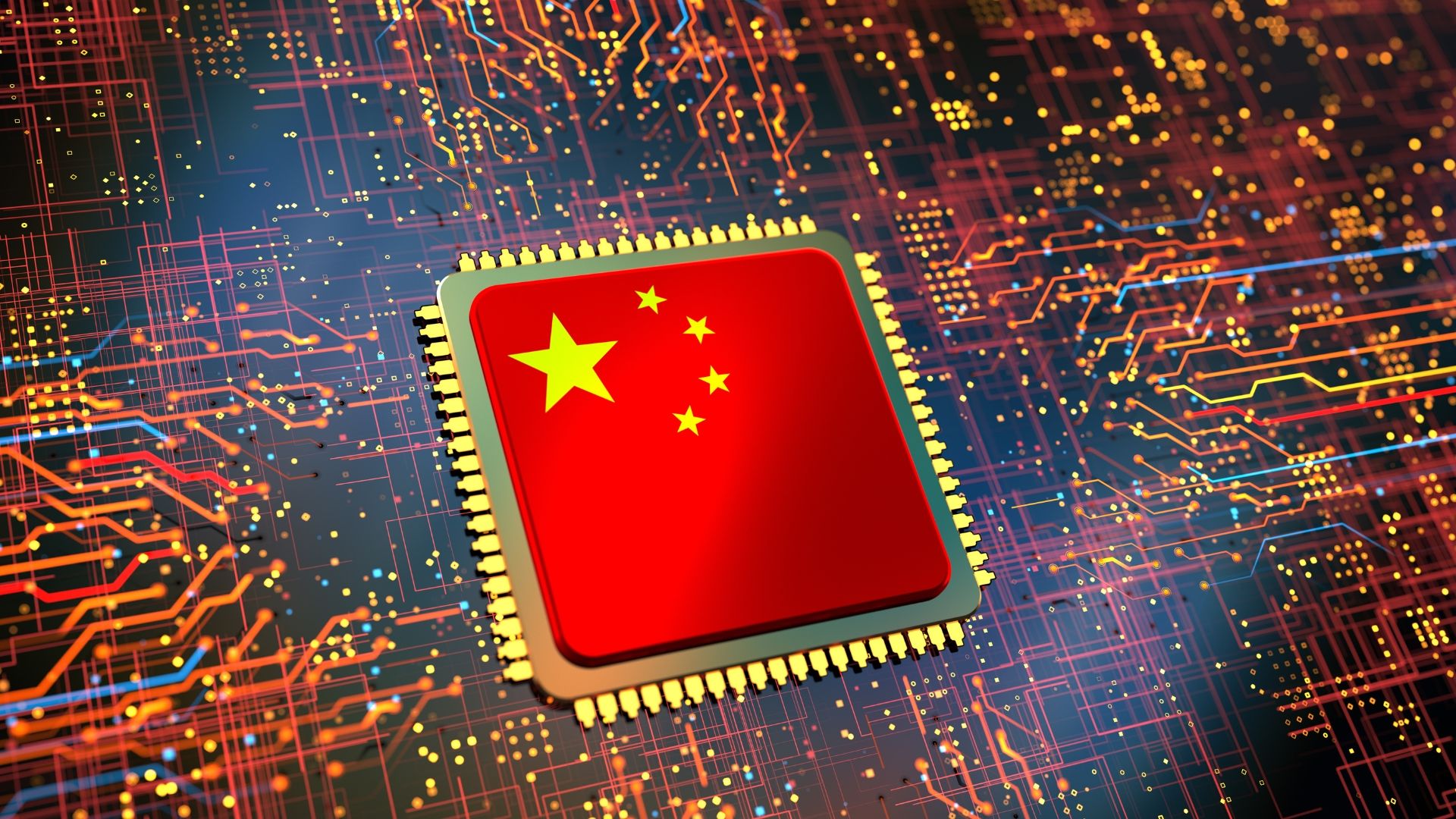
Chinese AI chips are chips made by Chinese companies to power artificial intelligence tasks. They matter now because demand for AI servers is rising fast in China. Local chip firms say sales could jump sharply as buyers look for options beyond Nvidia.
Key takeaways
- Chinese chip makers expect much higher sales as AI demand grows.
- Many Chinese tech firms want local options because Nvidia supply faces limits.
- AI servers need special chips to train and run chatbots, search tools, and apps.
- Big local players, including Huawei, are helping build a homegrown chip market.
Why are Chinese AI chips suddenly in focus?
The big reason is simple. China wants more homegrown computing power for AI, and it wants it fast. Nvidia still leads this market, but US export controls have made access harder for some advanced chips.
Export controls are rules that limit what companies can sell abroad. In this case, they affect top-end AI chips used in data centres. So Chinese buyers are looking harder at local products that can do at least part of the same job.
That shift is creating a real opening for Chinese AI chips. Several local companies now say orders are rising from internet firms, cloud groups, and server makers. Cloud groups are companies that rent computing power over the internet.
How big could the market for Chinese AI chips get?
The numbers are getting attention. According to the SCMP report, some Chinese Nvidia rivals are projecting sales in the billions of yuan. One company said revenue could reach 10 billion yuan, which is roughly $1.4 billion, within a few years.
Another firm expects a steep jump from current levels as more customers test and then buy local accelerators. Accelerators are special chips that speed up AI work. They are the engines inside many AI servers.
China’s AI server market is also growing fast. Research groups have estimated that AI server demand could rise by double digits as companies build more data centres. Data centres are large buildings full of computers that store and process information.
China AI chip demand: key driversLocal testsServer demandImport limits123HigherLower
Think of it like a school sports day. If the star runner cannot join every race, other runners get a real chance. That is what is happening with Chinese AI chips as supply gaps and policy pressure reshape the market.
Which companies are trying to challenge Nvidia?
Huawei is one of the biggest names in this race. Its Ascend chips have become a key local option for training AI models in China. Training means teaching an AI system by feeding it huge amounts of data.
Other Chinese chip designers are also pushing into the market, though many are smaller. They often work with server makers and software partners because a chip alone is not enough. Customers also need tools, code libraries, and support teams.
That ecosystem is a big part of the battle. Ecosystem means the full set of parts and partners around a product. Nvidia is strong not just because of hardware, but also because many developers already know its software.
China is trying to close that gap. That wider effort fits with moves we have already covered, like the push to support chip design startups and the bet on mature chip manufacturing in other markets. Different countries want more control over strategic chips.
Can Chinese AI chips really replace Nvidia?
Not fully, at least not yet. Nvidia still has the lead in top performance, software tools, and global market share. Many Chinese firms can replace some jobs, but not every job, and often not at the same speed.
That said, “good enough” can still win business. If a local chip handles many common AI tasks at a lower cost, some buyers will take it. They may also choose it because supply feels safer.
Here is the blunt answer: Chinese AI chips will not knock out Nvidia overnight, but they can win a bigger slice of China’s domestic market. That is especially true for inference workloads. Inference means using a trained AI model to answer questions or create results.
What are the biggest hurdles ahead?
The first hurdle is software. Developers need stable tools, and they do not like rebuilding systems from scratch. So local chip firms must make it easier to switch from Nvidia platforms.
The second hurdle is manufacturing. Advanced chips need top factories and packaging lines. Packaging is the step where chip parts are connected and prepared for use. It sounds boring, but it can decide performance.
The third hurdle is trust. Big companies want proof before they spend millions on servers. They run tests, compare power use, and watch for bugs. Bugs are errors in software or hardware that cause problems.
| Issue | Why it matters | Simple takeaway |
|---|---|---|
| Performance | Top AI training needs very fast chips | Nvidia still leads |
| Software | Developers need easy tools | Local firms must catch up |
| Supply | Export rules can limit imports | Local chips gain interest |
| Cost | Servers are expensive to build | Cheaper options may win |
Why does this matter beyond China?
This story is bigger than one country. AI has become a core technology race, much like smartphones and 5G before it. The winners can shape cloud services, defence tools, factory robots, and consumer apps.
It also matters for supply chains. Supply chain means the network that makes and moves products from factory to customer. If China builds stronger local alternatives, global chip competition could get much tougher.
Meanwhile, other countries are making their own strategic moves. For example, India is opening new areas like thorium to private firms and building industrial capacity such as heavy EV fast chargers. Governments want local strength in sectors they see as critical.
What should readers watch next?
Watch customer orders, not just bold promises. A forecast can sound exciting, but repeat buyers tell the real story. If cloud firms keep placing larger orders, that will be a strong sign.
Also watch software progress. If developers can move code more easily to Chinese AI chips, adoption may speed up. You should also watch whether export rules tighten or loosen, because policy can change demand very quickly.
For primary information, readers can track company statements and policy updates from sources such as Nvidia and China’s Ministry of Industry and Information Technology at MIIT. Those sources help show where the market is heading.
Right now, the clearest takeaway is this: Chinese AI chips are moving from backup plan to serious contender in China. They still trail Nvidia in key areas, but rising AI demand, local policy support, and supply pressure are giving them a real shot.
FAQs
What are Chinese AI chips?
Chinese AI chips are processors made by Chinese companies for artificial intelligence work. They help train AI models and run AI services in data centres.
Why are companies buying more Chinese AI chips?
They want more local supply, especially since some Nvidia chips face export limits. Some buyers also hope to cut costs and reduce risk.
How long will it take Chinese AI chips to catch Nvidia?
It could take years. Nvidia still leads in top performance and software, but local rivals may grow faster in China’s home market first.
Get the day’s top stories in your inbox
One concise email. No spam, unsubscribe anytime.