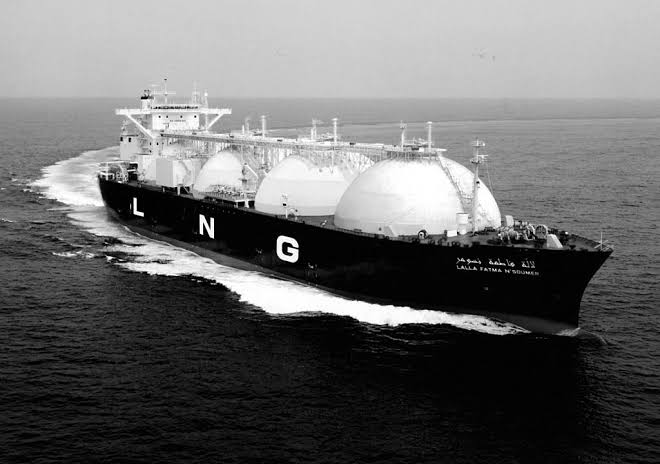
Asian spot liquefied natural gas (LNG) prices have climbed to their highest level since March, rising around 10% over the past week as renewed geopolitical tensions in the Middle East, concerns over shipping through the Strait of Hormuz, and stronger buying from Asian importers tightened the regional gas market. The benchmark price for LNG delivered to North Asia rose to about $18 per million British thermal units (mmBtu), reversing the declines seen after the brief easing of tensions earlier this year.
The sharp increase reflects fears that any disruption to LNG exports from Qatar—one of the world’s largest LNG suppliers—could significantly reduce global supply. At the same time, recovering demand from China and seasonal restocking ahead of winter have intensified competition for available cargoes, putting additional upward pressure on prices.
Asian LNG Prices Reach Four-Month High
The regional benchmark recorded its strongest weekly gain in months.
| Key Highlights | Details |
|---|---|
| Market | Asian spot LNG |
| Current price | Around $18/mmBtu |
| Weekly increase | About 10% |
| Highest level since | March 2026 |
| Key drivers | Middle East tensions, stronger Asian demand, supply concerns |
The price rally highlights renewed volatility in global gas markets.
Why LNG Prices Are Rising
Several factors have combined to tighten supply.
Key drivers include:
- Renewed geopolitical tensions in the Middle East.
- Shipping concerns around the Strait of Hormuz.
- Recovery in Chinese LNG imports.
- Increased seasonal purchasing ahead of winter.
- Competition between Asian and European buyers.
- Tight availability of spot cargoes.
These developments have pushed buyers to secure supplies despite higher prices.
China’s Demand Returns
China has emerged as one of the biggest contributors to the recent rebound.
| Indicator | Trend |
|---|---|
| Chinese LNG imports | Strong recovery |
| July imports | Six-month high |
| Regional demand | Increasing |
| Impact | Higher competition for cargoes |
Chinese buyers have returned to the spot market after reducing purchases earlier this year when prices were significantly higher.
Europe Faces Stronger Competition
The recovery in Asian demand is affecting global LNG trade flows.
Key developments include:
- More U.S. LNG cargoes heading to Asia.
- Lower LNG imports into Europe.
- Slower replenishment of European gas storage.
- Increased competition ahead of winter.
European utilities may have to pay higher prices if supply remains constrained.
Strait of Hormuz Remains a Key Risk
Around one-fifth of global LNG trade passes through the Strait of Hormuz.
Potential risks include:
- Shipping delays.
- Higher marine insurance costs.
- Reduced vessel traffic.
- Supply disruptions from Gulf exporters.
- Increased freight expenses.
Any prolonged disruption could tighten global LNG supplies further.
Impact on Asian Importers
Higher LNG prices could affect:
- Electricity generation costs.
- Industrial fuel expenses.
- Utility procurement costs.
- Inflation in energy-importing economies.
- Government fuel subsidy bills.
Countries heavily dependent on imported LNG, including Japan, South Korea, India, and Taiwan, are particularly exposed to sustained price increases.
Challenges Ahead
Several uncertainties continue to influence the market.
These include:
- Geopolitical developments in the Middle East.
- Winter weather conditions.
- LNG production from major exporters.
- Shipping availability.
- Competition between Europe and Asia.
Market participants expect prices to remain volatile until supply conditions improve.
Outlook
The latest surge in Asian LNG prices underscores how quickly geopolitical developments can reshape global energy markets. Renewed tensions around the Strait of Hormuz, combined with recovering Chinese demand and seasonal inventory building, have reversed the price declines seen after earlier diplomatic progress. As Asia and Europe compete for limited spot cargoes, LNG markets are likely to remain highly sensitive to supply disruptions and shipping risks.
If Middle East tensions ease and shipping routes remain open, prices could stabilize in the coming weeks. However, any prolonged disruption to Gulf exports or stronger-than-expected winter demand could keep LNG prices elevated, increasing energy costs for import-dependent economies across Asia and Europe.
What It Means for Global Energy Markets
The recent rally highlights the interconnected nature of global LNG trade, where regional demand shifts and geopolitical events can rapidly influence prices worldwide. For producers, higher prices may boost export revenues, while importers could face rising fuel costs and inflationary pressures.
For investors, the move reinforces the importance of monitoring geopolitical developments, shipping routes, and seasonal demand patterns, as these factors are expected to remain the primary drivers of LNG price volatility through the remainder of the year.
Get the day’s top stories in your inbox
One concise email. No spam, unsubscribe anytime.