The National Payments Corporation of India (NPCI) is actively testing a major structural update to the UPI ecosystem: a centralized, “all-in-one” subscription management interface.
The upcoming feature aims to dramatically streamline how consumers track, monitor, and organize recurring digital expenses—such as streaming services, newspaper subscriptions, gym memberships, and mutual fund SIPs—which are currently handled via individual UPI AutoPay e-mandates.
1. The Core Architecture: A Unified Hub
Currently, if you set up multiple automated subscriptions across different applications (like using PhonePe for an OTT sub, Google Pay for a utility bill, and Paytm for a news site), tracking them all requires jumping between distinct app menus.
NPCI’s new open Application Programming Interface (API) framework completely removes this fragmentation:
- Cross-App Visibility: Once rolled out, every major UPI Third-Party Payment App (TPAP) will feature a single dashboard showing a master list of all active e-mandates tied to your bank account, regardless of which app you originally used to set them up.
- The “Parent App” Redirection Guard: While you can view your entire subscription portfolio from any app dashboard, making actual structural changes follows a secure routing protocol. If you want to modify, pause, or cancel a recurring mandate, clicking that option will seamlessly redirect you to the original “parent app” through which the subscription was first authorized to confirm the action.
2. Solving the 70% Transaction Failure Headache
The decision to centralize e-mandate tracking comes amid an absolute explosion in automated UPI usage, paired with a massive backend processing problem.
[May 2023] ──► ~577 Million Cumulative Bank e-Mandates
[May 2026] ──► ~1.6 Billion Cumulative Bank e-Mandates (3x Growth)
While consumers have rapidly adopted automated payments over credit card mandates, transaction failure rates remain exceptionally high. NPCI data reveals that for major public institutions like the State Bank of India (SBI), up to 70% of automated subscription debits are currently declined, largely due to business-related friction points like insufficient account balances on the day of the deduction.
By putting a clean, scannable “all-in-one” list directly in front of users on their primary app home screens, NPCI expects consumers to have far greater visibility over upcoming deduction dates, allowing them to maintain adequate balances and significantly lower network failure spikes.
3. Part of an Broader 2026 Ecosystem Upgrade
This centralized subscription manager is part of a multi-pronged push by NPCI to expand utility as the baseline UPI ecosystem matures. It rolls out alongside two other flagship 2026 initiatives:
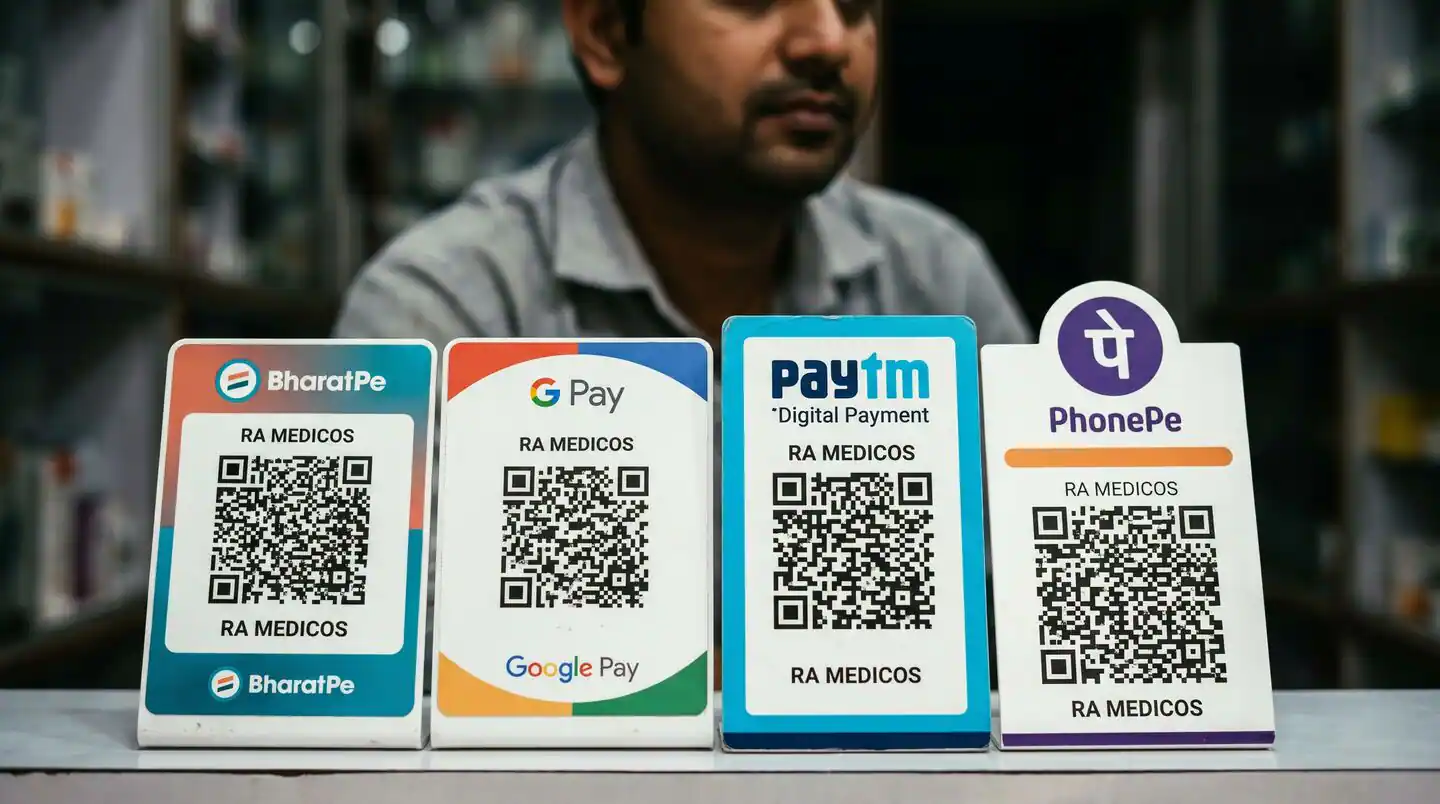
- Interoperable Soundboxes: NPCI is simultaneously testing a unified soundbox platform. This will allow neighborhood merchants to pull audio transaction alerts from all competing UPI networks (PhonePe, Paytm, BharatPe) through a single physical device, completely eliminating duplicate monthly rental and subscription hardware fees for small store owners.
- UPI Circle (Delegated Payments): A newly launched protocol allowing a primary bank account holder to extend authorized transaction limits (up to ₹5,000 per transaction or ₹15,000 monthly) to secondary users, such as children or elderly family members, without requiring them to link an independent bank account.
The subscription management feature is undergoing closed-loop testing with major digital payment providers and ecosystem partner banks, with a phased public rollout expected later this year.