Monsoon update is the latest weather report on how the rainy season is moving across India. This monsoon update says rain may reach several northern states in 5 to 6 days. The India Meteorological Department, or IMD, is India’s main weather agency. That matters because many farmers, cities, and families plan around these rains.
Key takeaways
- IMD says the monsoon may advance into parts of north India in the next 5 to 6 days.
- Heavy rain is already likely in parts of central, east, and northwest India.
- The monsoon line has moved forward after a brief pause, which is common in this season.
- Good timing matters for sowing, water storage, and heat relief in many states.
What does this monsoon update say?
The big message is simple. The monsoon is moving again, and north India may soon feel it. IMD said conditions look favourable for the southwest monsoon to advance into more parts of Rajasthan, Punjab, Haryana, Delhi, and western Uttar Pradesh over the next 5 to 6 days.
The southwest monsoon is the seasonal wind system that brings most of India’s rain. It usually starts over Kerala, then travels across the country in stages. Sometimes it moves fast. Sometimes it pauses for days, then pushes ahead again.
That pause happened this year too. But this monsoon update suggests the next push is close. For people in hot northern cities, that could mean cooler days. For farmers, it could mean the right time to prepare fields and begin sowing.
Why is the monsoon moving slowly in some places?
Monsoon progress depends on many weather signals. These include wind direction, moisture in the air, and low-pressure systems. A low-pressure system is an area where air pressure is lower than nearby places. It often pulls in moist air and helps clouds grow.
When those pieces line up, rain spreads faster. When they don’t, the monsoon can stall. That is not rare. In fact, monsoon movement often comes in bursts rather than one smooth march from south to north.
IMD’s latest maps show that rain-bearing winds are strengthening again. So the monsoon may now cover more ground. You can track official daily bulletins on the IMD website and larger rainfall maps on the monsoon announcement page.
Which areas are likely to get rain first?
According to this monsoon update, the next advance may cover several northern states. These include parts of Rajasthan, Punjab, Haryana, Delhi, Chandigarh, and western Uttar Pradesh. Some nearby areas may also see pre-monsoon showers before the full monsoon line arrives.
Pre-monsoon showers are early rains before the season fully sets in. They can cool the air, but they are not always steady. Full monsoon onset means the rain system has properly entered a region and meets weather rules set by IMD.
Central and eastern India are already seeing stronger activity. That includes parts of Madhya Pradesh, Chhattisgarh, Bihar, Jharkhand, Odisha, and eastern Uttar Pradesh. In some places, heavy to very heavy rain is possible, so local flooding risks can rise quickly.
Monsoon update: expected northward advanceNowCentral/East India active5 daysMore NW spread likely6 daysNorth states may join
Why does this matter for farmers and cities?
This monsoon update is not just about umbrellas. India gets about 70% of its annual rainfall during the monsoon months. That makes these rains vital for crops, reservoirs, and power generation.
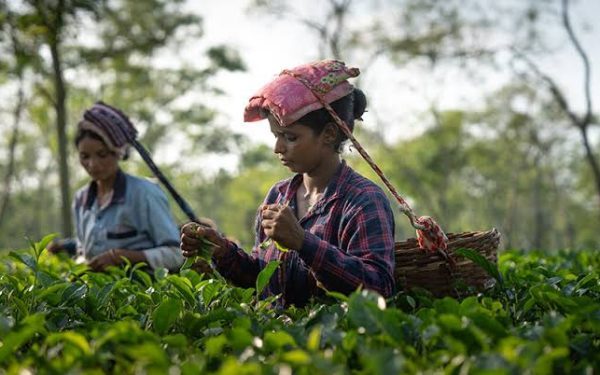
Farmers often wait for reliable rain before sowing kharif crops. Kharif crops are crops planted in the rainy season, like rice, maize, cotton, and soyabean. If rain comes on time, sowing can speed up. If it arrives late, farmers may delay or switch crop choices.
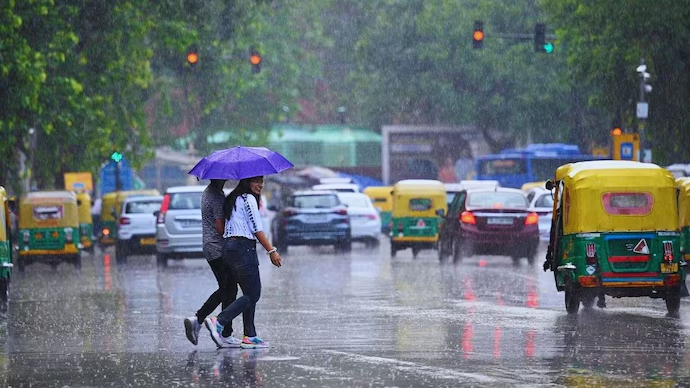
Cities also care a lot. Rain can cut extreme heat, but it can also flood roads and low areas. Delhi, for example, often sees traffic jams after a strong spell. So this monsoon update is good news for heat relief, but it also calls for caution.
What do the numbers tell us right now?
The clearest number in this monsoon update is the 5 to 6 day window for northern spread. That gives local officials and farmers a rough planning clock. It is not a promise for every district, but it is a useful guide.
India’s monsoon usually covers the whole country by around early to mid July, though the exact date changes. The season itself runs roughly from June to September. Those 4 months shape food output, water supply, and even inflation. Inflation means a broad rise in prices.
Here is a simple snapshot of what this means by region.
| Region | Status now | What may happen next |
|---|---|---|
| Central India | Active rain in many areas | More heavy showers in places |
| East India | Strong monsoon conditions | Continued widespread rainfall |
| Northwest India | Waiting for wider advance | Rain may spread in 5-6 days |
| Delhi and nearby | Hot, humid, patchy showers | Better chance of monsoon rain soon |
How does this compare with other recent India stories?
Weather and the economy are closely linked. Good rain can support farm output, which can ease pressure on food prices. That is one reason monsoon news often matters beyond villages and farms.
If you want the money side explained simply, our piece on how EPFO decides your PF interest rate shows how economic systems affect everyday life. And our report on India becoming the world’s No. 2 solar market explains another big part of India’s climate and energy story.
For manufacturing readers, our coverage of DCM Shriram’s Jhagadia plant joining the WEF lighthouse network shows how industry is also changing. Meanwhile, our report on PM MITRA textile parks bids looks at how infrastructure plans can shape jobs and growth.
What should people do now?
If you live in a likely rain zone, keep an eye on local alerts. A state forecast is broad, but rain often hits one district harder than the next. That is why city warnings matter just as much as national ones.
Farmers may use this monsoon update to get seed, labour, and field work ready. But many will still wait for one or two steady spells before sowing. That is a practical choice, because one quick shower is not enough for every crop.
Here is the core answer in one line:
IMD’s latest monsoon update says the rainy season is likely to reach several northern states in 5 to 6 days, bringing heat relief and helping farm planning, while also raising the risk of local flooding.
FAQs
What is a monsoon update?
A monsoon update is a fresh report on where the rainy season has reached and where it may go next. IMD issues these updates based on weather data.
When will Delhi get monsoon rain?
This monsoon update says conditions may allow rain to reach Delhi and nearby areas in about 5 to 6 days. Exact timing can still shift by a day or two.
Why do farmers care so much about the monsoon?
Many crops depend on monsoon rain, especially in the kharif season. Good timing helps sowing, plant growth, and water storage for later months.