Key takeaways
- Kalshi World Cup trading surged during the FIFA tournament, helping the platform add about 3 million users.
- Kalshi lets people buy event contracts. These are yes-or-no bets on what will happen.
- The boom shows sports fans are trying prediction markets, not just regular betting apps.
- Regulators still matter here, because event contracts sit in a legal gray zone in many places.
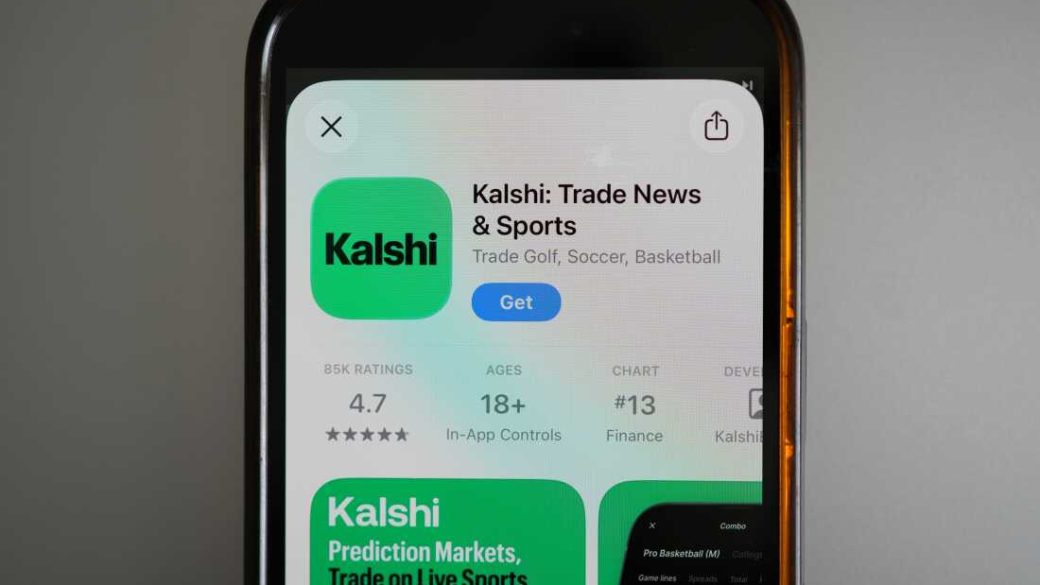
Kalshi World Cup trading is the rush of buying and selling contracts tied to World Cup results. A contract is a simple deal that pays if something happens. During the FIFA event, Kalshi World Cup trading spiked, and the platform said it added about 3 million users.
That is a huge jump. It suggests a lot of fans wanted more than just watching matches. They also wanted a fast, money-on-the-line way to guess outcomes, from winners to game moments.
Kalshi is a prediction market. That means people trade on future events. Instead of buying shares in a company, they buy contracts on questions like who will win a match. If the answer is right, the contract pays out. If not, it does not.
The company’s World Cup burst matters because it shows how finance tools and sports betting are starting to blend. Fans may not care about that line, but regulators do. Regulators are the agencies that make and enforce market rules.
Why did Kalshi World Cup trading grow so fast?
The simple answer is attention. The World Cup is one of the biggest sports events on Earth, so millions of people follow it at once. Big events create lots of short, clear questions, and that is perfect for a prediction market.
Kalshi also had a product that was easy to grasp. A user could look at a question, check the price, and decide quickly. For many people, that feels easier than reading betting odds packed with special terms.
Numbers help tell the story. The platform added roughly 3 million users during the event. That kind of gain can change a company’s scale almost overnight.
It also means more trading activity. More users usually bring more liquidity. Liquidity means how easily people can buy or sell without causing a big price swing.
Kalshi World Cup trading: key numbersUsers added3MRecord tradingPeak
Sports also bring repeat action. A league runs for months, but a World Cup packs drama into a few weeks. As a result, people return again and again for each match, which can lift volumes very fast.
What is Kalshi, and how is it different from betting?
Kalshi runs a regulated exchange in the United States. An exchange is a marketplace where buyers and sellers meet. In regular betting, you often bet against a sportsbook. On an exchange, users often trade with each other.
That difference sounds small, but it matters. Prices can move up and down during the day, so users may buy low and sell higher later. That feels more like trading than placing one bet and waiting.
Kalshi says its contracts can help show what crowds think will happen. Some people use them for fun. Others see them as a tool to measure public expectations in politics, weather, and now sports.
Still, the overlap with gambling is obvious. You put money on an uncertain outcome. That is why Kalshi and similar firms face close legal attention.
How big was the World Cup boost in numbers?
The standout number is 3 million new users. For a niche platform, that is massive. It suggests the World Cup gave Kalshi a mainstream moment, not just a small bump.
We do not need many figures to see the scale. One global tournament helped drive record trading. And one user gain number, 3,000,000, tells you how strong the pull was.
| Metric | What happened | Why it matters |
|---|---|---|
| New users | About 3 million added | Shows broad new interest |
| Trading activity | Record levels during World Cup | More money and more attention |
| Event type | Global football tournament | Huge audience drives participation |
That kind of surge can help a platform in two ways. First, it brings fees and volume right away. Second, it gives Kalshi a chance to keep those users for future events.
Retention is the real test. Retention means how many users come back later. If fans stay after the World Cup, Kalshi gains a stronger base for elections, markets, and other sports.
Why does Kalshi World Cup trading matter beyond football?
Because this is not just a sports story. It is also a story about how people use markets to express opinions. A prediction market turns a guess into a price, and that price updates in real time.
That can make forecasts feel more alive than polls or expert picks. For example, if a team suffers an injury, prices may move within seconds. A poll cannot do that.
There is a wider business lesson too. Big consumer moments can pull niche finance apps into the spotlight. We have seen similar jumps in other sectors when a simple product meets a huge audience.
For more on how consumer behavior can rapidly reshape a market, see our story on quick commerce food retail in India. For another example of user demand changing a sector, read our report on Akasa Air’s next growth step.
What legal and business risks could come next?
Growth is exciting, but rules can slow it down. Prediction markets often face questions about what counts as finance and what counts as gambling. Those lines are not always clear.
In the US, Kalshi has drawn attention from regulators before. You can read more from the company at Kalshi’s official site and from the federal regulator at the US Commodity Futures Trading Commission.
If regulators tighten rules, some popular contracts could face limits. If rules stay open, more platforms may rush in. That would bring more competition, but also more public awareness.
Kalshi also needs to keep new users engaged safely. Fast trading can be exciting, so platforms must explain risks clearly. Losing contracts are easy to understand only after you lose money.
This story also fits a bigger pattern. Digital platforms are turning complex systems into simple taps on a phone. We have seen that with AI tools too, like in our coverage of Alibaba’s Qwen 3.8 model.
What should readers watch next?
Watch whether Kalshi can hold onto users after the World Cup buzz fades. A one-event spike is nice, but a lasting habit is better. The next major sports tournament will be an early test.
Also watch what products become most popular. If users stick to sports, Kalshi may lean harder into entertainment. If they branch into politics or economics, the platform could become more like a public forecasting tool.
Here is the clearest takeaway:
Kalshi World Cup trading shows that millions of sports fans are willing to use prediction markets when the event is simple, global, and easy to follow.
That matters because it could shape the next wave of online trading apps. Not every user wants stock charts. Some just want a clear question, a live price, and a shot at being right.
FAQs
What is Kalshi World Cup trading?
Kalshi World Cup trading is buying and selling contracts tied to World Cup outcomes. If your contract’s result happens, it pays.
Why did Kalshi add 3 million users?
The World Cup drew giant global attention, so many fans tried the platform during the tournament.
How is Kalshi different from a normal betting app?
Kalshi works more like a market exchange, where prices move and users can trade positions before an event ends.
Who regulates Kalshi?
In the United States, Kalshi operates under oversight linked to the CFTC, a federal markets regulator.
Get the day’s top stories in your inbox
One concise email. No spam, unsubscribe anytime.