India EU FTA push is the latest move to speed up a big trade deal between India and the European Union. An FTA is a free trade agreement. That means two sides cut trade barriers, like import taxes, so goods and services can move more easily.
Key takeaways
- Commerce Minister Piyush Goyal ended his Europe trip by asking for quicker action on the India-EU trade deal.
- The India EU FTA push matters because the EU is one of India’s biggest trading partners.
- A faster deal could help sectors like textiles, engineering goods, pharma, and services.
- Talks are still complex, so issues like tariffs, rules, and market access need hard bargaining.
What happened in the India EU FTA push?
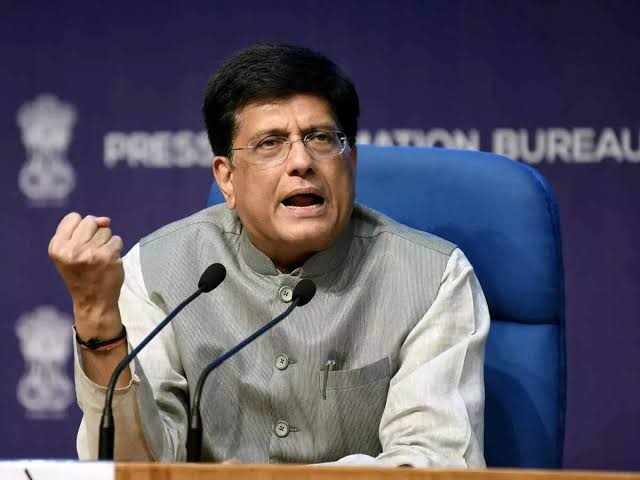
India’s commerce minister Piyush Goyal wrapped up a Europe visit with a clear message. He wants early implementation of parts of the India-EU free trade agreement, while the wider deal is still being negotiated.
That matters because trade talks often take years. So if both sides agree on easier steps first, some business gains could come sooner. Goyal’s message was simple: don’t wait for every last page to be settled if practical steps can start earlier.
According to official updates from India’s commerce ministry, Goyal met business leaders and government officials during the trip. He pushed for stronger trade links with Europe and argued that faster progress would help both sides.
In plain words, India wants Europe to move with more urgency. Europe is a group of 27 countries in the EU. Together, it is a giant market with about 450 million people.
Why does the India EU FTA push matter so much?
The EU is one of India’s top trade partners. That means Europe buys many Indian goods and also sells many products into India. When trade barriers fall, companies can often sell more at lower cost.
Tariffs are taxes on imported goods. Lower tariffs can make Indian products cheaper in Europe and European products cheaper in India. That can help exporters, but it can also raise competition at home.
India and the EU have been trying to rebuild trade ties after earlier talks stalled. Stalled means they slowed down and stopped moving. The talks restarted in 2022, and both sides have since held several negotiation rounds.
Here is the big idea in one line: the India EU FTA push is about getting the benefits of a trade deal earlier, not just talking about them for years.
Which sectors could gain first?
If a deal moves faster, some Indian industries could see quick gains. Textiles, garments, auto parts, chemicals, gems and jewellery, and engineering goods are often named as likely winners. Services could also benefit. Services means work sold across borders, like IT, finance, or design.
Pharma may also gain, because Indian drugmakers want easier access to Europe. Pharma is short for pharmaceuticals, or medicines. India already ships medicines around the world, so even small rule changes can matter.
Europe, meanwhile, wants better access in areas such as cars, wines, spirits, and some industrial goods. That’s where talks get tricky. Each side wants more openings for its own businesses, but also wants to protect sensitive sectors.
| Area | What India wants | What the EU wants |
|---|---|---|
| Goods trade | Lower tariffs for exports like textiles and engineering goods | Lower barriers for cars, industrial products, wines and spirits |
| Services | Easier movement for skilled workers and firms | More access for European service providers |
| Rules | Simpler standards and customs processes | Stronger protections and clearer compliance rules |
How big is India-EU trade right now?
The trade relationship is already huge. India’s government has said the EU is among India’s largest trading partners. Total goods trade has been around 120 billion euros in recent years, though it shifts with demand and prices.
One euro is a European currency unit. At roughly 120 billion euros, that trade flow equals more than Rs 10 lakh crore at broad recent exchange rates. That gives you a sense of size.
There are also investment links. Investment means putting money into businesses or projects. The EU is one of the largest sources of foreign investment into India, which can help build factories, offices, and jobs.
India-EU trade scaleGoods tradeEU states~€120bn27
The chart above shows two simple facts. Goods trade is about 120 billion euros, and the EU has 27 member countries. So even modest progress can affect a very large market.
What are the hard parts still blocking a full deal?
Trade deals sound simple, but they rarely are. Both sides argue over tariffs, product standards, data rules, government buying, and worker movement. Standards are product rules, like safety or quality checks.
India also wants easier visa pathways for skilled professionals. A visa is official permission to enter or work in a country. Europe often focuses more on product rules, legal protections, and market access for its companies.
Another difficult area is carbon rules. Carbon rules can add costs based on pollution. That matters for exporters in steel, aluminium, and other industries.
If you’ve followed our coverage of aluminium duty structure pressure on Indian processors, you already know trade rules can reshape whole industries. The same is true here, but on a much bigger scale.
Could early steps happen before the full trade pact?
That is the heart of the India EU FTA push. India appears to be asking whether parts of the agreement can move ahead earlier. For example, customs cooperation, some standards work, or selected market access steps might be easier to fast-track.
Fast-track means move more quickly through the process. But early implementation only works if both sides agree on what can be separated from the full package. Some negotiators prefer one final deal, because it gives them more bargaining power.
Still, governments sometimes use phased deals. Phased means done in steps. That can help businesses plan ahead and start investing sooner.
The clearest takeaway is this: India wants the EU trade deal to produce real business gains sooner, even if the full agreement still takes time to finish.
What does this mean for India’s economy and jobs?
If talks move faster, exporters could gain a wider market. That may help factories, logistics firms, ports, and service companies. Logistics means moving goods from one place to another.
More exports can support jobs, especially in labour-heavy sectors like clothing and footwear. Labour-heavy means industries that need lots of workers. But the upside depends on final terms, not just good headlines.
There is also a strategic angle. Strategic means tied to long-term goals. India wants deeper links with major economies as supply chains shift, and Europe wants trusted partners beyond China.
You can see that same global reshaping in our reports on the India textile sector and the China+1 shift and on container traffic growth at Indian ports. Trade deals matter because they connect directly to where goods get made and shipped.
Where can readers track the official process?
For primary information, readers can check India’s Ministry of Commerce and Industry. The European side also posts trade policy updates on the European Commission trade portal.
These sources won’t always be quick or simple. But they are the most direct places to confirm what has actually been agreed, and what is still under discussion.
FAQs
What is an India-EU FTA?
It is a free trade agreement between India and the European Union. It aims to lower trade barriers and make business easier.
Why is the India EU FTA push happening now?
India wants faster gains from trade talks with Europe. Global supply chains are shifting, so both sides have reasons to move.
How soon could people see results?
Some limited steps could come earlier if both sides agree. But a full trade deal usually takes longer, because many hard issues remain.
Get the day’s top stories in your inbox
One concise email. No spam, unsubscribe anytime.