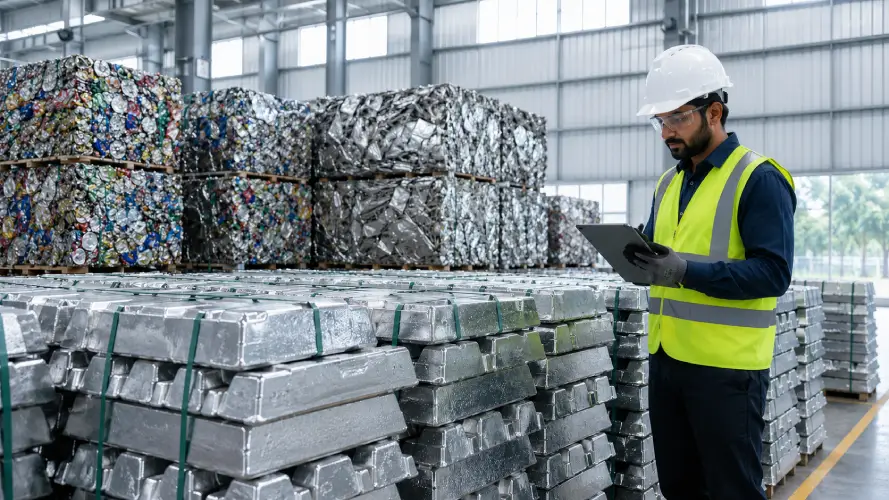
Aluminium duty structure is the tax setup on aluminium imports and related products. In India, many smaller metal processors say the aluminium duty structure now makes their raw material cost more than it should. So they want the government to change it fast. They argue this could help exports, jobs, and local factories.
Key takeaways
- India’s downstream aluminium makers say import taxes on key inputs are too high.
- They argue the current aluminium duty structure makes Indian products less competitive abroad.
- Industry groups want lower duties on raw aluminium, scraps, and some intermediate products.
- The fight matters because downstream units make items like foils, wires, auto parts, and packaging.
- If costs stay high, smaller factories say exports and jobs could take a hit.
Why are companies upset about the aluminium duty structure?
Downstream aluminium companies turn metal into useful things. They make foil, cables, tubes, sheets, kitchen items, car parts, and parts for power lines. But many of these firms say they are paying too much for inputs because of the aluminium duty structure.
A duty is a tax on imports. That means companies pay extra when they bring material from abroad. Industry groups say this pushes up costs for smaller processors, while bigger primary producers often have stronger pricing power. Pricing power means a seller can keep prices high because buyers have few choices.
The complaint is simple. If raw material gets taxed more than finished goods, local manufacturers lose an edge. Then imported finished products can look cheaper, even though India has its own factories and workers ready to make them.
What does the downstream aluminium industry want?
The industry wants the Centre to review the aluminium duty structure and trim taxes on key inputs. These include primary metal, scrap, and some semi-finished forms. Scrap is old metal that gets melted and reused.
Companies say lower input duties would help thousands of small and medium units. Small and medium units are businesses that are not giant corporations. They also say a fairer tax setup could boost exports because Indian goods would cost less in global markets.
Some industry voices have argued that India should tax value-added imports more, not raw materials more. Value-added goods are items that have already been processed into finished or near-finished products. That way, local factories would get a real chance to do the processing work inside India.
How big is the downstream aluminium business?
It is much bigger than many people think. The downstream side uses aluminium to make everyday and industrial goods. That includes power cables, food packaging, train parts, building panels, and auto components.
India is one of the world’s major aluminium producers, so raw metal is not the whole story. The real value often comes later, when factories shape the metal into finished goods. In fact, one tonne of aluminium can end up in dozens of products, from foil rolls to bus panels.
Industry groups say the downstream segment supports a large number of jobs. Many of those jobs sit in small factories, not giant plants. So a change in the aluminium duty structure can affect workers far beyond the mining and smelting business.
Where more value is createdRaw metalSemi-finishedFinished goods1x1.7×2.5x
The chart above is not a market price chart. It shows a basic idea. As aluminium moves from raw metal to finished goods, the value created usually rises. That is why downstream companies say policy should help processing, not make it harder.
What is the main policy problem?
The core issue is called an inverted duty structure. That means taxes on inputs are higher than taxes on finished products. It sounds backwards because it is.
Here is a simple example. Imagine a factory imports raw aluminium and pays 7.5% duty. Then a finished imported item faces the same or even lower effective burden. The local factory has to pay workers, power bills, transport, and finance costs too, so it can fall behind.
That is why industry bodies are asking for relief. Relief here means lower taxes or a clearer tax setup. They say the current aluminium duty structure hurts India’s manufacturing push instead of helping it.
What do the numbers suggest?
Several figures help explain the debate. Import duty on some aluminium products has been around 7.5% in recent policy periods. At the same time, many downstream units work on thin margins of just 3% to 8%, so even a small cost jump can hurt.
India’s aluminium sector also matters to trade. A 1% to 2% cost disadvantage can decide whether an export order stays in India or moves elsewhere. For a small unit shipping 1,000 tonnes a year, that can mean a difference of lakhs of rupees.
| Issue | What firms say | Why it matters |
|---|---|---|
| Input duties | Too high on raw metal and scrap | Raises factory costs |
| Finished imports | Can stay competitive | Local value addition suffers |
| Export margins | Often thin, around 3%-8% | Small tax changes matter |
| Jobs | Many are in smaller units | Pressure can hit hiring |
That is the heart of the industry’s case. They are not only asking for cheaper imports. They are asking for a tax design that rewards making things in India.
Why does this matter beyond metal companies?
Because aluminium is everywhere. It sits in power lines, food packs, electric vehicles, trains, buildings, and machines. If local processors struggle, other sectors can feel the pain too.
For example, higher input costs can feed into packaging and transport equipment. That may raise costs for other businesses down the line. Meanwhile, weaker downstream growth can slow India’s goal of becoming a bigger manufacturing base.
This debate also links to bigger supply-chain questions. India wants to move up the value chain, just as it is trying to do in areas like semiconductors and advanced manufacturing. You can see a similar push in our coverage of 3D optical chip breakthrough cuts production to seconds and AlphaChip chip design: How Google speeds up chips.
What could the government do next?
The government could review customs duties in the next policy cycle or budget exercise. Customs duty is the tax paid on goods brought into the country. It could lower duties on raw inputs, keep some protection on finished imports, or create targeted relief for smaller units.
Officials may also weigh the needs of primary aluminium producers. Primary producers are firms that make aluminium from ore or smelting. So any final change will likely try to balance miners, smelters, recyclers, and processors.
For readers, the key point is clear and quotable: the aluminium duty structure decides whether Indian factories pay more for raw material than importers pay for finished goods, and that can make or break local manufacturing competitiveness.
If India wants more processing jobs at home, tax design matters. We have seen similar policy effects in other sectors too, from Gold recycling in India is growing, but slowly to trade-rule changes like India Tightens Tax Treaty with Sri Lanka by Adding Anti-Abuse Rule.
For primary details on tariff policy and trade data, readers can track updates from the Central Board of Indirect Taxes and Customs and the Directorate General of Commercial Intelligence and Statistics.
FAQs
What is aluminium duty structure?
It is the set of import taxes on aluminium raw materials, semi-finished goods, and finished products. Those tax rates shape how costly it is to make things in India.
Why do downstream companies want changes?
They say high taxes on inputs raise their costs. So they struggle to compete with cheaper imported finished goods and with exporters in other countries.
Who is affected by the aluminium duty structure?
Small factories, exporters, workers, and buyers in sectors like packaging, power, autos, and construction can all be affected. That is why this policy fight matters beyond the metal trade.
How could a policy change help?
Lower input duties could reduce factory costs and support exports. It could also help India keep more value-added production, which means more processing work, at home.
Get the day’s top stories in your inbox
One concise email. No spam, unsubscribe anytime.