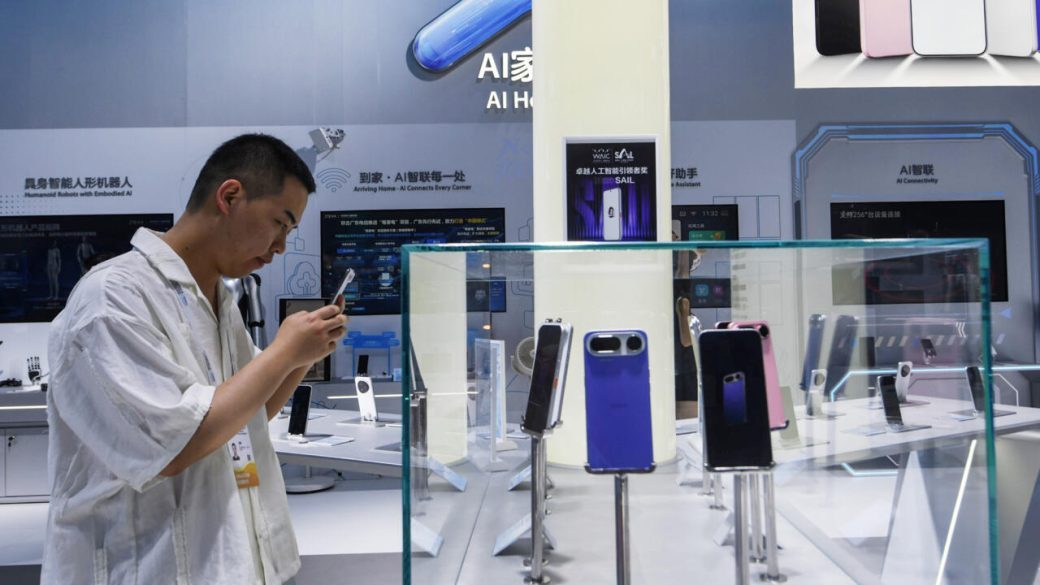
Pocket AI phones were the big draw at a China tech show, where brands showed off handsets that can do more AI work right on the device. Pocket AI phones means smartphones with built-in artificial intelligence, or computer systems that help the phone think, sort, and create. That matters because it can make tasks faster, more private, and easier to use.
Key takeaways
- Chinese phone brands used the show to push pocket AI phones as the next big upgrade.
- Many new features work on the phone itself, so users may get faster results.
- On-device AI can help with photos, voice, search, and writing tools.
- Big chip makers and software firms are racing to power this new phone battle.
Why were pocket AI phones the stars of the show?
At the China event, phone makers did not just talk about better cameras. They talked about AI in almost every demo. Brands showed phones that can summarize meetings, translate speech, edit photos, and answer questions with less delay.
That shift is important because the smartphone market has felt dull for a while. Many people already own decent phones, so brands need a fresh reason to make them upgrade. Pocket AI phones give them that story.
Trade shows are where companies try to set the mood for the next year. This time, the mood was clear. AI is no longer a side feature. It is now the main sales pitch.
What can pocket AI phones actually do?
Some of these tools sound fancy, but the idea is simple. Your phone listens, sees, reads, and helps you finish tasks. For example, it can clean up a blurry photo, rewrite a message, or turn a long voice note into short bullet points.
Several brands also pushed live translation. Translation means changing one language into another. That could help a traveler speak to a taxi driver or read a restaurant menu in seconds.
Another big feature is image editing. Users can remove objects from photos, widen the background, or improve night shots. Some phones can also search inside your own files, so you can ask, “Find that note about train tickets,” and get it quickly.
These tools depend on AI models. A model is a trained computer system that spots patterns and gives answers. Some models now run partly on the phone, not only in remote data centers.
Why does on-device AI matter so much?
On-device AI means the phone handles more work by itself. That can cut wait time because your request does not always need to travel to the cloud. The cloud means internet servers in faraway data centers.
It can also help privacy. If your voice clip or photo stays on your handset, fewer things need to be sent out. That does not make everything risk-free, but it can lower exposure.
Battery life and heat still matter, though. AI tasks need strong chips, and strong chips use power. So brands now talk as much about processors as they do about screen size.
One reason this race is heating up is the global AI boom. We have seen the same push in software and chips, too. For example, DeepSeek’s new API pricing system shows how fast AI tools are changing, while Google’s AlphaChip work shows why better chip design matters.
Who is driving the pocket AI phones race in China?
Chinese brands such as Honor, Oppo, Vivo, Xiaomi, and Huawei have all been pushing AI features harder. They want to stand out in a crowded market. Apple and Samsung are also in the same race, but local brands often move very fast in China.
China is a huge phone market, so what happens there often spreads outward. According to IDC, global smartphone shipments reached 1.24 billion units in 2024. Even a small change in buying trends can affect millions of devices.
China shipped about 271.4 million smartphones in 2024, according to IDC data. That is a giant base for testing new habits. If buyers there respond well to pocket AI phones, other markets may follow quickly.
Counterpoint Research has also said GenAI smartphone shipments could rise sharply over the next few years. GenAI means generative AI, which creates text, images, or other content. Some forecasts expect hundreds of millions of AI-capable phones to ship globally by 2027.
Key numbers behind the AI phone pushChina 2024271.4mIndia 2024151mGlobal 20241.24bn
India is another market to watch. IDC estimated India smartphone shipments at about 151 million units in 2024. That is why every major brand wants AI features that feel useful, not just flashy.
Are these features really useful, or just marketing?
Some of it is real help. A student might use AI to summarize class audio. A shop owner might translate chats from buyers. A parent might use voice tools while cooking or driving.
But some features may feel like show tricks. If a tool is slow, wrong, or hard to find, people stop using it. We saw this before with curved screens and 3D TV. Cool demos do not always become daily habits.
That is the key test for pocket AI phones. Can they save time every day? If the answer is yes, buyers may care. If not, the hype will fade.
Pocket AI phones matter only if they solve small, real problems fast. A phone that rewrites a text, finds a file, or translates speech in seconds gives users a clear reason to upgrade.
What does this mean for buyers outside China?
It means many of these features will likely spread to phones sold in India, Europe, and the US. Brands often test ideas in one market, then expand them. So the China show was not just local news. It was a preview.
Buyers should watch three things. First, does the AI work offline or mostly online? Second, how many years of software updates will the phone get? Third, does the chip handle AI well without hurting battery life?
Price will matter, too. Premium phones may get the best AI first, but cheaper models often catch up. We have seen that pattern in fast charging, high-refresh screens, and better cameras.
The bigger trend is simple. Phones are becoming more like personal assistants, not just apps on a screen. That could change how people search, write, shop, and take photos. It may even shape how brands compete with cars and other smart devices, much like our report on Tesla’s early India sales showed how tech products need local fit.
Key figures on pocket AI phones
| Metric | Figure | Why it matters |
|---|---|---|
| Global smartphone shipments, 2024 | 1.24 billion | Shows the huge market size for AI upgrades |
| China smartphone shipments, 2024 | 271.4 million | China is big enough to shape global trends |
| India smartphone shipments, 2024 | About 151 million | Brands will bring AI features to India fast |
For primary data on smartphone shipments, readers can check IDC and market commentary from Counterpoint Research. These firms track device sales and tech trends around the world.
What should you watch next?
Watch for software updates, not just new hardware. Some brands may add AI tools to older phones, while others may keep them for newer models. That choice will affect millions of users.
Also watch chip announcements. The fastest AI features need better processors, and that race is getting fierce. In fact, the same pressure is pushing new experiments across tech, from chip design to advanced mobile software.
For now, the message from China is loud and clear. Pocket AI phones are no longer a side act. They are becoming the center of the smartphone fight.
FAQs
What are pocket AI phones?
Pocket AI phones are smartphones with built-in AI tools. They can help with writing, photos, translation, search, and voice tasks.
Why do companies want to sell pocket AI phones?
They want people to upgrade. AI gives brands a new reason to stand out because regular phone improvements now feel smaller.
How is on-device AI different from cloud AI?
On-device AI runs more tasks on the phone itself. Cloud AI sends work to internet servers, so it may be slower and share more data outside your device.
Get the day’s top stories in your inbox
One concise email. No spam, unsubscribe anytime.