Key takeaways
- India has changed battery PLI norms to make the scheme easier to join.
- The government cut subsidy rates, but also relaxed some tough entry rules.
- The aim is to bring in more companies to build battery cells in India.
- These batteries matter for electric vehicles, clean power, and grid storage.
Battery PLI norms are the rules for India’s incentive plan for advanced battery factories. A PLI scheme means the government pays firms for making goods in India. Now the Centre has loosened some rules, while lowering subsidy rates, so more storage players may join.
Why did the government change battery PLI norms?
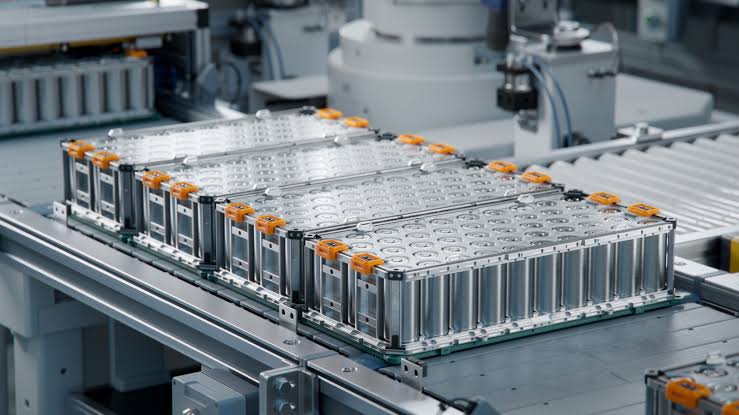
The government wants more companies to make battery cells in India. Battery cells are the small units inside a battery pack. They are the most valuable part, and India still imports a lot of them.
Officials appear to believe the old terms were too hard for many bidders. So they changed the battery PLI norms to widen interest. The basic trade-off is simple: easier rules, but lower support per unit.
This matters because India needs large battery plants for two fast-growing areas. One is electric vehicles. The other is energy storage for the power grid, which helps save solar and wind power for later use.
A grid is the network that moves electricity to homes and factories. Energy storage means saving power now and using it later. For example, it can store solar power from noon and send it out after sunset.
What exactly changed in battery PLI norms?
The broad change is that New Delhi eased eligibility and performance conditions. Eligibility means who can apply. Performance conditions are the targets companies must hit to get paid.
At the same time, subsidy support was lowered from earlier levels, according to the report. A subsidy is government money that reduces a company’s cost. So firms may face less pressure at the start, but they will also get less cash help later.
The policy covers ACC batteries. ACC stands for advanced chemistry cell. That means newer battery types with better energy storage, longer life, or faster charging than older designs.
The idea is to make the scheme feel more practical. India has big battery demand ahead, but investors often worry about technology risk, raw material swings, and high upfront costs. Upfront cost means the large money needed before a factory starts earning.
Battery PLI changes at a glanceRule easeSubsidy rateHigherLowerVisual summary, not to scale
How big is India’s battery push?
India’s battery push is not small. The country has already backed a 50 GWh ACC battery PLI programme. GWh means gigawatt-hour, a unit of stored electricity. One gigawatt-hour can power a lot of devices, factories, or vehicles, depending on use.
The original outlay for the ACC PLI scheme was about ₹18,100 crore. An outlay is the money set aside for a plan. That is a huge sum, because the government wants local battery making to become a real industry, not just a pilot.
Battery demand could rise sharply over the next decade. EV sales are growing, while renewable power is also expanding. As a result, India needs more local supply if it wants lower imports and better energy security.
Energy security means having reliable access to fuel and power. If more cells are made at home, India may be less exposed to global shocks. That could help if shipping costs jump or if supply chains get blocked.
Will easier battery PLI norms bring in more companies?
They might, and that is clearly the bet. Some companies may accept lower subsidies if the entry path is less rigid. Investors often prefer a plan they can actually qualify for, instead of a richer plan with hard rules.
There is also a timing issue. Battery technology keeps changing fast, so firms do not want rules that lock them into one path too early. By easing battery PLI norms, the government may be trying to match real market conditions better.
Still, lower subsidies could make some projects less attractive. A battery plant can cost thousands of crores. If support falls too much, smaller or newer players may still stay away.
That means the success of battery PLI norms will depend on balance. The rules must be easy enough to attract bids, but strict enough to make sure real factories get built. That is the hard part of industrial policy.
Industrial policy means government plans to build local industries. It can include subsidies, tax breaks, or import rules. India has used it in electronics, chips, solar, and now batteries.
What does this mean for EVs and clean power?
If the new battery PLI norms work, India could get more local battery output over time. That can help EV makers source parts closer to home. It may also support big storage systems that steady the power grid.
Local supply does not mean instant cheap batteries. Prices depend on lithium, nickel, technology, and scale. Scale means making a lot of units, which usually cuts the cost of each one.
But local production can still help in other ways. It can reduce shipping risk, create factory jobs, and build engineering skills. Meanwhile, it may support related sectors like auto parts, charging gear, and power equipment.
India is already pushing wider clean-tech manufacturing. For example, it has also sharpened its electronics value addition plan. In transport, airlines are expanding too, as seen in Air India’s fleet growth plan, though that is a different industry.
Key numbers behind the battery PLI norms
Here are the main figures readers should keep in mind. The ACC programme size is 50 GWh. The total government outlay is about ₹18,100 crore. And the latest tweak lowers subsidy rates while making participation easier.
| Item | Figure | Why it matters |
|---|---|---|
| ACC PLI capacity target | 50 GWh | Shows the planned scale of battery making |
| Scheme outlay | ₹18,100 crore | Shows how much support was set aside |
| Policy direction | Easier rules, lower subsidy | Explains the new trade-off for investors |
For the official policy background, readers can check the Ministry of Heavy Industries and the PLI information on heavyindustries.gov.in. The broader PLI framework is also outlined by Invest India at Invest India.
India’s latest battery move sends a clear signal: the government would rather have more realistic factory bids now than offer richer incentives that too few companies can use.
What should readers watch next?
Watch for fresh bids, new partnerships, and actual factory timelines. Announcements are easy. Construction, supply deals, and commercial output are what really count.
Also watch whether companies building EVs and power storage sign long-term local supply contracts. A contract is a formal business agreement. If that starts happening, the new battery PLI norms may have done their job.
One more thing matters. Global battery prices have been volatile, which means they move up and down a lot. If prices fall, India’s lower subsidies may still be enough. If prices rise again, firms may ask for more support.
So the story is not just about subsidies. It is about whether India can build a battery ecosystem, from cells to packs to recycling. That is why these battery PLI norms matter beyond one policy note.
FAQs
What are battery PLI norms?
Battery PLI norms are the rules for getting government incentives to make advanced battery cells in India. PLI stands for Production Linked Incentive.
Why did India lower the subsidy?
India appears to want a wider set of companies to join. So it made the rules easier, even though the payout per unit is lower.
How could this affect ordinary people?
If local battery making grows, India could get stronger EV and clean-power supply chains. Over time, that may support jobs, investment, and more stable access to batteries.
Get the day’s top stories in your inbox
One concise email. No spam, unsubscribe anytime.