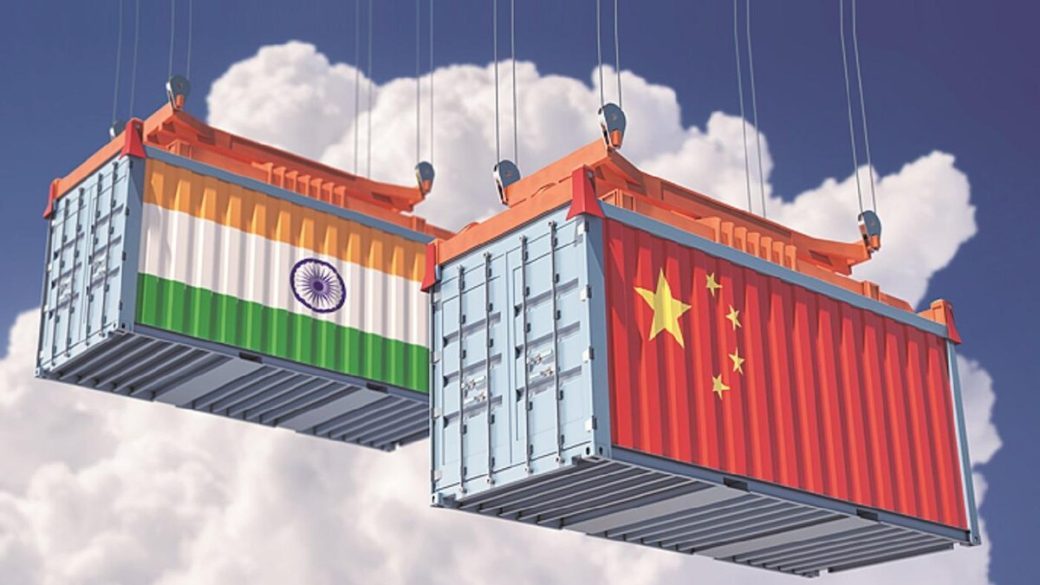
Chinese power equipment bids are back in a limited way. Chinese power equipment bids means companies with Chinese links can try for some Indian government power projects. India has cleared four such firms, but only after security checks. That matters because power gear runs the grid people use every day.
Key takeaways
- India has allowed four Chinese-linked power equipment firms to bid for government power projects.
- The move does not open the door to everyone, because each case still needs approval and checks.
- Power equipment includes things like boilers, turbines and grid gear. These are the heavy machines that make and move electricity.
- The decision could help speed up projects, but India still says security comes first.
Why is India allowing Chinese power equipment bids now?
India appears to be making a narrow exception, not a full policy U-turn. The government has reportedly cleared four firms with Chinese links to take part in state-backed power tenders. A tender is a formal bid process. It lets companies compete for a contract.
This shift matters because India needs a lot more power gear, fast. The country is adding new generation and transmission lines while demand rises. Transmission means moving electricity over long distances. It is the network of towers, wires and substations.
India’s peak power demand hit 250 gigawatts in May 2024, according to the power ministry. A gigawatt is a huge unit of power. One gigawatt can power a big city. As demand grows, delays in key equipment can slow whole projects.
That helps explain the new opening. India wants enough suppliers to keep projects moving, but it also wants to guard the grid. So the government seems to be choosing a middle path.
Which firms are involved in Chinese power equipment bids?
Reports say four Chinese-linked equipment makers have been allowed to bid. The public discussion has focused on power-sector vendors that supply large machines or electrical systems for government projects. These projects can include thermal plants, grid stations and other public power works.
The government has not thrown the gates open to every overseas player. Instead, it has allowed a small number of approved firms. That makes this decision look more like a controlled filter than a broad rollback.
After the 2020 border clash, India tightened rules on imports and project participation from countries sharing a land border. That included China. Since then, power equipment from Chinese suppliers faced extra scrutiny because the grid is critical infrastructure. Critical infrastructure means systems a country cannot afford to lose, like power, water and telecom.
Here is a simple look at the before-and-after picture:
| Issue | Earlier position | What changed now |
|---|---|---|
| Chinese-linked vendors | Faced strict limits in many public power bids | Four approved firms can bid |
| Security review | Very tight screening | Still required |
| Project impact | Fewer supplier choices | More competition in selected bids |
Why was India cautious about Chinese power equipment bids?
The short answer is security. Power equipment is not just metal and wires. Some systems include software, controls and remote access tools. If those are compromised, the risk is bigger than a late delivery.
In 2020, India put fresh rules on imported power gear from some countries. Officials said imported equipment for the grid needed prior approval and testing. The Central Electricity Authority, or CEA, is the sector’s technical body. It helps set standards and reviews equipment issues.
Grid security has become a bigger issue worldwide. Countries worry about cyberattacks, sabotage and hidden access points. A cyberattack is a digital break-in. It can shut systems down or steal data.
So even with Chinese power equipment bids allowed for four firms, the message is not relaxed. It is selective. India still wants checks on who supplies what, and where that equipment will be used.
What could this mean for power projects and costs?
More bidders can help buyers in two ways. First, it can reduce waiting time. Second, it can improve pricing because companies compete harder.
That matters in large projects, where one delay can push back the whole schedule by months. A boiler or turbine is not like a small spare part. It is a giant custom machine, often worth hundreds of crores of rupees.
India plans major spending on power and grid expansion this decade. The government has talked about adding large transmission capacity and improving supply for industry, homes and electric transport. If equipment options stay tight, project owners may face bottlenecks. A bottleneck is a choke point. It slows everything behind it.
Here is a quick visual of the core numbers behind the decision:
Key numbers behind the policy shift4 firms250 GW peakApproved firmsIndia peak demand
Of course, lower prices are not guaranteed. Security rules, testing and local requirements can still add cost. But with only a few approved firms, India may at least ease pressure in some project categories.
Does this change India’s larger China policy?
Not really. This looks like a practical move for a specific sector. It does not erase India’s broader caution on Chinese investment and strategic industries.
In fact, India has often mixed two goals that can clash. It wants stronger domestic manufacturing, but it also needs enough equipment to keep infrastructure growth on track. That balance shows up in many sectors, not just power.
You can see the same bigger growth push in our report on why the government sees 7.7% economic growth. Energy demand is part of that story, because factories, trains, data centres and homes all need steady electricity.
The move also fits a wider pattern in India’s strategic planning. The country is opening some doors where it helps national goals, while keeping watch on sensitive areas. That’s similar to how ties can deepen in some fields and stay guarded in others, as seen in India-Japan cooperation in AI, energy and defence.
What should readers watch next?
The first thing to watch is which tenders these firms enter. Not every power project is the same. Some involve generation, while others involve transmission or balance-of-plant systems. Balance of plant means the supporting parts around a main power unit, like pumps, cables and control systems.
Second, watch whether Indian manufacturers raise concerns. They may argue that local firms need stronger support, especially if imported rivals undercut prices. Undercut means offering a lower price to win business.
Third, watch for fresh guidance from the power ministry or the CEA. Those documents will show how strict the checks remain. Readers can track official updates on the Ministry of Power website and technical notices from the Central Electricity Authority.
A clear way to put it is this: India has not fully reopened its market to Chinese power suppliers. It has allowed four cleared firms to join selected government bids because the country needs equipment, but it still treats grid security as non-negotiable.
If you want more context on how supply choices affect essential sectors, you can also read our coverage of why petrol and diesel prices may not fall yet and India’s plan to make solar module recycling mandatory. Both show the same core theme: energy policy is now about price, speed and security at the same time.
FAQs
What are Chinese power equipment bids?
Chinese power equipment bids are tenders where Chinese-linked firms compete to supply machines or systems for Indian power projects.
Why did India allow only four firms?
India appears to want more supplier choice without dropping security checks. So it cleared a small group instead of everyone.
How could this affect electricity projects?
It could reduce delays and improve competition in some tenders. But approvals and safety checks will still shape the final outcome.