Key takeaways
- India Japan cooperation moved forward after talks between Prime Minister Narendra Modi and Japanese leader Sanae Takaichi.
- The talks focused on AI, energy, defence and economic security, which means keeping trade and key supplies safe.
- Both sides want stronger supply chains, more technology links and closer strategic ties in Asia.
- The meeting matters because India and Japan already work together on trade, infrastructure and regional security.
India Japan cooperation is getting broader and more serious. India Japan cooperation means the two countries are working together on shared goals. This time, the focus was AI, energy, defence and economic security. Those are big topics, but they all shape jobs, safety and future technology.
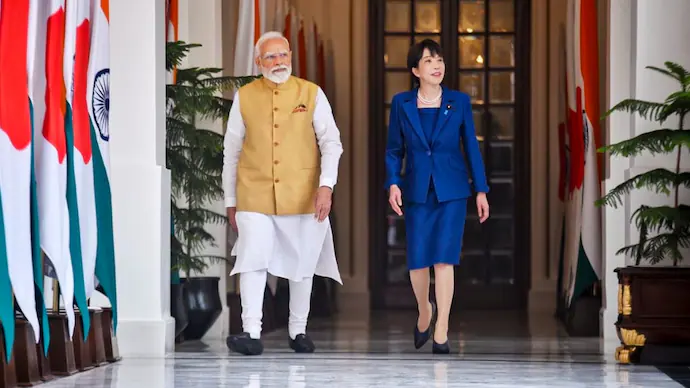
Prime Minister Narendra Modi met Sanae Takaichi, a senior Japanese political leader, and both sides signalled deeper ties. The message was simple. India and Japan want to rely more on each other in a world that feels less stable. That matters because wars, trade fights and chip shortages can hit everyday life fast.
Why is India Japan cooperation expanding now?
The short answer is risk. Countries now worry more about supply chains, which are the routes goods take from factory to buyer. If one link breaks, prices rise and factories slow. So India and Japan want backup plans, trusted partners and less dependence on any one country.
They also see chances in new tech. AI, or artificial intelligence, means computer systems that can do tasks that seem human, like writing, sorting data or spotting patterns. Japan has advanced manufacturing strength, while India has a huge tech talent base. Put those together, and both sides see room to grow.
Security is another reason. Japan has become more active on defence in recent years, while India has pushed stronger ties across the Indo-Pacific. That is the large region stretching from the Indian Ocean to the Pacific Ocean. Both countries want open sea lanes, stable trade routes and less pressure from conflict.
What did Modi and Takaichi talk about?
The discussions covered four main areas. First came AI and technology. Next was economic security. Then came energy and defence cooperation.
Economic security sounds complex, but the idea is simple. It means protecting important industries, materials, data and transport links from shocks or outside pressure. For example, if chip supplies dry up, car plants and phone makers can stall. That is why trusted partnerships matter.
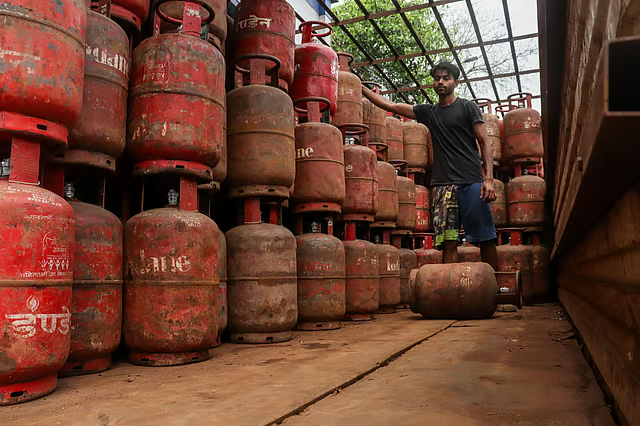
Energy was also a key part of the talks. Energy security means having enough fuel and power at prices a country can handle. India imports a large share of its oil needs, so it watches global shocks closely. You can see that pressure in our report on how LPG consumption fell as supply stress grew.
Defence ties add another layer. India and Japan already take part in joint military exercises and wider regional security talks. Stronger defence cooperation does not always mean buying weapons. It can also mean sharing know-how, improving coordination and keeping sea routes safer.
How big are India and Japan already as partners?
They are not starting from zero. Japan has long backed major Indian infrastructure projects, including metro systems, industrial corridors and the Mumbai-Ahmedabad high-speed rail project. That train project is often called the bullet train. It is one of the clearest symbols of long-term trust.
Trade is meaningful too, though it still has room to grow. According to India’s Ministry of External Affairs, bilateral trade between India and Japan was about $22.85 billion in 2023-24. That is large, but still smaller than what many analysts think is possible. More tech and energy deals could push that number higher.
Japan is also a major investor in India. Since 2000, Japan’s foreign direct investment into India has crossed $43 billion, according to official Indian data. Foreign direct investment means money companies put into factories, offices or businesses in another country. It usually shows long-term confidence.
India Japan cooperation: key figuresTrade$22.85BFDI$43B+
Here is a quick look at the numbers:
| Area | Figure | Why it matters |
|---|---|---|
| Bilateral trade | $22.85 billion | Shows the current size of business links |
| Japanese FDI into India since 2000 | $43 billion+ | Shows long-term investor trust |
| Main new focus areas | 4 | AI, economic security, energy, defence |
Why do AI and chips matter in India Japan cooperation?
Because modern economies run on them. Chips power phones, cars, servers and factory machines. AI tools need strong chips, huge data centres and skilled engineers. No country wants to be cut off from that chain.
India wants to build more of its digital and electronics base at home. Japan wants dependable partners as global tech tensions rise. So India Japan cooperation in AI could go beyond talk. It could include research, training, manufacturing support and startup links.
This also fits a wider pattern. Countries now care not just about cheap imports, but also about resilience. Resilience means bouncing back when something goes wrong. That idea is shaping policy from energy to semiconductors.
Japan has strengths in precision manufacturing and industrial technology. India has scale, software talent and a vast market. If the two sides join those strengths well, they could create real business value and reduce risk at the same time.
What could this mean for India’s economy and strategy?
For India, the upside is clear. More Japanese investment can support factories, transport, clean energy and advanced technology. That can help create jobs and improve local supply networks. It also gives India more partners as global competition sharpens.
For Japan, India offers something very attractive. It has a fast-growing economy, a large workforce and a government pushing manufacturing and infrastructure. Japan also sees India as a steady democratic partner in Asia. That makes strategic cooperation easier.
There is also a trade angle. India is trying to deepen ties with major partners across sectors. You can see that in our coverage of the India-US trade deal push and the plan to cut natural gas imports with biogas. The Japan talks fit that same broader effort.
India Japan cooperation is no longer just about one rail project or one trade deal. It is becoming a wider partnership built around trusted technology, safer supply chains, steadier energy access and stronger regional security.
What should readers watch next?
Watch for follow-up deals, not just statements. Real progress would look like new investment plans, research tie-ups, semiconductor partnerships or energy projects. Defence cooperation could also deepen through more exercises or technology sharing.
Another clue will be how often both sides meet on these topics. Regular talks usually mean the work is moving. Official updates from India’s Ministry of External Affairs and Japan’s Ministry of Foreign Affairs can show what comes next.
For now, the signal is strong. India Japan cooperation is widening because both countries think the future will reward trusted partners. In a shaky world, that may be one of the safest bets around.
FAQs
What is India Japan cooperation?
It means India and Japan working together on shared goals like trade, technology, energy and security.
Why are AI and economic security part of the talks?
Because countries want safe access to chips, data, key materials and new technology as global risks rise.
How could India Japan cooperation affect ordinary people?
It could lead to more jobs, better infrastructure, stronger energy planning and new technology investment over time.