Anthropic Claude ID Verification: What’s Changing and Why Claude May Ask to See Your ID
Anthropic is the company that makes the Claude AI chatbot. (A chatbot is a computer program you can type to, and it types back like a person.) Anthropic says it may soon ask some users to prove who they are. This is called ID verification. It could mean you show a government ID, take a selfie, or do both. The company is also collecting more data than before. (Data means the information a company keeps about you and how you use it.)
If you use Claude, this may feel like a big change. For years, most AI chatbots let you sign up with just an email. Now one of the biggest AI labs in the world is talking about checking IDs.
Here is what is changing. We will look at why AI companies are adding these checks. We will also look at the privacy trade-off you should think about. (A trade-off is when you gain one thing but give up another.)
What Anthropic is actually saying
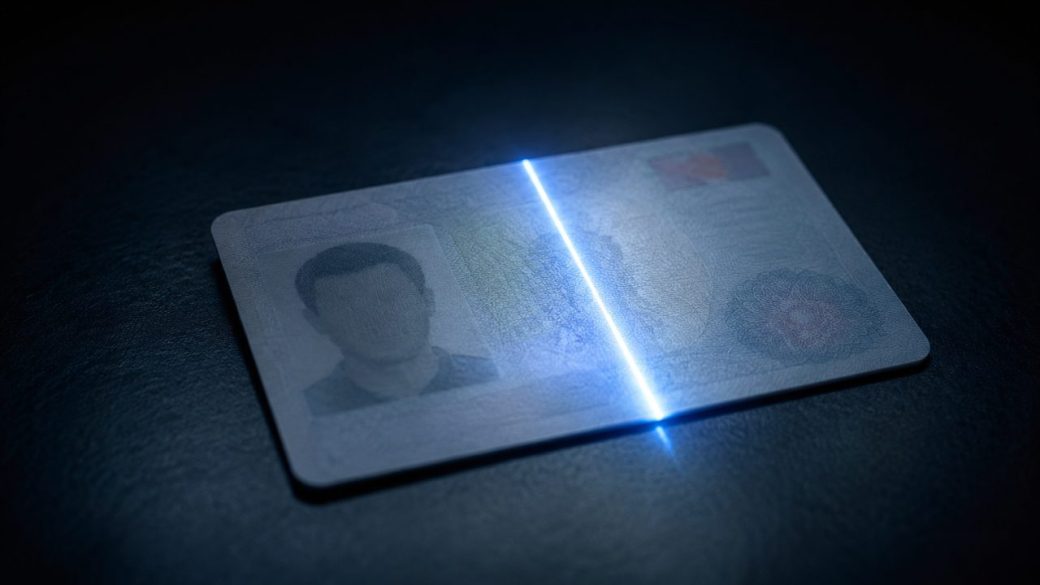
Anthropic has said that Claude may want to see your ID in some cases. The company is also gathering more data. For some users, this could mean a government ID. A government ID is an official card from the government, like a passport or driving licence. It could also mean a selfie. The selfie is used to check that your face matches the face on the card.
Let us explain a few words in plain language first.
- Claude is Anthropic’s AI helper. It is a chatbot that can write, answer questions, and help with tasks.
- ID verification means proving you are a real person. Sometimes it also proves your age. You do this by sharing an official document.
- Data collection means the information a company gathers about you and how you use its product.
One thing is important. The reports say this is something Claude “may” ask for. It is not the same as every single user being forced to upload a passport just to ask a question. The checks seem to be for certain cases, not for everyone who signs up.
Why are AI companies adding ID and age checks?
There are a few simple reasons. None of them are surprising once you see the pressure AI companies are under.
1. Safety and stopping misuse
AI tools can be misused. People can try to trick them into making harmful content, scams, or fake accounts. If a company knows a user is a real, checked person, it is harder to abuse the system on a big scale. It also helps the company act if someone breaks the rules.
2. Age verification
Age verification means checking that a user is old enough to use a service. Many countries are making rules to keep children away from adult or risky content online. AI chatbots are now part of this too. Checking age can help a company follow these new child-safety laws.
3. Rules and legal pressure
Regulation means the laws and rules that governments set for companies. All over the world, governments are writing new rules for AI. Some of these rules ask for stronger checks on who is using powerful tools and why. ID checks are one way a company can show it is trying to follow the law.
The privacy trade-off
Here is the hard part. Asking for a government ID and a selfie may make a service safer. But it also means handing over very private information.
Your ID and your face are not like a password. You cannot just reset them if they leak. If that data is stolen or misused, the harm can follow you for years.
So users have to weigh two things at the same time:
- The good side: safer tools, fewer bots and scammers, and better protection for children.
- The bad side: more of your personal data sitting in one more company’s database. This makes a bigger target for hackers.
This is the same problem that banks, social apps, and payment services already deal with. AI is now joining that group.
Key facts
| Detail | As reported |
|---|---|
| Company | Anthropic (maker of Claude) |
| What may be asked for | Government ID and/or a selfie |
| Who it affects | Some Claude users, not necessarily everyone |
| Wider change | Anthropic is broadening its data collection |
| Stated reasons | Safety, age checks, and following new rules |
FAQs
Will every Claude user have to upload an ID?
From what is reported, no. Claude “may” ask some users to verify their identity in certain cases. It is not described as a rule for all sign-ups.
What exactly might Anthropic ask for?
Reports point to a government ID and a selfie. The selfie checks that the face matches the document. The company is also collecting more data in general.
Why do AI companies want my ID at all?
There are mainly three reasons. One, to stop misuse and bots. Two, to check that users are old enough. Three, to follow new government rules on AI and online safety.
Is sharing my ID with an AI app risky?
There is a real trade-off. ID checks can make a service safer. But your ID and face are private, and you cannot reset them if they leak. It is worth checking how a company stores and protects this data.
Why it matters (especially for India / founders)
India is one of the fastest-growing markets for AI tools. Millions of students, workers, and small businesses are starting to use chatbots every day. So how the biggest AI companies handle identity and data will shape the experience here too.
For founders who build AI products, this is a useful signal. (A founder is a person who starts a company.) ID checks, age gates, and clear data rules are becoming part of running a serious AI business. If even Anthropic is moving this way, smaller startups should expect the same pressure.
India also has its own data-protection law and a strong push toward digital identity. So Indian users may care a lot about who collects their ID and selfie, and why. Founders who are honest about how they handle data can turn that into a trust advantage.
This lesson links to other changes in the AI world. Labs are spending huge amounts of money. People are also asking how these companies will keep making money over time. Trust and safety are now part of the same story as growth.
The takeaway
Anthropic asking Claude users for an ID is a small change with a big message. AI is growing up. As these tools get more powerful and more popular, the days of fully anonymous, no-questions-asked access may be ending. The challenge for every AI company now is simple to say and hard to do. They must keep people safe without putting their most personal data at risk.
Sources
- techcrunch.com — Anthropic says Claude may want to see your ID
- medianama.com — Anthropic widens data collection and ID verification for Claude users