Amazon India Farm Sourcing Set to Grow 6x to Power Its Quick Commerce Push
Amazon India farm sourcing is about to get a lot bigger. The company plans to scale its direct farm sourcing by six times. The goal is simple: get fresh fruits and vegetables from farms to your door faster. This buying-straight-from-farmers plan will feed Amazon’s quick commerce push in India, where grocery orders can land at your home in 10 to 30 minutes.
Let us break down what this means, why Amazon is doing it now, and what it could change for shoppers, farmers, and founders watching India’s grocery race.
What “direct farm sourcing” actually means
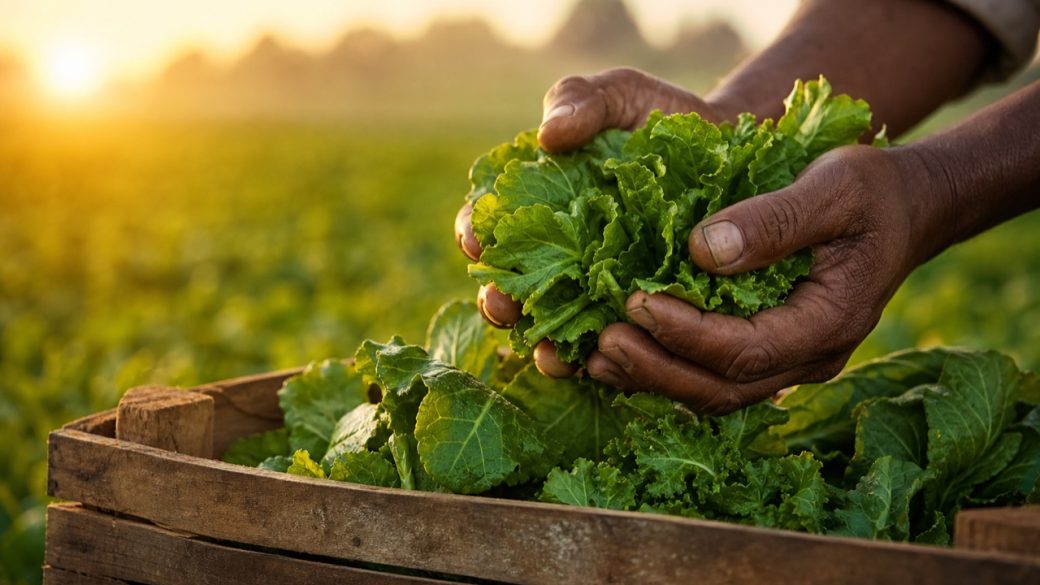
Direct farm sourcing means buying produce straight from farmers. There is no middleman in between. Normally, a vegetable passes through many hands before it reaches a store. Each hand adds a markup and adds time. By going direct, Amazon cuts those steps out.
This is the heart of what people call a farm-to-fork strategy. “Farm-to-fork” just means food moves from the farm to your plate with as few stops as possible. Fewer stops mean fresher food and lower waste.
To make this work, Amazon runs collection centres near farms. Farmers bring their produce here. Amazon checks it, pays for it, and sends it onward. The company says it has been opening more of these centres across India. In Maharashtra, for example, its network of collection centres has been growing fast.
Why Amazon is scaling sourcing 6x now
The short answer is quick commerce. Quick commerce (often shortened to “q-commerce”) is super-fast grocery delivery. You order milk, fruit, or vegetables on an app, and a rider brings it in minutes. To deliver that fast, the seller needs stock sitting close to you.
That stock sits in small local warehouses called dark stores or micro-fulfillment centres. A dark store is a mini-warehouse that is closed to the public. Riders pick orders from it and rush them out. The fresher and faster the supply into these stores, the better the service.
Here is the problem with fresh food: it spoils. A tomato that took three days to travel through a long chain is already old. By sourcing directly, Amazon shortens the supply chain (the full journey of a product from farm to customer). Shorter chain, fresher tomato, faster delivery, less waste.
Scaling sourcing six times gives Amazon the steady, fresh supply it needs to run quick commerce at a big scale across many cities.
Key facts at a glance
| Item | Detail (as reported) |
|---|---|
| Direct farm sourcing target | Scale up by 6x |
| Farmers linked via Amazon Now | More than 16,000 |
| Quick commerce city target | 100 cities (Amazon Now) |
| Micro-fulfillment / dark stores planned | Over 1,000 |
| Farmer payment speed | Often within hours |
| Pricing reference | Linked to local markets / APMCs |
Better prices for farmers
Cutting out middlemen is not only about Amazon’s profit. It can help farmers too. When farmers sell direct, they can earn a fairer share. Amazon says it links its buying prices to local markets, also called APMCs (the official agricultural markets in India). It also says farmers often get paid into their bank accounts within hours.
Fast, fair payment matters a lot to a small farmer. It means less waiting and more trust in the buyer.
The quick commerce war in India
Amazon is a late entrant in India’s quick commerce war. Several players got there first and are fighting hard for the same shoppers. The main rivals include:
- Blinkit (owned by Eternal, formerly Zomato)
- Zepto
- Swiggy Instamart
- BigBasket (backed by Tata)
- Flipkart Minutes (Flipkart’s fast-delivery arm)
Amazon’s own fast-delivery service is called Amazon Now. It is pushing to reach 100 cities, backed by more than 1,000 micro-fulfillment centres. Its older grocery service, Amazon Fresh India, already covers a wide set of cities and gives the company a head start on the fresh-food side.
In this fight, fresh produce is a key battleground. Fruits and vegetables bring shoppers back to an app again and again. Whoever delivers the freshest produce fastest, at a fair price, wins repeat orders. That is why control over sourcing matters so much.
Why it matters (especially for India and founders)
For India, this is a big shift in how food moves. A tighter farm-to-fork chain can mean less food waste, fresher produce, and a more direct link between farmers and big buyers. India loses a large amount of fruits and vegetables to spoilage every year. Shorter chains can cut that loss.
For founders and operators, there are clear lessons:
- Supply beats speed alone. Anyone can promise 10-minute delivery. Few can guarantee fresh stock at scale. Owning the supply chain is the harder, stickier advantage.
- Margins live in the middle. Cutting middlemen can improve gross margin (the money left after the cost of the goods sold). That extra room helps fund discounts and faster delivery.
- Trust is built upstream. Paying farmers fast and fairly builds a reliable supply base that rivals cannot copy overnight.
For shoppers, the promise is simple: fresher fruits and vegetables, delivered faster, hopefully at fair prices.
FAQ
What is Amazon India farm sourcing?
It is Amazon buying fruits and vegetables straight from farmers, instead of going through middlemen. Amazon now plans to grow this direct buying by six times to support fast grocery delivery.
What does farm-to-fork mean?
Farm-to-fork means food travels from the farm to your plate with as few stops as possible. This keeps it fresher and cuts waste.
Who does Amazon compete with in quick commerce?
Amazon’s Amazon Now competes with Blinkit, Zepto, Swiggy Instamart, BigBasket, and Flipkart Minutes in India’s fast grocery delivery market.
How does this help farmers?
Selling direct can give farmers a fairer price. Amazon says it links prices to local markets (APMCs) and often pays farmers within hours.
The takeaway
Amazon India farm sourcing is becoming the engine behind its quick commerce plans. By buying direct and scaling it 6x, Amazon wants fresher produce, fairer farmer prices, and a faster supply chain. In a crowded quick commerce war, the company that controls fresh supply may end up controlling the customer. This is Amazon’s bet to catch up and, perhaps, pull ahead.
This article is based on reporting by Financial Express. Figures are as reported.