Key takeaways
- US LNG export growth made up 93% of the world’s export increase in 2025.
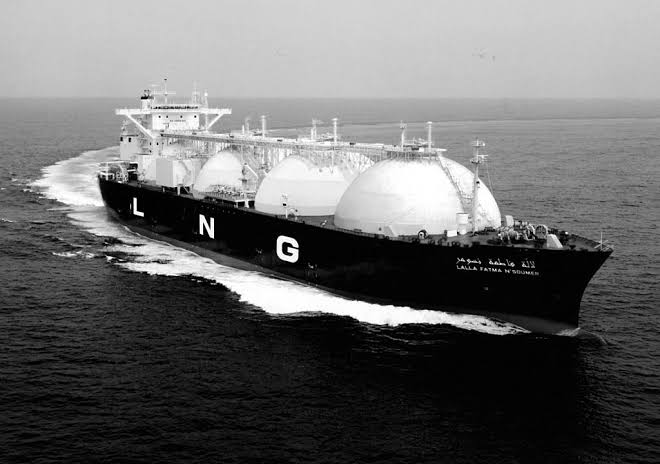
- LNG means liquefied natural gas. It is gas chilled into a liquid so ships can carry it.
- New export plants in the United States helped push supply higher.
- More LNG can ease shortages, but it can also reshape prices and power politics.
US LNG export growth was the big story in the world gas trade in 2025. US LNG export growth means the extra amount of super-chilled natural gas America sold overseas. In simple terms, the US supplied almost all of the world’s new LNG exports last year. That gave the country even more weight in global energy markets.
The core number is striking. The United States supplied 93% of global LNG export growth in 2025, according to the source report based on industry data. That means if world LNG exports rose by 100 new units, about 93 of those came from the US.
That happened because several American projects ramped up output. Ramp up means a plant moves from startup mode toward fuller production. When those plants began shipping more cargoes, the global market got a fresh wave of supply.
Why did US LNG export growth jump so much?
The short answer is capacity. Capacity means how much a plant can make at full speed. The US had new LNG export terminals and trains ready, so it could send far more fuel abroad than many rivals.
An LNG train is not a railway train. It is a processing unit inside a terminal that chills gas into liquid form. Each added train can sharply raise export volumes, so even a few new units matter a lot.
Other countries did not expand as fast. Some projects faced delays, while others lacked enough gas supply or shipping support. As a result, America captured almost all the growth in 2025.
This also fits a longer trend. The US has spent years building export plants along the Gulf Coast. Those investments are now paying off, because new facilities can add millions of tonnes of LNG each year.
How big was US LNG export growth in the global market?
Think of the LNG market like a pizza getting a little bigger. In 2025, the US grabbed 93 out of every 100 new slices. That does not mean the US produced 93% of all LNG in the world, but it did dominate the growth.
That difference matters. Total market share tells you who is biggest overall. Growth share tells you who added the most new supply in a given year.
Here is a simple snapshot of the key figures mentioned in the report.
| Measure | Figure | What it means |
|---|---|---|
| Share of global LNG export growth from US | 93% | The US supplied almost all new export volume in 2025 |
| Rest of world share of growth | 7% | All other exporters combined added only a small part |
| Year in focus | 2025 | The data tracks last year’s export increase |
Global LNG export growth in 2025US93%Rest of world7%050100
The chart looks lopsided because the market was lopsided. A 93% share is huge in any trade flow. In fact, it shows how one country can shift a global market when large projects start at the same time.
Why does US LNG export growth matter for prices and politics?
LNG is not just fuel. It is also a tool of energy security, which means keeping homes, factories, and power plants supplied. Countries in Europe and Asia watch US shipments closely because those cargoes can help replace missing supply from elsewhere.
More supply can cool prices, at least in theory. If buyers have more cargoes to choose from, sellers often lose some pricing power. But weather, wars, shipping traffic, and outages can still push prices up fast.
That is why this story matters beyond the US. When America adds LNG, importers from Japan to Germany may get more options. Meanwhile, rival exporters such as Qatar and Australia must respond in a more crowded market.
There is also a political angle. Countries that buy more American LNG may build closer trade ties with Washington. Trade ties are business links between countries. Energy deals often shape those links for years.
The simplest way to say it is this: the US supplied nearly all the world’s new LNG export growth in 2025, so it gained more influence over where energy flows and how buyers plan their fuel needs.
What could happen next after US LNG export growth?
The next question is whether this pace can last. That depends on new projects, gas supply, demand from buyers, and rules on permits. A permit is official government approval to build or run something.
If more US plants start on time, exports could stay strong. But if projects slip, the market could tighten again. Tighten means supply gets less comfortable compared with demand.
Demand is another big piece. Some countries want more gas because it can back up wind and solar power. Back up means fill in when those power sources are weak. Others worry about emissions and want to move faster toward cleaner energy.
So the future is not simple. LNG can help keep lights on, but it also locks in fossil fuel use for years. Fossil fuels are energy sources like oil, coal, and natural gas that release carbon when burned.
How does this fit into the wider energy picture?
This surge arrives while global energy routes are changing. Our earlier piece on the global oil market shift and Hormuz risk showed how buyers want safer supply lines. LNG fits that same pattern, because countries prefer flexible cargoes they can reroute.
It also lands at a time when trade and security are mixing more often. We saw that in our report on the US-China trade security trip. Energy, chips, and shipping now sit in the same big strategy game.
For readers in India, LNG matters too. India imports gas for power, fertiliser, and industry, so global supply changes can affect costs at home. Fertiliser is plant food used by farmers. If LNG becomes easier to find, some import pressure can ease.
For the raw data and market background, readers can also check the US Energy Information Administration and the International Energy Agency. Both track energy supply, demand, and trade closely.
What should readers watch now?
First, watch new US terminals. One large startup can move global balances by itself. Second, watch Asian and European demand, because those regions buy much of the world’s LNG.
Third, keep an eye on prices during winter and summer peaks. Very hot or very cold weather can lift gas use fast. Fourth, watch shipping lanes and geopolitical risk, because cargoes only matter if they can move safely.
The big lesson is clear. US LNG export growth was not a small industry footnote in 2025. It was one of the main forces shaping the world energy map.
And that is why this number matters. US LNG export growth tells us who added the new fuel, who gained influence, and where the next market battle may happen.
FAQs
What is LNG?
LNG is liquefied natural gas. It is natural gas cooled into a liquid so ships can carry it across oceans.
Why did the US lead LNG growth in 2025?
The US brought more export capacity online. New plants and processing trains let it ship much more gas abroad.
Why does US LNG export growth matter?
It matters because extra supply can affect prices, trade ties, and energy security. It also gives the US more influence in global fuel markets.
Get the day’s top stories in your inbox
One concise email. No spam, unsubscribe anytime.