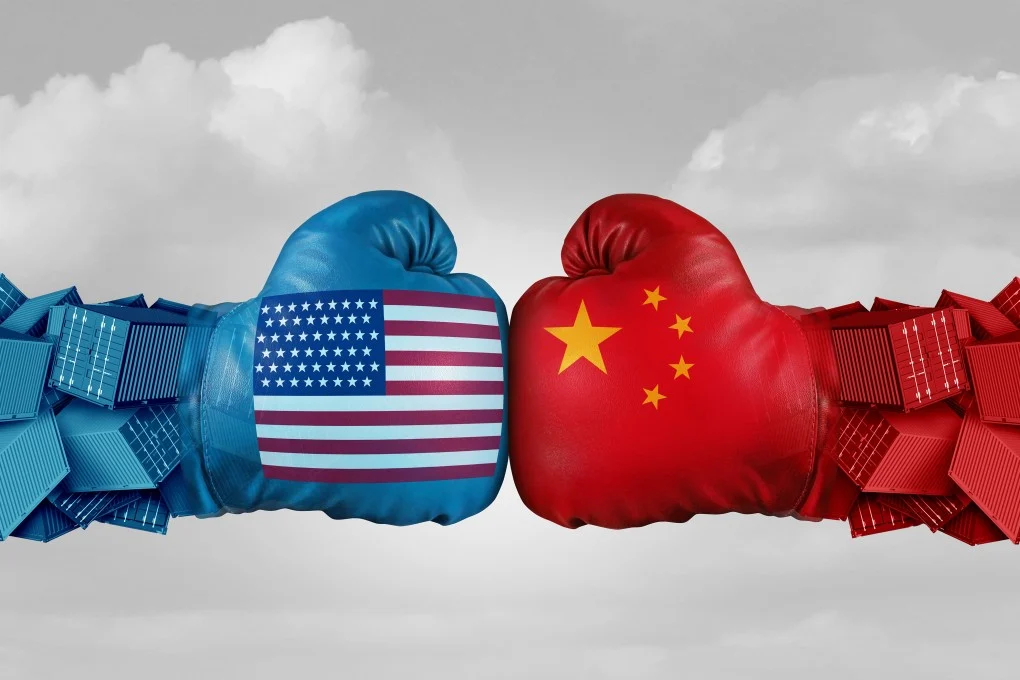
The US-China trade security trip is a visit by senior US lawmakers to China to study how trade links may affect safety and power. They want to see where the US depends on China most. They also want to know which business ties still help both sides.
Key takeaways
- Top US lawmakers are heading to China to review trade risks tied to national security.
- They are looking closely at supply chains, tech, and goods the US cannot easily replace.
- The visit matters because the US and China still trade hundreds of billions of dollars each year.
- Any new findings could shape future tariffs, export rules, and investment limits.
This visit comes at a tense time. Washington and Beijing still buy and sell huge amounts from each other, but trust is low. So the trip could help decide where the two countries stay connected and where they pull apart.
Why is the US-China trade security trip happening now?
US leaders have spent the past few years worrying about weak spots in supply chains. A supply chain is the path goods take from raw material to your hands. The pandemic, chip shortages, and fights over advanced tech all showed how one break can cause big trouble.
Now lawmakers want a closer look on the ground. They are not just asking, “How much do we trade?” They are asking, “Could this trade hurt us in a crisis?” That is a harder question, because some products matter far more than others.
For example, cheap toys and T-shirts are not the same as rare minerals, batteries, or computer chips. Chips are tiny electronic brains inside phones, cars, and missiles. If one side controls too much of that chain, the other side may feel exposed.
The US-China trade security trip also reflects a wider shift in Washington. Leaders in both major parties now talk less about free trade and more about resilience. Resilience means being able to keep going when something goes wrong.
What are lawmakers likely to examine in China?
The biggest focus will likely be critical goods. Critical goods are products a country badly needs for energy, defense, health, or tech. That can include chips, battery parts, rare earths, medicines, machine tools, and telecom gear.
They may also look at factories, ports, and company links. Ports are hubs where cargo moves between ships, trucks, and trains. If a key port slows down, goods can pile up fast.
Another issue is dual-use technology. Dual-use means a product can serve both civilian and military needs. A smart camera, for instance, might help traffic systems, but it could also aid surveillance or defense work.
The US-China trade security trip may also test whether both sides can still talk about hard issues without things falling apart. That matters because trade fights rarely stay only about trade. They spill into politics, defense, and everyday prices.
How big is US-China trade right now?
Even after years of tariffs and restrictions, the numbers are still huge. According to the US Census Bureau, total goods trade between the two countries was about $582.4 billion in 2024. That included about $143.5 billion in US exports to China and about $438.9 billion in US imports from China.
That means the US bought far more than it sold. The goods trade gap was about $295.4 billion. A trade gap means one country imports more than it exports.
These figures help explain why the US-China trade security trip matters. When trade is this large, even small rule changes can hit many companies. They can also affect prices for families buying phones, clothes, tools, and home goods.
US-China goods trade, 2024US exportsUS importsTrade gap$143.5b$438.9b$295.4b
Here is the same data in a simple table.
| Measure | 2024 value |
|---|---|
| US exports to China | $143.5 billion |
| US imports from China | $438.9 billion |
| Total goods trade | $582.4 billion |
| US goods trade gap | $295.4 billion |
Why does trade become a national security issue?
Here is the core point in plain words: a country can grow rich from trade, but it can also become too dependent on a rival for vital goods. That is why the US-China trade security trip is not just about money. It is about what happens if a crisis cuts off key supplies.
Think about a school project where one classmate has the only glue, scissors, and poster board. Things work fine until that classmate leaves. Then the whole project stalls.
That same idea applies to chips, minerals, and battery materials. China plays a major role in processing many critical minerals used in electric cars, solar gear, and defense tools. The US wants to reduce that risk, but doing so takes years and lots of money.
Meanwhile, China says the US has overused export controls and tariffs. Export controls are rules that block sales of certain goods or tech abroad. Beijing argues that some US actions are really about slowing China’s rise.
What could happen after the US-China trade security trip?
The visit could lead to a tougher report from US lawmakers. Reports like that can shape future laws and agency rules. They can also push companies to move some production to other countries such as India, Vietnam, or Mexico.
But change will not happen overnight. Building new factories takes time, workers, permits, and cash. A permit is official approval to build or operate something.
Some businesses may keep buying from China while adding backup suppliers elsewhere. That is often called “de-risking.” De-risking means cutting exposure without cutting all ties.
You can see a similar theme in other sectors too. Our coverage of India’s tighter tax treaty with Sri Lanka shows how governments are checking cross-border deals more closely. And our story on AlphaChip chip design explains why control over advanced chips has become such a big strategic issue.
What does this mean for companies and families?
For companies, the message is simple. Know where your parts come from. If too much depends on one country, make a backup plan.
For families, the effects may show up in prices and product choice. If firms move factories or face new tariffs, some goods may cost more. A tariff is a tax on imported goods.
Still, higher prices are only one side of the story. Supporters say safer supply chains are worth it because shortages can be even more painful. We saw that during past chip crunches, when car output slowed and electronics took longer to ship.
This debate also links to wider business strains. Our report on Tata Technologies profit looks at how industrial demand and engineering plans shift with global trends. And for another example of cross-border pressure in markets, see our piece on gold recycling in India.
For readers who want the raw numbers, the US Census Bureau trade pages and the Office of the United States Trade Representative offer primary data and policy details at census.gov and ustr.gov.
FAQs
What is the US-China trade security trip?
It is a visit by senior US lawmakers to China to study whether trade links create security risks for the United States.
Why does the US-China trade security trip matter?
It matters because the US and China still trade hundreds of billions of dollars in goods, including products that affect tech, energy, and defense.
How could the US-China trade security trip affect everyday people?
It could influence tariffs, sourcing plans, and factory moves. So it may affect prices, product supply, and where companies make things.
Get the day’s top stories in your inbox
One concise email. No spam, unsubscribe anytime.