Key takeaways
- The Hong Kong 5-year plan is a medium-term roadmap. It sets goals for the economy, housing, and market rules.
- Supporters say better governance could make policy clearer and help investors trust the market more.
- The plan matters because Hong Kong faces slow growth, weak property demand, and tougher global competition.
- Results will depend on execution, not slogans. People will watch jobs, home supply, and market activity.
The Hong Kong 5-year plan is a roadmap for what leaders want to fix and build over the next five years. A roadmap means a simple plan with goals and steps. Backers say it could steady markets, improve rules, and give the city a clearer direction.
What is the Hong Kong 5-year plan?
The idea is simple. Hong Kong would set a five-year list of priorities, then match budgets, laws, and projects to those goals. That sounds technical, but it really means fewer random moves and more clear targets.
Supporters argue this matters because investors like predictability. Predictability means people can better guess what rules and policies will look like later. If companies trust the direction of travel, they may hire more, build more, and invest more.
Hong Kong already plans many things year by year through budgets and policy speeches. But a longer frame can help connect the pieces. For example, housing, transport, and jobs often move together, so one shared plan can stop departments from pulling in different directions.
Why are people talking about the Hong Kong 5-year plan now?
Hong Kong has had a rough stretch. Growth has been uneven, the property market has cooled, and some global firms have become more careful. A cooler market means prices or activity are not rising much.
The city also faces stronger rivalry from nearby hubs, especially in finance and tech. So leaders need a story about where Hong Kong fits next. The Hong Kong 5-year plan is meant to be that story.
Numbers help show the challenge. Hong Kong’s real GDP grew 3.2% in 2023 after a weak 2022, according to official data, but the recovery has not felt equal across sectors. The Hang Seng Index has also swung sharply in recent years, which shows how fast market confidence can rise and fall.
Home prices tell another part of the story. Private home prices fell by roughly a quarter from their 2021 peak before showing signs of finding a floor. That matters because housing affects family wealth, consumer spending, and how people feel about the future.
How could the Hong Kong 5-year plan help markets?
The main promise is better governance. Governance means how leaders make decisions, enforce rules, and stay accountable. Markets tend to work better when rules are clear, applied fairly, and explained well.
If the Hong Kong 5-year plan sets plain targets, investors can judge progress more easily. That could help confidence, especially if officials publish updates each year. Clear scorecards often calm nerves because people can see what is working and what is not.
It could also improve coordination. If land, transport, education, and business policy all point the same way, projects may move faster. Faster does not always mean better, but delay has real costs too.
Think of it like a football team. If one player runs left and another runs right, the team wastes energy. A five-year plan tries to get everyone running toward the same goal.
Key Hong Kong figuresGDP2023 3.2%Home prices~25% off peakPlan span5 years
What would success look like in real life?
People do not live inside policy papers. They feel results in rent, pay, commutes, and job chances. So success for the Hong Kong 5-year plan should be easy to spot.
One sign would be more housing supply. Supply means how many homes are available. If more homes come to market, pressure on prices and rents can ease over time.
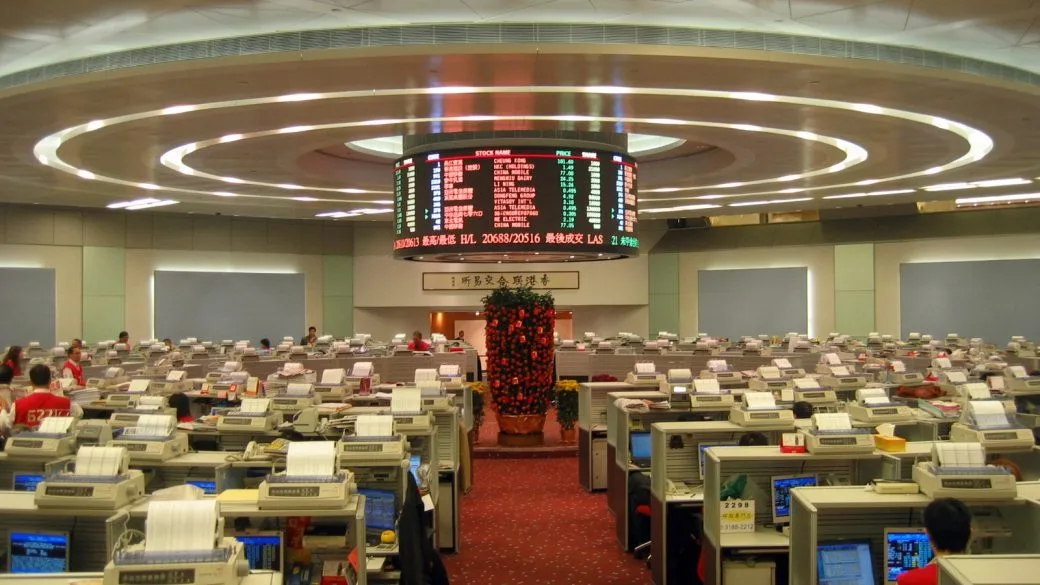
Another sign would be stronger market activity. That could mean more stock listings, more trading, and more business investment. A listing is when a company starts selling its shares on a stock exchange.
Jobs matter too. If younger workers see better openings in finance, technology, logistics, and tourism, confidence can build. That is one reason labor trends matter in many economies, as we saw in our report on IT hiring stabilisation.
| Area | What people want | What to watch |
|---|---|---|
| Housing | More affordable homes | New supply, rent trends |
| Markets | More trust and activity | Listings, trading volumes |
| Jobs | Steadier hiring | Unemployment, vacancies |
| Governance | Clearer policy signals | Timelines, public updates |
What are the risks?
A plan is not magic. If goals are vague, the Hong Kong 5-year plan could become a nice-looking document with little force. That happens when leaders announce targets but do not tie them to hard deadlines.
There is also the risk of moving too slowly. Global money can shift fast, and rival cities do not wait. Meanwhile, families care about monthly costs now, not five years from now.
Another risk is trust. If officials promise a lot and deliver a little, public confidence can fall further. That is why measurable targets matter more than big phrases.
Markets also face forces no city can fully control. US interest rates, China growth, and global trade tensions can all hit Hong Kong. So even a smart plan may not fix every problem quickly.
How does this fit with the wider region?
Hong Kong does not compete alone. It sits inside a region where cities are pushing hard for capital, talent, and new industries. So a strong Hong Kong 5-year plan is also a signal to neighbors and global firms.
The city wants to stay important in finance while growing in tech, logistics, and professional services. Professional services means jobs like law, accounting, and consulting. Those sectors need trust, stable rules, and deep links to China and the world.
That bigger race is why long-term planning keeps coming up across Asia. Companies want clearer policy paths before they commit money for years. We have seen similar pressure in other sectors too, from chip funding in China’s IPO market to air travel expansion in our coverage of Akasa Air’s growth plans.
What should readers watch next?
First, watch for hard targets. The best version of the Hong Kong 5-year plan would include dates, numbers, and named agencies. Without those, it is harder to test progress.
Second, watch budgets. Budgets show what leaders truly back with money. If spending lines up with the plan, that is a stronger sign than speeches alone.
Third, watch data every few months. Home supply, unemployment, visitor numbers, and market fundraising can tell you if momentum is real. The Hong Kong government publishes many of these figures at its official portals, while market data also appears through the Census and Statistics Department and HKEX.
Here is the clearest way to put it: the Hong Kong 5-year plan could help steady the city only if it turns broad ambition into specific action. That means clear goals, public scorecards, and visible gains in housing, jobs, and market trust.
FAQs
What is the Hong Kong 5-year plan?
It is a five-year roadmap for the city’s main goals. It would guide policy on markets, housing, jobs, and development.
Why does the Hong Kong 5-year plan matter to investors?
Investors like clear rules and fewer surprises. A longer plan can make government direction easier to understand.
How will people know if it is working?
They should see results in numbers and daily life. That includes more homes, steadier jobs, and stronger market activity.
Get the day’s top stories in your inbox
One concise email. No spam, unsubscribe anytime.