US-Iran Oil Deal: 60-Day Licence Reopens Iran Crude, But a $5-10 War Premium Stays
The US-Iran oil deal just took a big step forward. For weeks there was tension, and oil prices jumped fast. Now the United States has given Iran a 60-day licence. A licence is a special permission. This one lets Iran sell its oil to the world again. The deal came right after big talks in Switzerland. This is good news for people who buy oil. But it is not full relief. Experts say oil prices still hold a “war premium” of about $5 to $10 per barrel. A war premium is extra money added to the price because of fear. India buys most of its oil from other countries. So this story matters a lot here. It touches fuel prices, the rupee, and how much things cost.
First, two quick words to know. Crude oil is the raw oil pumped from the ground. It is later turned into petrol, diesel, and other fuels. A barrel is the unit used to measure and price oil. One barrel is about 159 litres. So “$80 a barrel” means the price of one barrel of crude.
What the 60-day Iran oil licence actually means
For years, the US put sanctions on Iran. Sanctions are official rules that stop a country from trading freely. They made it very hard for Iran to sell its oil. A licence is a special permission. It lets some of that blocked trade happen again, at least for a while.
The US Treasury gave out this 60-day general licence. The Treasury is the part of the US government that handles money. It is led by Secretary Scott Bessent. The licence lets people make, ship, and sell Iranian crude oil and oil products. As reported, it runs until early on 21 August 2026. In return, Iran made two promises. First, it will keep the Strait of Hormuz open so ships can pass. Second, it will let inspectors from the International Atomic Energy Agency (IAEA) back into the country. The IAEA is a global group that checks on nuclear work. The deal came out of talks held in Switzerland.
In simple words, the world is getting more oil again. More oil usually means lower prices. But the licence lasts only 60 days. So traders are still careful. Nobody knows what happens after those 60 days end.
Oil price impact: prices fall, but not all the way
Oil prices have dropped fast. At the worst of the conflict, prices went above $120 a barrel. By 19 June, Brent crude had eased to about $80.57 a barrel. WTI crude was near $77.54. Here are two quick meanings. Brent is the main oil price for most of the world, including India. WTI (West Texas Intermediate) is the main US oil price. Both are watched closely. They are called benchmarks, which means they are the prices everyone uses to compare.
That is a big drop. As reported, Brent fell about $17 a barrel over four trading days. It has wiped out almost all the rise it saw since the conflict began. Experts think oil will stay between $75 and $82 a barrel soon. So the panic is fading. But the market is not fully calm yet.
The Strait of Hormuz: the world’s most important oil road
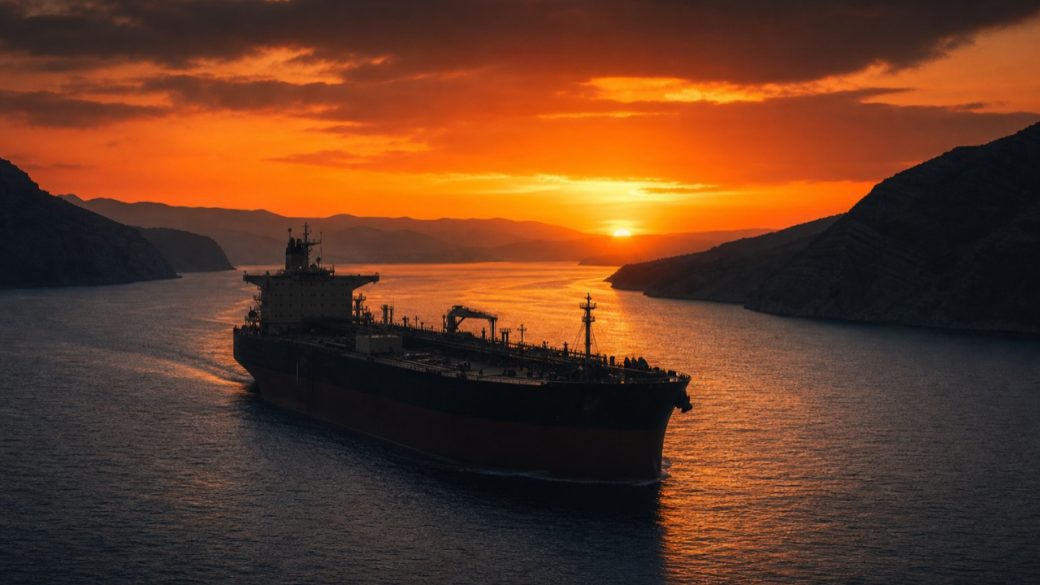
The Strait of Hormuz is a narrow strip of sea. It sits between Iran and the Arabian Peninsula. It is the only sea route out of the Persian Gulf. A huge share of the world’s oil passes through it. The oil travels on tankers, which are large ships built to carry oil. The strait is very narrow. So any threat to close it sends prices soaring. Buyers worry their ships will not get through.
Under the new deal, Iran has promised to keep the strait open. Experts now expect oil flows through Hormuz to climb back to about 10 million barrels per day (mbpd) by January. The word mbpd just means how many million barrels move each day. A return to about 10 mbpd would show that normal traffic is back. That is one big reason prices have eased.
The residual “war premium”: why prices stay a bit high
A war premium (also called a risk premium) is extra money added to the oil price because of fear. When war or supply trouble seems likely, buyers pay a bit more to lock in their oil. It is like paying extra for insurance.
Even after this deal, experts say a $5 to $10 per barrel war premium is still in the price. The reason is simple. The licence is only 60 days long. The region is still tense. If talks break down, oil supply could be hit again. So traders will not remove all the risk yet. This leftover premium is the gap between a fully calm market and today’s price.
The India angle: why this hits home
India buys more than 85% of the crude oil it uses. That makes India one of the world’s biggest oil buyers. When global oil prices move, India feels it fast. Here is how the US-Iran oil deal touches daily life in India.
- The import bill: The “import bill” is the total money India spends to buy oil from abroad. Lower oil prices shrink this bill. They also save the country foreign money.
- Inflation: Cheaper crude can mean cheaper petrol, diesel, and travel. That helps cool inflation. Inflation is the rate at which prices rise across the economy.
- The rupee: A smaller import bill means India spends fewer dollars. That can help the rupee stay steadier against the US dollar.
- Fuel costs: Lower diesel costs help trucks, farms, and factories. That can bring down the price of food and goods.
But the leftover $5 to $10 premium is the catch. While it stays, India does not get the full benefit of cheaper oil. A new flare-up could push the import bill back up fast.
Key facts at a glance
| Item | Detail (as reported) |
|---|---|
| US licence for Iran oil | 60 days, valid until 21 August 2026 |
| Residual war premium | About $5 to $10 per barrel |
| Hormuz oil flows target | ~10 million barrels per day (mbpd) by January |
| Brent crude (19 June) | ~$80.57 per barrel |
| WTI crude (19 June) | ~$77.54 per barrel |
| Peak during conflict | Above $120 per barrel |
| Near-term price range | $75 to $82 per barrel |
| Where talks were held | Switzerland |
Frequently asked questions
What is the US-Iran oil deal in simple words?
After talks in Switzerland, the US gave Iran a 60-day licence to sell its oil again. In return, Iran agreed to keep the Strait of Hormuz open. It also agreed to let nuclear inspectors back in. The deal eases sanctions for a short time.
Why are oil prices still high after the deal?
Because a war premium of about $5 to $10 per barrel is still there. The licence lasts only 60 days. The region is still tense. So traders keep some extra risk in the price.
Why does the Strait of Hormuz matter so much?
It is a narrow sea route. A large share of the world’s oil ships pass through it. If it closes, oil supply is cut and prices jump. The deal aims to bring flows back to about 10 mbpd by January.
How does this affect India?
India buys most of its oil. Lower prices cut the import bill, ease inflation, help the rupee, and lower fuel costs. But the leftover premium means India does not get the full benefit yet.
Why it matters (especially for India and founders)
Oil is a cost for almost every business. Cheaper crude eases pressure on transport, packaging, and shipping. For founders, calmer oil prices can mean steadier costs and a steadier rupee. That helps anyone who imports parts or sells abroad. But the 60-day clock and the leftover war premium are real risks. A smart founder plans for both calm and a sudden spike. Watch Brent crude. Watch Hormuz flows. And do not assume cheap oil is here to stay.
The bottom line
The US-Iran oil deal has pulled oil prices well off their highs. It also points to normal Hormuz traffic by January. That is a relief for an import-heavy country like India. But the 60-day licence is short. And a $5 to $10 war premium still lingers. The risk has shrunk, not vanished. For now, the smart move is careful hope. Keep one eye on the calendar and one on the Strait of Hormuz.
Sources: Financial Express – US grants 60-day licence for Iranian oil sales; Financial Express – US-Iran deal leaves $5-10 oil premium intact; CNBC – Oil prices, WTI, Brent and the Strait of Hormuz.