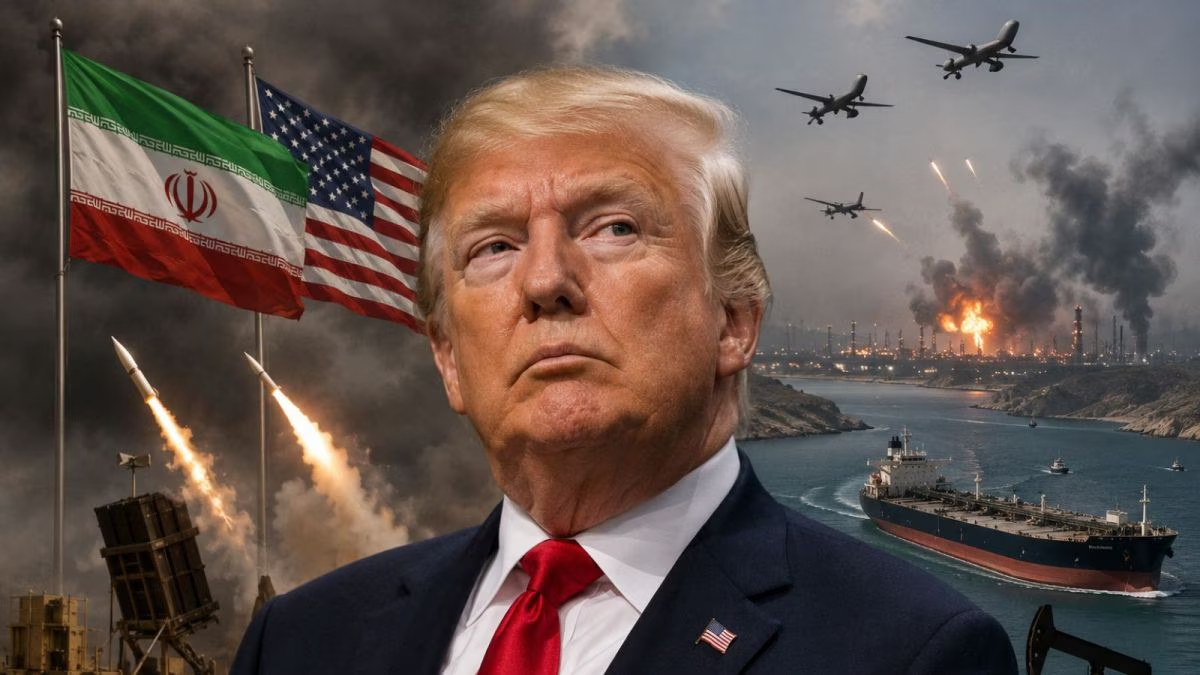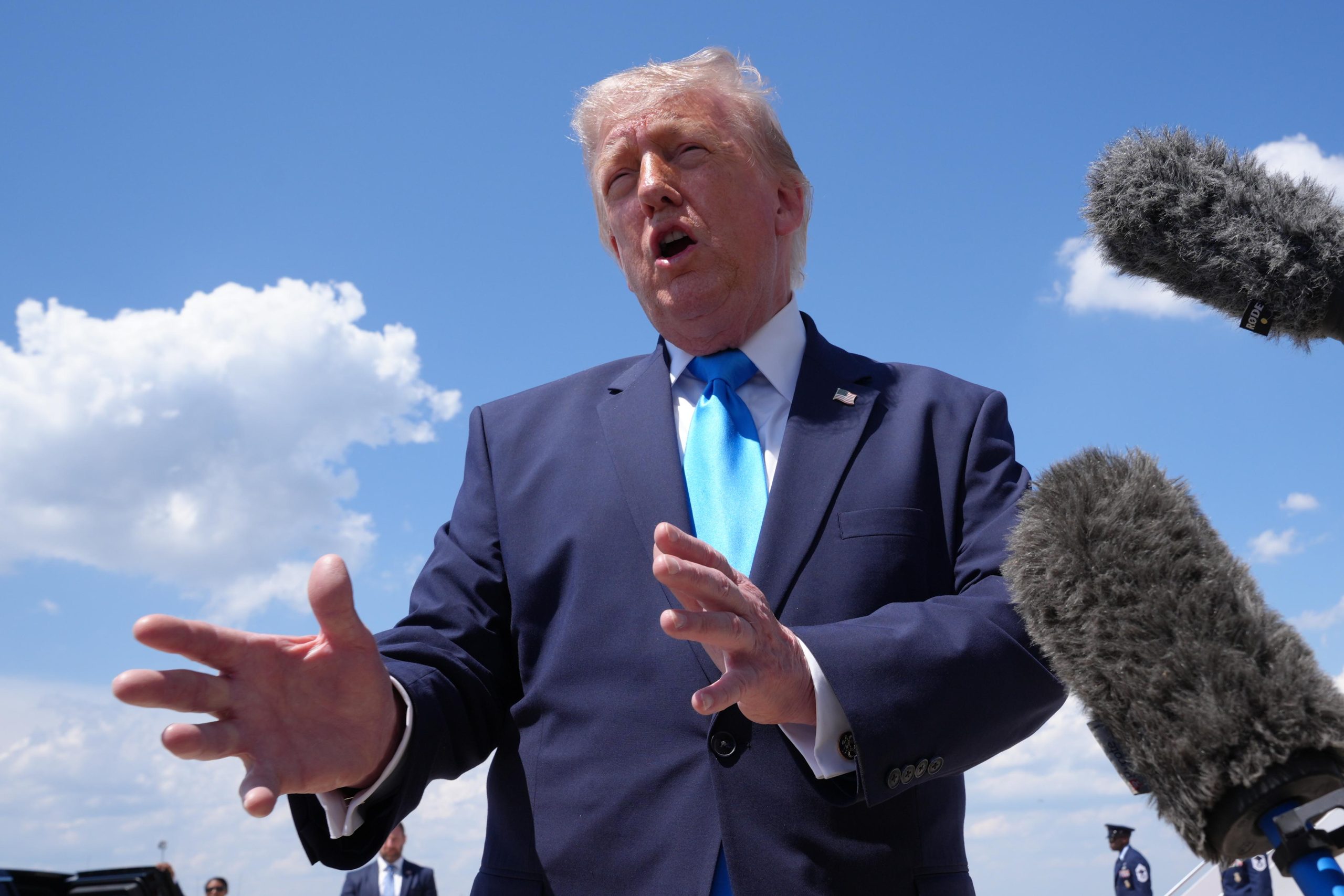
Trump Iran threat is the latest warning from US President Donald Trump to Iran. He said the US would hit back 20 times harder for any Iranian attack. That matters because even one strike could widen the war, shake oil prices, and scare markets far beyond West Asia.
Key takeaways
- Trump warned Iran that any attack could bring a much bigger US response.
- The Trump Iran threat raised fears of a wider conflict in West Asia.
- Oil traders watched the Strait of Hormuz closely because it carries a big share of world oil.
- Stock markets and crude prices can jump fast when war risks rise.
What did Trump say in the Trump Iran threat?
The big message was simple. Trump said if Iran attacks US targets, America could strike back with force that is 20 times stronger. That is a deterrent. A deterrent means a threat meant to stop someone from acting.
He made the warning as fighting risks stayed high in the region. The Trump Iran threat was not just about words. It was also a signal to Iran, Israel, oil traders, and US allies.
That matters because wars often spread by mistake. One missile, one drone, or one hit on a base can trigger another round. Then leaders feel pushed to answer back.
Why are people watching the Strait of Hormuz?
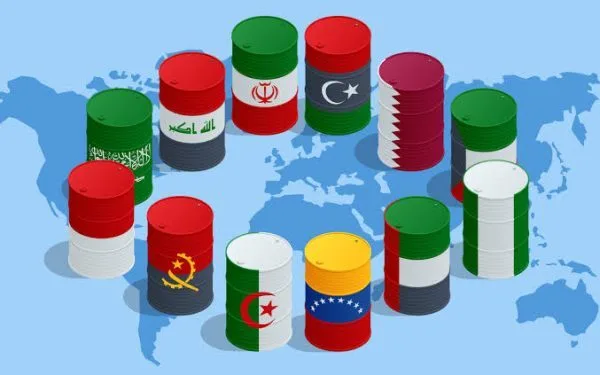
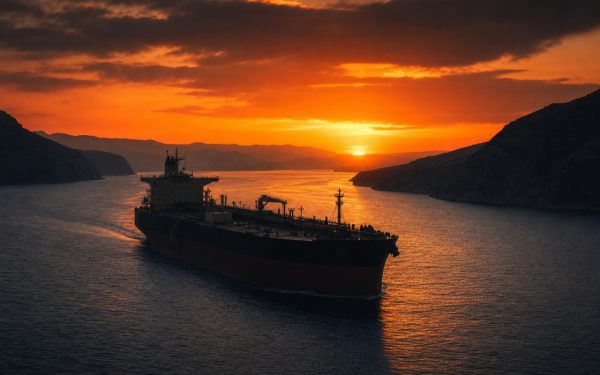
The Strait of Hormuz is a narrow sea route between Iran and Oman. It is one of the world’s most important oil chokepoints. A chokepoint is a narrow route where trade can get stuck.
About 20% of the world’s oil passes through it, according to the US Energy Information Administration. That is roughly 20 million barrels a day. A barrel is a standard oil measure equal to about 159 litres.
So when the Trump Iran threat makes traders nervous, oil prices often react first. Even if no route closes, fear alone can move prices. That can affect petrol, flights, shipping, and inflation.
Why this mattersKey numbers linked to the crisis20% of global oil via Hormuz~20 million barrels a day20x response warning
How could the Trump Iran threat affect oil and markets?
Oil markets hate surprise. So they react fast to war signals, especially near key shipping lanes. Brent crude is a global oil benchmark. A benchmark is a price used as a common reference.
If tankers face delays, oil can get costlier within hours. Insurance costs for ships can also rise. That extra cost often travels down the line to buyers.
Investors also watch stock indexes, bond yields, and the dollar. A bond yield is the return an investor gets from a bond. When fear rises, people often move money into assets they see as safer.
India cares a lot here because it imports most of its crude oil. Costlier oil can hurt companies and family budgets. That is one reason readers also tracked our report on Sensex and Nifty falling on renewed US-Iran tension.
| Risk point | What it could do | Why it matters |
|---|---|---|
| Iran-US strike cycle | More military action | Can widen the conflict fast |
| Strait of Hormuz disruption | Oil supply delays | Can lift global crude prices |
| Higher shipping insurance | Costlier transport | Can push fuel and goods prices up |
| Market panic | Stocks may fall | Investors pull money from risky assets |
Is this a new war or a warning?
Right now, the Trump Iran threat is mainly a warning. But warnings matter because they shape what armies, diplomats, and traders do next. A diplomat is a government official who works on talks between countries.
Trump’s words fit a pressure strategy. The idea is to look so tough that Iran backs off. But this approach can cut both ways, since strong threats can also harden the other side.
That is why markets follow not just speeches but actions. They watch troop moves, air strikes, drone launches, and shipping advisories. They also watch official notices from the White House and the Pentagon.
What does the Trump Iran threat mean for India?
For India, the first issue is energy. India buys a large share of its crude from abroad, so any oil shock matters fast. A shock means a sudden event that changes prices sharply.
If crude rises by $5 to $10 a barrel, fuel bills can climb. Airlines, truck fleets, and factories feel that pain quickly. Families may not see it on day one, but higher transport costs can spread into food and daily goods.
There is also a market angle. Foreign investors often turn cautious during war scares. That connects with our coverage of record FPI buying in Indian government bonds, because safer debt can attract money when stocks look shaky.
The broader economy can also feel the strain. Slower world growth and pricier oil are a bad mix. That is why our readers may also want context from the story on the IMF cutting India’s FY27 growth forecast.
Why this warning is bigger than one headline
The Trump Iran threat is not just a political quote. It is a signal that any small clash could become much bigger. In fact, that risk is what keeps oil desks, airlines, shipping firms, and governments on edge.
Here is the clearest way to say it: if the US and Iran move from threats to repeated strikes, the first global impact is likely to be higher oil prices and jumpy markets. That short chain is why a statement made in Washington can hit wallets in Mumbai.
We have seen this pattern before. When the region heats up, crude often spikes first, then stocks wobble, and then central banks and finance ministries start watching inflation more closely. Inflation means prices rising across the economy.
Meanwhile, this story also fits a wider trend. Geopolitics now moves markets almost as much as earnings do. Geopolitics means how global power fights shape trade, war, and diplomacy.
What should readers watch next?
First, watch whether Iran or Iran-linked groups respond in any direct way. Second, watch for US force movements in the Gulf. Third, watch crude prices around market open in Asia, Europe, and the US.
Also keep an eye on tanker traffic through Hormuz. If ships slow, reroute, or face warnings, traders may price in more risk. Even without a blockade, delays alone can move markets.
The Trump Iran threat will matter most if it changes real-world decisions. So the next clues are not fancy. They are ships moving, planes flying, and oil climbing.
FAQs
What is the Trump Iran threat?
It is Trump’s warning that the US would retaliate much more strongly if Iran attacks. He said any response could be 20 times harder.
Why does the Strait of Hormuz matter?
It carries about one-fifth of the world’s oil. So trouble there can lift crude prices very quickly.
How could this affect India?
India imports most of its oil. If crude rises, fuel, transport, and some everyday costs can rise too.
Get the day’s top stories in your inbox
One concise email. No spam, unsubscribe anytime.