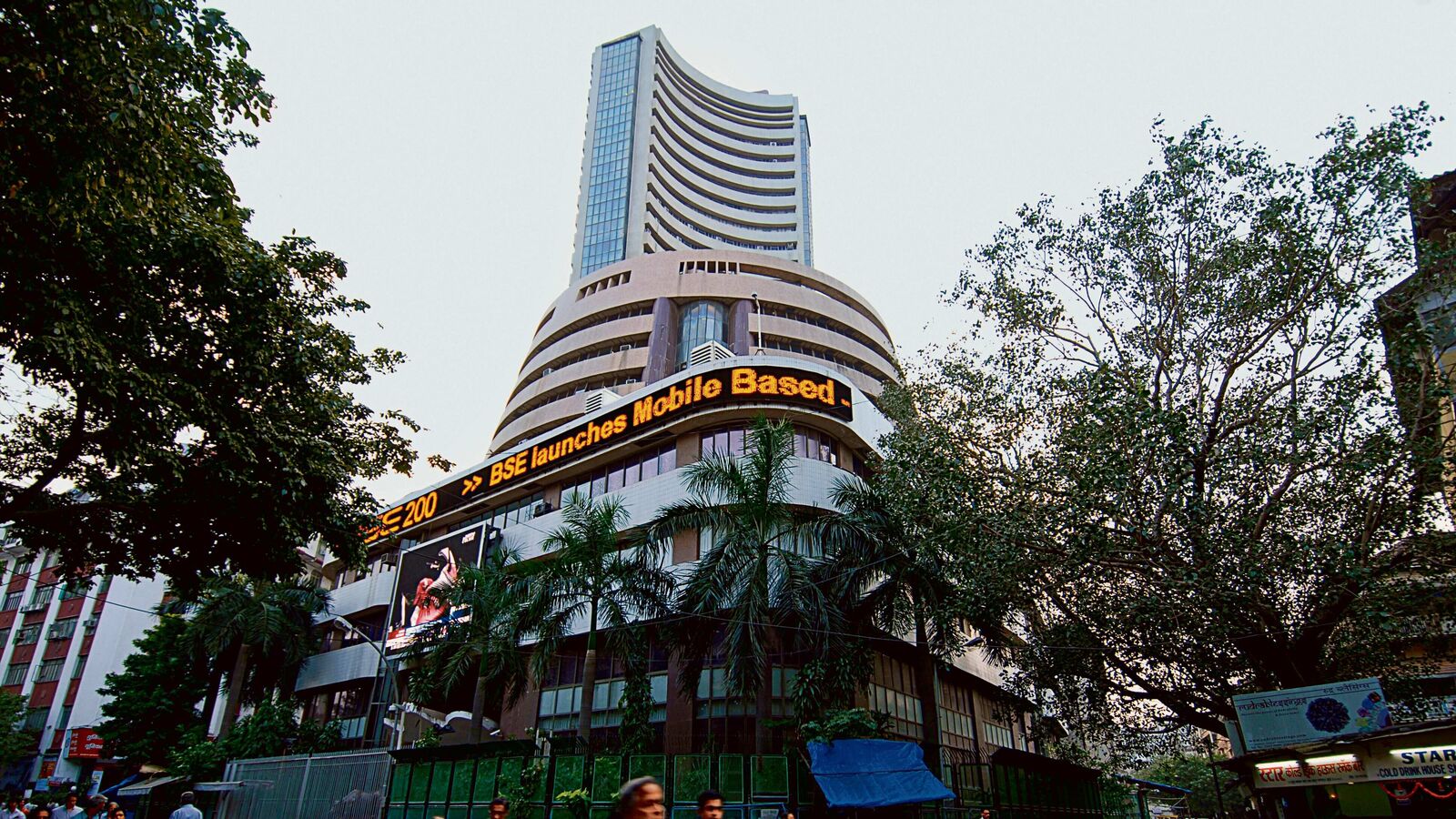
Indian equity markets witnessed a sharp sell-off, with the BSE Sensex plunging 1,677 points and the Nifty 50 closing at 23,882, as renewed geopolitical tensions between the United States and Iran rattled global investors. The escalation in the Middle East triggered a surge in crude oil prices, prompting widespread selling across sectors and wiping out significant investor wealth on Dalal Street.
The market decline came after U.S. President Donald Trump declared that the ceasefire framework with Iran was “over,” reigniting fears of prolonged conflict in a region critical to global oil supplies. As Brent crude prices jumped sharply, concerns over inflation, India’s import bill, and corporate earnings weighed heavily on investor sentiment.
Sensex Crashes 1,677 Points, Nifty Ends Below 24,000
The benchmark BSE Sensex ended the session down 1,677 points, while the Nifty 50 settled at 23,882, marking one of the steepest single-day declines in recent months.
The sell-off was broad-based, with all major sectoral indices ending in the red. Banking, information technology, auto, metals, and oil-sensitive sectors witnessed significant losses as investors rushed to reduce risk exposure amid rising geopolitical uncertainty.
US-Iran Tensions Trigger Global Risk-Off Sentiment
Investor confidence weakened after renewed military escalation between the United States and Iran raised fears of further disruption in the Middle East.
The region is home to key global energy shipping routes, and any prolonged conflict could affect crude oil supplies. The latest developments prompted investors to move away from equities and toward safer assets, leading to heavy selling across global markets.
Rising Oil Prices Hurt Indian Markets
India imports the majority of its crude oil requirements, making higher oil prices a significant concern for the economy.
A sustained increase in crude prices can lead to:
- Higher inflation.
- Increased import costs.
- Pressure on the current account deficit.
- Reduced corporate profit margins.
- Higher transportation and manufacturing costs.
- Pressure on the Indian rupee.
These concerns weighed heavily on sectors that are particularly sensitive to fuel costs, including aviation, automobiles, logistics, and consumer goods.
Broad-Based Selling Across Sectors
The decline was not limited to a few stocks, with selling witnessed across most sectors.
Among the major laggards were:
- Banking and financial services.
- Information technology.
- Automobile companies.
- Oil and gas stocks.
- Metals.
- Consumer goods.
Broader market indices also declined, reflecting weak investor sentiment across both large-cap and mid-cap stocks.
What Investors Are Watching
Market participants are closely monitoring several developments that could influence sentiment in the coming days, including:
- Further developments in the US-Iran conflict.
- Movement in global crude oil prices.
- Foreign institutional investor (FII) flows.
- Corporate earnings announcements.
- Central bank policy signals.
- Global market trends.
Any easing in geopolitical tensions or stabilization in oil prices could help improve market sentiment, while further escalation may keep volatility elevated.
Outlook
The sharp decline in Indian equities underscores the sensitivity of financial markets to geopolitical developments, particularly those affecting global energy supplies. With the Sensex falling 1,677 points and the Nifty slipping below the 24,000 mark, investors are likely to remain cautious until there is greater clarity on the US-Iran situation and its impact on crude oil prices.
While short-term volatility may persist, analysts believe market direction will depend on geopolitical developments, upcoming corporate earnings, and the trajectory of global oil prices in the weeks ahead.
Get the day’s top stories in your inbox
One concise email. No spam, unsubscribe anytime.