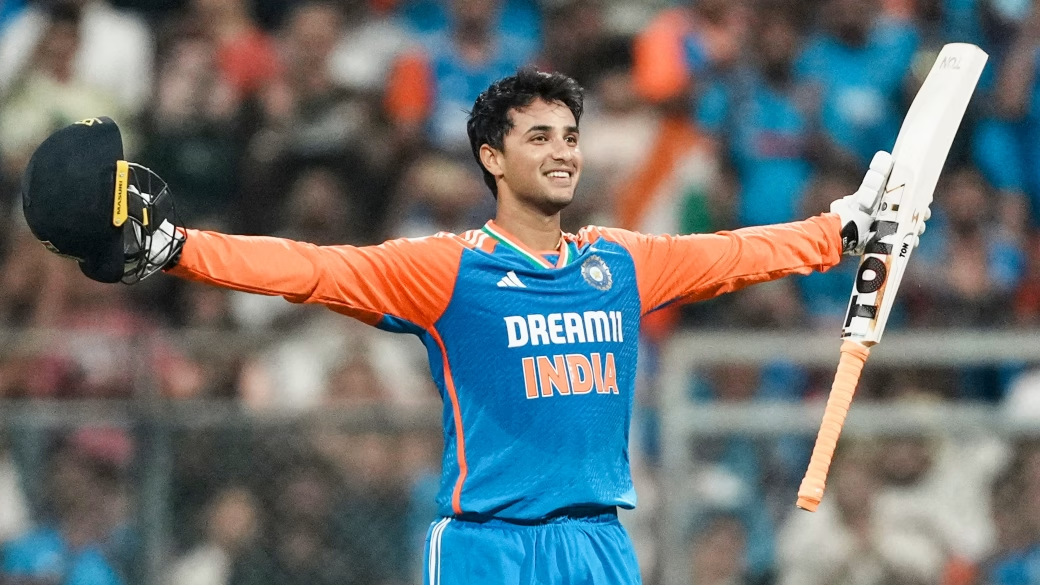
Indian cricketer Abhishek Sharma has approached the Delhi High Court seeking protection of his personality rights, alleging the unauthorized use of his name, image, likeness, and identity across digital platforms, including content generated using artificial intelligence (AI). The petition adds to a growing number of legal actions by public figures seeking judicial safeguards against the misuse of their identities in the digital era.
The case highlights the increasing legal challenges posed by AI-generated content, deepfakes, and unauthorized commercial exploitation of celebrity identities, with courts increasingly being called upon to balance technological innovation with intellectual property and privacy rights.
Abhishek Sharma Moves Delhi High Court
Abhishek Sharma has filed a civil suit before the Delhi High Court seeking protection against the alleged unauthorized use of his personality attributes.
The cricketer has requested the court to restrain individuals and online platforms from using his:
- Name.
- Photograph.
- Image and likeness.
- Voice.
- Identity.
- Other personality attributes.
According to the petition, such unauthorized use infringes his personality and publicity rights while potentially misleading the public.
AI-Generated Content Under Scrutiny
A key aspect of the case relates to the alleged misuse of AI-generated content.
The petition claims that artificial intelligence tools are being used to create manipulated or synthetic content featuring Abhishek Sharma without his consent. Such content may include altered images or digitally generated material capable of misleading viewers or commercially exploiting the cricketer’s identity.
The case reflects growing concerns over the impact of generative AI and deepfake technologies on public figures and their digital identities.
Court Notes Fine Line Between Personality Rights and Defamation
During the hearing, the Delhi High Court observed that there is a “thin line” between violations of personality rights and defamation.
The court indicated that the issues raised in the case involve evolving legal questions concerning the protection of individual identity in the age of artificial intelligence and digital media. The matter has been listed for further proceedings as the court examines the scope of relief sought by the cricketer.
What Are Personality Rights?
Personality rights—also known as publicity rights—allow individuals, particularly public figures, to control the commercial use of their identity.
These rights generally protect:
- Name.
- Photograph.
- Signature.
- Voice.
- Likeness.
- Distinctive personal attributes.
Unauthorized commercial use of these elements may give rise to legal claims involving privacy, passing off, copyright, trademark, or unfair commercial exploitation.
Growing Trend Among Celebrities
Abhishek Sharma joins a growing list of celebrities and public personalities seeking judicial protection against unauthorized digital exploitation.
In recent months, several actors, politicians, sportspersons, and other public figures have approached Indian courts seeking injunctions against AI-generated deepfakes, fake endorsements, impersonation, and misuse of their identities on online platforms. Courts have increasingly recognized the need to safeguard personality rights as AI technologies become more sophisticated.
AI and Copyright Challenges Continue to Evolve
The rapid adoption of generative AI has intensified legal debates surrounding ownership, consent, and digital identity.
Courts worldwide are increasingly being asked to address questions involving:
- AI-generated deepfakes.
- Unauthorized image manipulation.
- Digital impersonation.
- Commercial exploitation of identity.
- Privacy rights.
- Intellectual property protection.
India’s legal framework in this area continues to evolve as courts consider how existing laws should apply to emerging AI technologies.
Outlook
Abhishek Sharma’s petition represents another significant legal challenge involving artificial intelligence and personality rights in India. As AI-generated content becomes more realistic and widely accessible, courts are expected to play a crucial role in defining the legal boundaries governing the use of an individual’s identity online.
The outcome of the case could contribute to the development of India’s jurisprudence on personality rights, digital privacy, and AI-generated content, offering greater clarity for creators, technology companies, and public figures alike.
Get the day’s top stories in your inbox
One concise email. No spam, unsubscribe anytime.