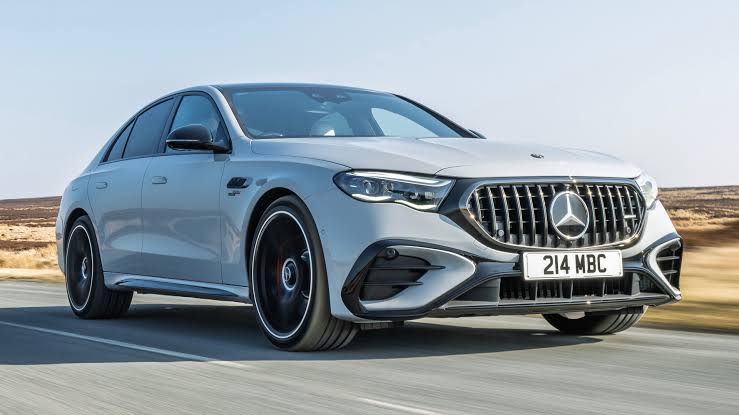
Mercedes-Benz India has called for a phased and technology-neutral transition to higher ethanol-blended fuels, emphasizing that the country’s shift toward cleaner mobility should account for vehicle compatibility, infrastructure readiness, and consumer interests. The luxury automaker said a gradual approach would help ensure a smooth transition while minimizing potential challenges for both manufacturers and customers.
The remarks come as India continues to expand its ethanol blending program to reduce crude oil imports, lower emissions, and strengthen energy security. Automakers are increasingly adapting their products to meet evolving fuel standards while balancing performance, durability, and regulatory requirements.
Mercedes-Benz India Backs Gradual Ethanol Transition
Mercedes-Benz India has urged policymakers to adopt a phased approach to introducing higher ethanol blends, arguing that a gradual rollout would allow the automotive industry adequate time to upgrade vehicles and supporting infrastructure.
The company believes that predictable policy implementation would enable manufacturers to develop compatible technologies while giving consumers sufficient time to adapt to new fuel standards.
Why Higher Ethanol Blends Matter
India has been steadily increasing ethanol blending in petrol as part of its broader energy transition strategy.
Higher ethanol blends offer several potential benefits, including:
- Reduced dependence on imported crude oil.
- Lower greenhouse gas emissions.
- Increased demand for domestically produced biofuels.
- Additional income opportunities for farmers.
- Improved energy security.
The government has been encouraging fuel suppliers and automakers to prepare for higher blending levels in the coming years.
Vehicle Compatibility Remains Important
Mercedes-Benz India noted that not all vehicles are designed to operate on higher ethanol blends.
Moving too quickly could create challenges related to:
- Engine compatibility.
- Fuel system durability.
- Long-term vehicle performance.
- Maintenance requirements.
- Customer awareness.
The company stressed that any transition should consider the existing vehicle fleet alongside future models engineered for higher ethanol concentrations.
Technology-Neutral Approach
The luxury carmaker also reiterated its support for a technology-neutral pathway toward cleaner mobility.
Rather than relying on a single solution, Mercedes-Benz believes India’s decarbonization strategy should include multiple technologies, such as:
- Battery electric vehicles.
- Hybrid vehicles.
- Sustainable biofuels.
- Hydrogen-powered mobility.
- Improved internal combustion engine technologies.
A diversified approach, the company argues, would allow consumers and businesses to adopt solutions best suited to their needs while supporting national climate goals.
India’s Push for Cleaner Fuels
India has significantly increased ethanol blending over the past few years through initiatives aimed at reducing fossil fuel dependence and promoting renewable fuels.
The ethanol blending program forms part of a broader strategy that includes:
- Expansion of electric mobility.
- Development of alternative fuels.
- Investment in renewable energy.
- Improvements in fuel efficiency.
- Strengthening domestic energy production.
These initiatives are intended to support India’s long-term environmental and energy security objectives.
Balancing Sustainability and Consumer Needs
Mercedes-Benz India emphasized that sustainability efforts should be implemented in a manner that protects customer interests and ensures product reliability.
The company believes collaboration between policymakers, fuel producers, and automobile manufacturers will be essential to achieving a successful transition without disrupting consumers or the automotive industry.
Industry-wide coordination will also help ensure adequate fuel availability, compatible vehicle technologies, and public awareness as higher ethanol blends become more widely available.
Outlook
Mercedes-Benz India’s call for a phased transition to higher ethanol blends reflects the broader challenge of balancing ambitious climate goals with practical implementation. As India advances its biofuel strategy, automakers are seeking clear policy direction and sufficient lead time to develop compatible technologies and prepare customers for the transition.
A gradual and technology-neutral approach could help support cleaner transportation while maintaining vehicle performance, consumer confidence, and the long-term sustainability of India’s automotive sector.
Get the day’s top stories in your inbox
One concise email. No spam, unsubscribe anytime.