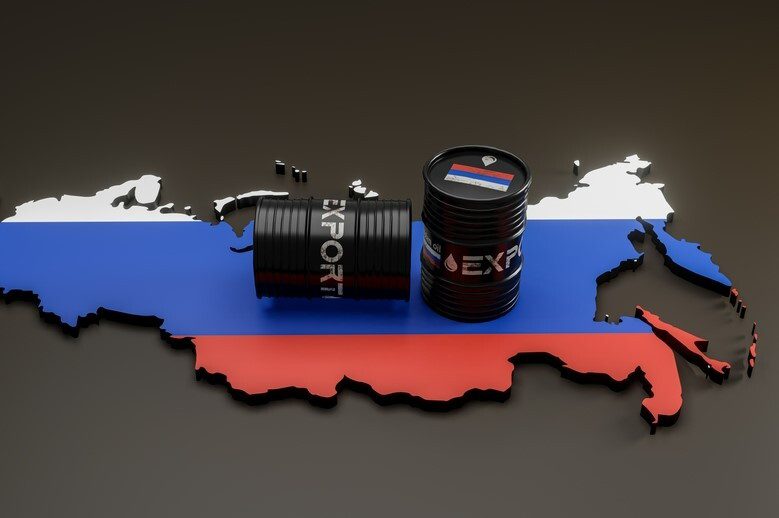
Discounts on Russia’s flagship Urals crude have widened to more than $10 per barrel below Brent crude for buyers in India, as weaker demand and abundant supply weigh on the market. The wider discounts are expected to make Russian oil increasingly attractive for Indian refiners, who have emerged as some of the largest buyers of Russian crude since Western sanctions reshaped global energy trade.
The price gap comes amid softer buying interest, ample availability of Russian cargoes, and changing dynamics in global oil markets. As a result, Indian refiners could benefit from lower import costs, although purchasing decisions will continue to depend on freight rates, refining margins, and geopolitical developments.
Urals Crude Discounts Cross $10 Per Barrel
According to market sources, Russian Urals crude is now being offered at discounts exceeding $10 per barrel compared with Brent crude for deliveries to India.
The widening discount reflects weaker demand for Russian cargoes in some markets and increased competition among sellers looking to secure buyers. The larger price gap enhances the competitiveness of Russian crude against other grades available to Indian refiners.
Weak Demand Drives Larger Discounts
The primary factor behind the wider discounts is subdued demand for Russian oil.
Market participants say slower purchasing activity, coupled with ample supplies, has prompted exporters to offer deeper price cuts to maintain sales volumes. Volatility in global crude markets and evolving geopolitical conditions have also influenced pricing.
The increased availability of discounted cargoes has created favorable buying opportunities for import-dependent countries such as India.
Why Indian Refiners Prefer Russian Oil
Russian crude has become an important part of India’s energy imports over the past few years due to its attractive pricing.
The wider discounts offer several potential advantages:
- Lower crude procurement costs.
- Improved refining margins.
- Greater flexibility in sourcing.
- Reduced import expenses.
- Enhanced competitiveness for fuel exports.
Indian refiners continue to evaluate Russian cargoes alongside supplies from the Middle East, Africa, and the United States based on price and logistics.
Brent-Urals Price Gap Matters
Brent crude serves as the global benchmark for oil pricing, while Urals is Russia’s primary export blend.
A wider discount between the two benchmarks makes Russian crude more economical for buyers capable of processing the grade. For refiners, lower feedstock costs can improve profitability, particularly when demand for refined petroleum products remains stable.
However, the final economics also depend on shipping costs, insurance, payment mechanisms, and refining configurations.
India’s Role in Russian Oil Trade
India has become one of the largest importers of Russian crude following the reconfiguration of global energy trade.
Discounted Russian oil has helped Indian refiners diversify supply sources while managing input costs. A significant portion of the imported crude is refined into products such as diesel, petrol, and aviation fuel for both domestic consumption and exports.
The country’s purchasing strategy continues to be guided by commercial considerations and energy security objectives.
Outlook
The widening of Urals crude discounts to more than $10 per barrel below Brent provides Indian refiners with another opportunity to secure lower-cost crude amid changing global market conditions. While weaker demand has pressured Russian prices, the attractive discounts could encourage additional purchases if refining economics remain favorable.
Going forward, the trajectory of Russian crude discounts will depend on global oil demand, OPEC+ production policies, geopolitical developments, and the availability of competing crude grades. For India, discounted imports are likely to remain an important component of its strategy to ensure affordable and diversified energy supplies.
Get the day’s top stories in your inbox
One concise email. No spam, unsubscribe anytime.