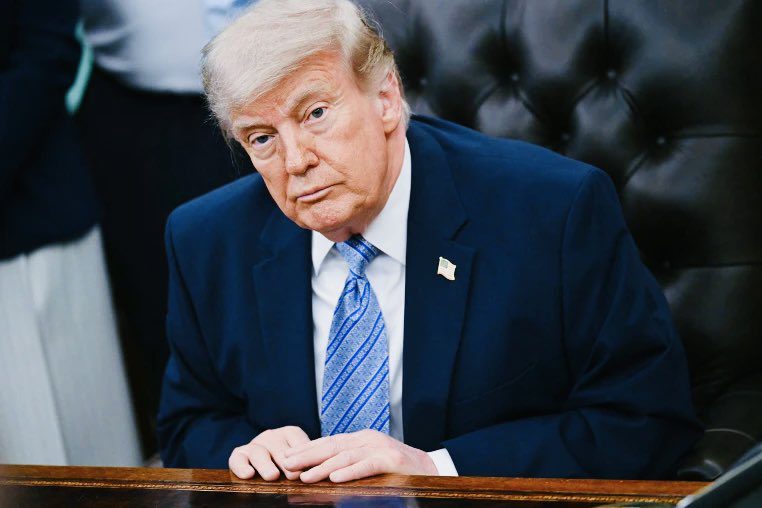
U.S. President Donald Trump has ordered his administration to cut off all trade with Spain, escalating tensions between Washington and Madrid over defense spending and Spain’s stance during the Iran conflict. The announcement, made during the NATO summit in Ankara, marks a dramatic deterioration in bilateral relations and raises fresh uncertainty over transatlantic trade and diplomatic ties.
The move follows months of friction between the two allies, with Trump accusing Spain of failing to meet NATO defense spending commitments and criticizing the country for refusing to grant the U.S. access to Spanish military bases and airspace during operations linked to the Iran conflict.
Trump Orders Trade Cutoff With Spain
Speaking at the NATO summit, Trump said he had instructed Treasury Secretary Scott Bessent to immediately halt all trade with Spain.
The U.S. president described Spain as a “terrible partner” in NATO and said he no longer wanted commercial relations with the country. His remarks represent one of the strongest trade threats made against a NATO ally during his presidency.
Why Trump Targeted Spain
The latest dispute stems from two major issues:
- Spain’s refusal to meet NATO’s new defense spending target.
- Madrid’s decision to deny U.S. access to Spanish airspace and military bases during the Iran conflict.
Trump argued that Spain has not contributed enough to the alliance while continuing to benefit from economic ties with the United States.
Questions Remain Over Implementation
While Trump announced the trade cutoff, it remains unclear how or when such measures would be implemented.
Spain is a member of the European Union, meaning trade policy is largely governed at the EU level rather than through bilateral agreements. Any attempt to suspend trade could face legal, diplomatic, and economic challenges, while details of the administration’s proposed measures have not yet been released.
Markets React to Trade Threat
The announcement weighed on Spanish financial markets, with shares of major Spanish companies coming under pressure as investors assessed the potential impact of deteriorating U.S.-Spain relations.
Analysts noted that uncertainty surrounding the scope of any trade restrictions contributed to the market reaction, although the practical implementation of a complete trade halt remains uncertain.
Potential Impact on Businesses
If implemented, restrictions on U.S.-Spain trade could affect several industries, including:
- Automotive manufacturing.
- Food and agriculture.
- Pharmaceuticals.
- Industrial equipment.
- Consumer goods.
- Tourism and related services.
Businesses operating across both markets could face higher costs, supply chain disruptions, and increased regulatory uncertainty.
NATO Tensions Escalate
The trade announcement also highlights broader disagreements within NATO over defense spending and burden-sharing.
Trump has repeatedly urged European allies to increase military expenditure, arguing that countries failing to meet agreed targets place an unfair burden on the United States. Spain has remained one of the alliance members facing criticism over its defense spending levels.
Outlook
Trump’s order to cut off all trade with Spain marks a sharp escalation in tensions between the two NATO allies and introduces new uncertainty into U.S.-EU economic relations. While the announcement has already unsettled financial markets, the legal and practical path toward implementing a complete trade cutoff remains unclear.
Investors, businesses, and policymakers will now be closely watching for further details from the U.S. administration and any response from Spain or the European Union as the diplomatic dispute continues to unfold.
Get the day’s top stories in your inbox
One concise email. No spam, unsubscribe anytime.