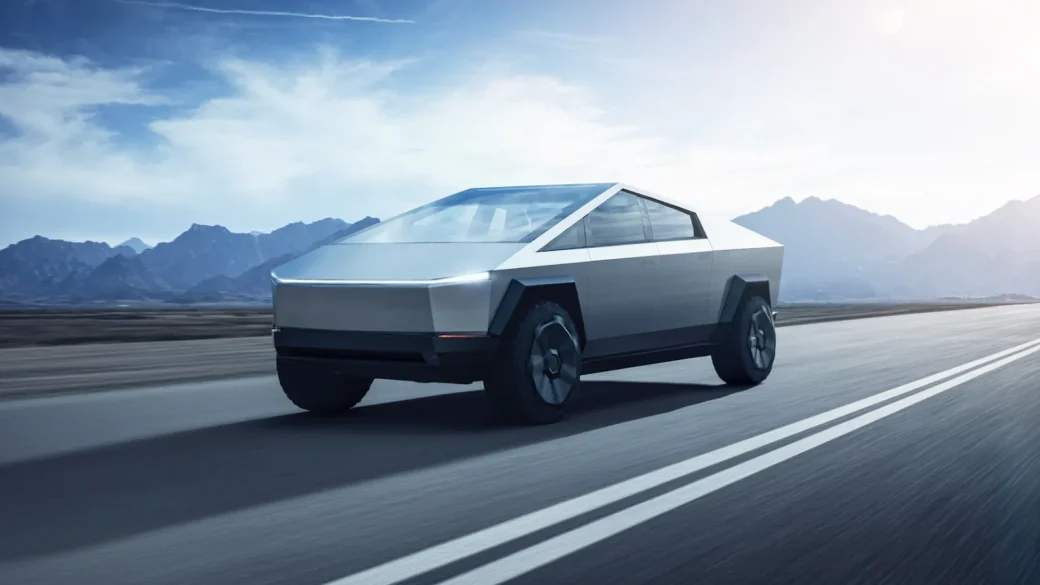
Tesla has quietly reached a legal settlement with the family of an Arizona pedestrian who was struck and killed by a Model Y operating under the company’s “Full Self-Driving” (FSD) software.
The agreement, confirmed on Friday, June 26, 2026, successfully avoids a high-stakes public trial for Tesla. However, the specific crash behind the lawsuit remains under intense scrutiny as the foundational catalyst for an active, multi-million-vehicle federal safety probe.
1. The Crash Behind the Case
The lawsuit stems from a fatal collision that occurred on November 28, 2023, on an Arizona highway between Phoenix and Flagstaff:
- The Victim: Johna Story, a 71-year-old grandmother, had stepped out of her own vehicle onto the highway to act as a Good Samaritan—helping direct oncoming traffic away from an earlier multi-car pileup.
- The Environmental Factor: The initial accident had been triggered by severe, blinding sun glare.
- The Impact: While Story was directing traffic, a Tesla Model Y traveling at a high rate of speed while actively engaging FSD struck and killed her. Her death marked the first known pedestrian fatality directly linked to Tesla’s FSD automation.
 [ Blinding Sun Glare ] ──► Causes initial multi-car crash on Arizona highway.
                                     │
                                     ▼
 [ Pedestrian Exits Car] ──► 71-year-old Johna Story steps out to direct traffic.
                                     │
                                     ▼
 [ The System Blindspot ]──► Model Y in FSD mode fails to recognize pedestrian.
                                     • Strikeback kills pedestrian; triggers federal probe.
2. A Pattern of Risk Mitigation
While attorney Dustin Birch, representing Story’s daughter, stated that his client was “happy to put this behind her,” the financial terms of the settlement remain strictly confidential.
The resolution fits into a clear corporate defensive pattern. Following a historic Florida courtroom loss where a jury found Tesla 33% liable for an Autopilot crash and handed down a staggering $243 million judgment, the automaker has settled at least six separate high-profile automated-driving lawsuits out of court. Legal analysts point out that Tesla has immense incentive to prevent a case involving a deceased Good Samaritan and a documented camera-visibility flaw from ever reaching a jury.
3. The Shadow of the 3.2 Million-Vehicle Federal Probe
While the private lawsuit is now officially off the docket, the regulatory fallout is actively escalating. The 2023 Arizona accident was the main trigger that prompted the National Highway Traffic Safety Administration (NHTSA) to launch a defect investigation.
In March 2026, federal regulators escalated that probe into a formal Engineering Analysis covering 3.2 million Tesla vehicles—the final mandatory regulatory step before the government can force a mass vehicle recall.
| Regulatory Flashpoint | NHTSA Core Finding | Tesla Engineering Pivot (Mid-2026) |
| Reduced-Visibility Failures | In a review of nine low-visibility FSD crashes, the software completely failed to detect common roadway obstacles or register that its camera view was compromised until a split-second before impact. | Tesla VP of Vehicle Engineering Lars Moravy confirmed the company recently redesigned its camera hardware units on assembly lines. |
| System Degradation Alerts | NHTSA noted that Tesla’s system failed to alert drivers to take over when the camera’s sight was blocked by sun glare, dust, or fog. | Tesla AI executive Ashok Elluswamy stated that recent software builds now deploy stricter camera checks. If a lens is partially blinded by residue or glare, the car will lockout and refuse to allow FSD to activate. |
The settlement clears immediate litigation risk for Elon Musk’s robotaxi and autonomous software push, but the open NHTSA engineering analysis continues to target the core vulnerability of Tesla’s pure-camera, radar-free approach to automation.