In tandem with crossing the ₹20,000 crore milestone in packaged foods, ITC Limited has announced that its high-stakes bet on premium, digital-first, and organic brands has officially crossed an Annual Revenue Run Rate (ARR) of over ₹1,350 crore in FY26.
The milestone marks a 60% year-on-year growth trajectory for this specific portfolio, signaling that the company’s “ITC Next” acquisition playbook is beginning to pay heavy dividends.
1. The Fuel Behind the Surge: The New-Age Roster
Instead of building health, wellness, and organic brands from scratch, ITC has spent the last few years aggressively absorbing high-potential D2C (Direct-to-Consumer) and premium startups. This ₹1,350 crore run-rate is being driven by five primary brands:
- 24 Mantra Organic: Acquired via Sresta Natural Bioproducts, this brand acts as ITC’s anchor in the fast-growing certified organic staples space.
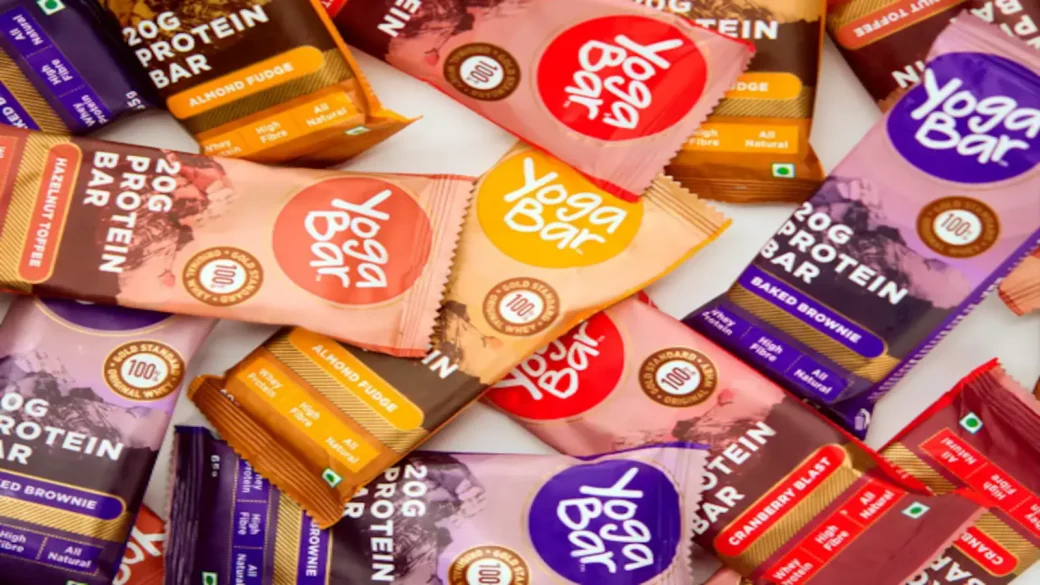
- Yoga Bar: The health-snack brand has scaled rapidly across quick-commerce networks, capturing urban consumers looking for clean-label protein bars, muesli, and healthy breakfast items.
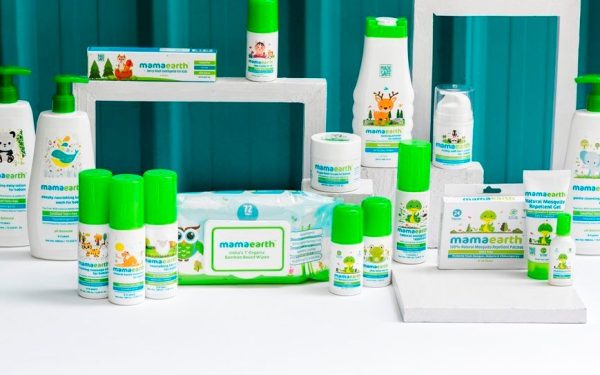
- Mother Sparsh: A premium, Ayurvedic-focused baby and personal care brand expanding ITC’s footprint outside of its traditional grocery segments.
- Prasuma & Meatigo: Providing the core infrastructure for ITC’s high-margin, premium frozen snacks and cold cuts distribution.
 [ FY25 Digital & Organic Track ] ──► Building scale; early integration phase
                                                 │
                                                 ▼ (+60% YoY Growth Supercycle)
 [ FY26 Run Rate (ARR)          ] ──► Breaks past ₹1,350 Crore
                                      • Core Engines: Yoga Bar, 24 Mantra, Mother Sparsh, Prasuma
2. Omnichannel & “Channels of the Future”
The rapid scaling of these new-age brands is tightly linked to a massive structural shift in how ITC unloads its products. The conglomerate’s distribution model is no longer tethered strictly to traditional mom-and-pop (Kirana) stores:
- The 34% Blueprint: Digitally enabled sales channels (E-Commerce and Quick Commerce) combined with modern brick-and-mortar retail now contribute 34% of ITC’s total FMCG revenue.
- The Quick Commerce Boom: Brands like Yoga Bar and Prasuma have experienced explosive velocities due to dark-store delivery networks (like Blinkit, Zepto, and Instamart) matching the immediate impulse needs of tier-1 city buyers.
- AI-Driven Execution: To manage this massive omnichannel push, ITC is deploying a suite of 25+ proprietary AI/ML-powered applications to track inventory shelf-life and optimize real-time dispatch routes across 50 warehouses nationwide.
3. The Broader FMCG Picture
The hyper-growth of the digital-first segment helped elevate ITC’s overall non-cigarette FMCG segment revenue to ₹24,209.75 crore in FY26 (a 10.1% YoY increase), with segment profits climbing 14.1% to ₹1,802.63 crore.
The Industry Peer Map
ITC is not the only legacy giant using inorganic acquisitions to clear out digital white spaces. The broader Indian FMCG ecosystem has seen a massive consolidation of D2C players:
- Hindustan Unilever (HUL): Its acquired digital-first bets, including Minimalist and Oziva, have similarly crossed major structural revenue thresholds.
- Marico: Successfully scaled its digital-acquired arms, Beardo and Plix, past the ₹1,000 crore milestone.
By using its immense supply chain muscle and deep wallet to hyper-scale these smaller, agile premium brands, ITC is systematically building a future-proof consumer portfolio tailored for India’s evolving, health-conscious digital shopper.