In a massive milestone for India’s consumer goods sector, conglomerate ITC Limited has announced that its packaged foods business has officially crossed the $2 billion revenue mark, with gross sales hitting ₹20,504 crore.
According to the company’s latest annual report for the financial year, the packaged foods division registered a roaring 12% year-on-year growth, bouncing back strongly from a milder 6% growth rate recorded in the previous fiscal cycle. The milestone firmly cements ITC’s position as a dominant titan in India’s fast-moving consumer goods (FMCG) landscape.
1. The Anchors of Growth: Top Brands Drive the Volume
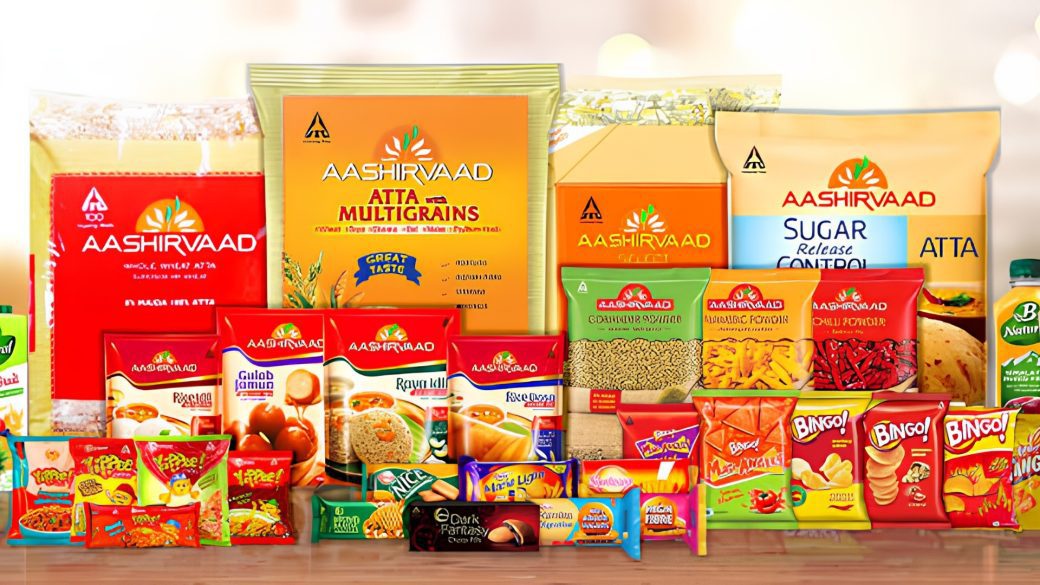
The food business remains the single largest and fastest-growing contributor to ITC’s non-cigarette FMCG sales, powered heavily by a strategy focused on premiumization and category expansion. Several flagship brands within the portfolio have maintained clear market leadership:
- Aashirvaad: Continues to reign as the absolute undisputed market leader in India’s branded atta (wheat flour) segment.
- Bingo!: Holds the No. 1 spot nationwide in the “bridges” segment of the salty snack foods market.
- Sunfeast: Commands the top slot in the cream biscuits category. The brand recently launched specialized regional variants—like its Vitamin D-enriched Sunfeast Marie Light—specifically targeting nutrient deficiencies in eastern Indian markets.
- YiPPee!: Maintained its tight grip as the second-largest brand in India’s highly competitive instant noodles market.
 [ FY25 Packaged Food Growth ] ──► +6% Year-on-Year Modest Traction
                                             │
                                             ▼ (FY26 Premiumization & Policy Tailwinds)
 [ FY26 Packaged Food Sales  ] ──► +12% Surge ──► Sweeps Past ₹20,504 Crore ($2 Billion+)
                                  • Anchored by Aashirvaad, Bingo!, Sunfeast, and YiPPee!
2. Macro Tailwinds and Consumer Behavior
The significant spike in revenue was catalyzed by a progressive improvement in overall macroeconomic sentiment and consumer spending patterns across India over the latter half of the fiscal year:
| Operational Metric | Performance Data | Strategic Undercurrents |
| Total FMCG Consumer Spend | Hit ₹37,000 Crore (Up 9% YoY) | Includes trade margins and GST. ITC products have now successfully penetrated over 28 crore Indian households. |
| Non-Food FMCG Verticals | Grew 2% to ₹3,810 Crore | Comprises education and stationery (Classmate notebooks), personal care (Fiama, Vivel), matches, and Mangaldeep agarbattis. |
| Channel Digitization | Commanding 31% of Sales | Together, E-Commerce platforms, modern retail stores, and Quick Commerce delivery networks have expanded rapidly from just 17% pre-pandemic. |
The momentum was further amplified by localized fiscal buffers, including personal income tax cuts, stabilized rural demand via a favorable monsoon, and direct reductions in goods and services tax (GST) rates on specific high-margin packaged food tiers.
3. Diversification Beyond the Cigarette Core
While the packaged foods business is hitting historic highs, cigarettes still remain ITC’s largest overall top-line financial engine, logging revenues of ₹37,099.65 crore (accounting for roughly 45.9% of the company’s gross annual revenue of ₹80,867.49 crore).
However, with the company aggressively flagging severe legal cigarette tax hikes and a rising wave of illicit, untaxed smuggling as a major upcoming headwind, the massive scaling of the foods business provides a vital corporate hedge.
To future-proof its numbers, ITC is leaning heavily into health-focused adjacencies. The company recently rolled out “Right Shift,” an expansive new nutrition and dietary lifestyle brand curated explicitly for health-conscious consumers aged 45 and above. Backed by a targeted ₹20,000 crore medium-term capital expenditure plan to scale up automated integrated manufacturing and logistics facilities across the country, ITC is aggressively utilizing its food division to spearhead its transition from a tobacco giant into a diversified consumer conglomerate.