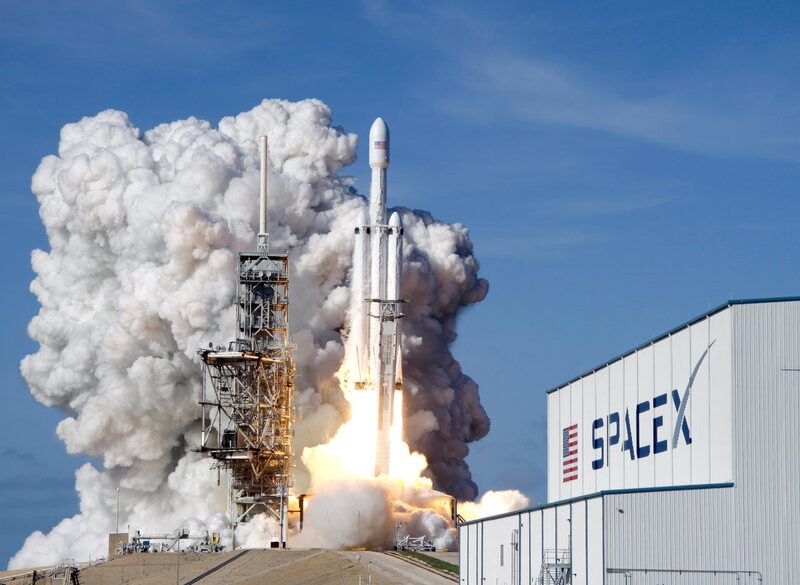
SpaceX has officially moved to eliminate its biggest launch-day logistical bottleneck, filing plans to build its own dedicated natural gas pipeline called “Starpipe” to directly fuel its Starship launch operations in Texas.
Recent regulatory filings with the Texas Railroad Commission by SpaceX affiliate Lone Star Mineral Development reveal that construction is slated to begin next month, with an aggressive deadline to have the pipeline fully operational by January 26, 2027.
1. Why Trucking In Fuel Fails at Scale
While it is highly unusual for an aerospace company to construct and manage its own fossil-fuel pipeline infrastructure, the sheer scale of the Starship architecture makes it an absolute necessity for Elon Musk’s long-term launch cadence goals:
- The Massive Consumption: A single fully stacked Starship launch consumes a staggering 630,000 gallons (2.4 million liters) of liquid methane (the primary component of natural gas) alongside liquid oxygen.
- The Trucking Logjam: Currently, providing enough fuel for a single flight requires hundreds of heavily loaded tanker trucks to drive into Boca Chica in a slow, hours-long logistics chain.
- The Cadence Target: While Starship has completed 12 test flights since 2023, SpaceX’s stated targets of launching dozens, hundreds, and eventually thousands of flights per year mean relying on standard highway tanker trucks is mathematically and logistically impossible.
[Legacy Logistics]  Hundreds of Tanker Trucks ──► Hours-Long Convoys ──► Caps Launch Cadence
                                                                             │
                                                                             ▼ (Starpipe Project)
[Pipeline System]   8-Mile "Starpipe" Line    ──► On-Site Liquefaction  ──► Enables Rapid Reuse & Launches
2. The Infrastructure Specifications
The pipeline project represents the first major physical phase of a broader, years-long energy strategy mapped out across Cameron County land records:
- The Direct Route: Starpipe will be a compact 8-mile (13-kilometer) dedicated pipeline terminating directly at SpaceX’s private company town of Starbase in South Texas.
- On-Site Refining: The incoming natural gas will feed straight into advanced automated chillers and on-site liquefaction plants, cooling the gas into sub-cooled liquid methane right at the launchpad.
- The Generator Loop: Beyond fueling the Raptor engines, industry analysts note the pipeline will likely supply gas to high-output on-site generators, providing independent electrical power to handle Starbase’s expanding industrial footprint.
3. Vertically Integrating the Wellhead to the Launchpad
The Starpipe project is not an isolated build—it links directly into Musk’s core strategy of absolute vertical integration. Over the last several years, SpaceX has quietly bought up oil and gas wells across Texas through its Lone Star mineral division.
| Operational Layer | Traditional Aerospace Model | SpaceX’s Integrated Blueprint |
| Fuel Sourcing | Purchase refined cryogenic propellant from commercial third-party chemical vendors. | Sovereign Wellheads: Sourcing natural gas directly from its own acquired mineral rights and extraction wells across Texas. |
| Logistics & Delivery | Contract third-party freight and tanker fleets, exposing operations to highway and supply chain delays. | Dedicated Flow: Shifting to continuous, un-throttled pipeline delivery right to the pad via the 8-mile Starpipe line. |
| Cost Matrix | High fixed marginal costs per launch due to outsourced energy processing. | Minimizes structural fuel delivery overhead, driving down the baseline cost of heavy-lift orbital access. |
By taking direct control of everything from the subterranean gas well to the rocket’s propellant tanks, SpaceX is laying the infrastructure to treat orbital launches less like bespoke scientific events and more like a continuous, high-frequency mass transit utility—essential for deploying massive orbital AI data center satellites, expanding Starlink, and eventually staging the massive fleet of refueled tankers required for Mars exploration.