In the most radical overhaul in its 89-year history, reports from Germany’s Manager Magazin and Reuters reveal that Volkswagen AG is planning to cut up to 100,000 jobs globally and permanently shut down four major manufacturing plants in Germany.
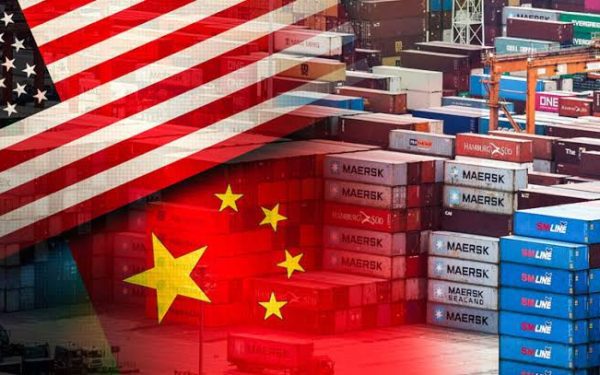
The staggering figure effectively doubles a previous workforce reduction target of 50,000 agreed upon in late 2024. The massive escalation highlights the intense pressure Europe’s largest automaker faces from rising Chinese electric vehicle (EV) competition, a cooling global EV market, and costly trade tariffs.
1. The Core Target: Four Historic German Plants
The blueprint, which CEO Oliver Blume presented to senior executives, aims to trim roughly 15% of VW’s massive global workforce (which stood at approximately 657,400 at the start of 2026).
The proposal includes entirely phasing out vehicle assembly at four massive facilities once their current production lifecycles end, putting more than 45,000 manufacturing jobs at immediate risk:
- Zwickau (Saxony): This closure is a massive psychological blow to VW’s future strategy. Zwickau was recently converted at a multi-billion-euro cost to be VW’s premier, exclusive EV hub. It has suffered repeated production pauses due to weak global demand for electric cars.
- Emden & Hanover: Two massive pillars of Volkswagen’s domestic passenger car and commercial van assembly lines.
- Neckarsulm: A primary factory hub for Volkswagen’s luxury subsidiary, Audi.
                 [ The Evolutionary Scale of VW's Downsizing ]
                                       │
     [ Late 2024 Union Pact ] ─────────┼─────────► Target: 50,000 Jobs Cut by 2030
                                       │           • 28,000 buyout packages already signed.
                                       │
                                       ▼ (June 26, 2026 Escalation Blueprint)
     [ New Extended Cost Cull ] ───────┴─────────► Total Target: Up to 100,000 Jobs Cut
                                                   • Shuts down 4 core German factories.
                                                   • Slashes 5-year R&D budget by 15%.
2. The Triad of Pressures Squeezing Wolfsburg
Volkswagen’s financial engine is taking hits from three separate macroeconomic angles, forcing CFO Arno Antlitz to target an aggressive €11 billion ($12.5 billion) reduction in structural overhead costs by the end of the decade:
| Pressure Vector | Direct Financial or Structural Consequence to Volkswagen |
| The China EV Onslaught | Once the top-selling carmaker in China, VW has been systematically displaced by homegrown EV giant BYD. Non-Chinese brands saw their market share in China plummet from 57% in 2020 down to just 32% by early 2026. Worse, Chinese brands have doubled their market share inside Europe over the past year. |
| U.S. Tariff Pressure | Squeezing global distribution. Management estimates that aggressive U.S. import tariffs are placing a direct €4 billion annual drag on the group’s bottom line. |
| Deteriorating Profit Margins | Volkswagen’s Q1 2026 financial metrics highlighted the stress: net profits plummeted 28% year-on-year to €1.56 billion, proving to Wall Street that its legacy mass-market business model is heavily leaking cash. |
3. The Brewing Labor Standoff
While a corporate spokesperson refused to comment on “confidential internal documents,” they acknowledged the severity of the situation, stating bluntly that “the entire Group, including its brands and subsidiaries, must undergo profound change.”
However, getting this plan past the finish line will trigger an absolute war within German corporate politics. Under German law, worker representatives hold half the seats on Volkswagen’s powerful supervisory board.
The Union Response: Germany’s powerful IG Metall union and VW’s General Works Council immediately issued a fierce joint defiance: “Should such plans be pursued, we would oppose them with all our might. Instead of engaging in blind, knee-jerk reactions, the management board should finally do its job.”
The official battle lines will be drawn on July 9, 2026, when Oliver Blume formally presents the comprehensive restructuring package to the full supervisory board for a high-stakes, decisive vote.