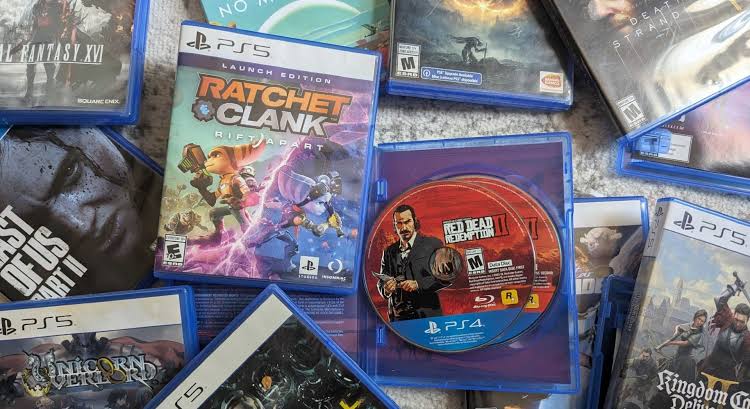
In a monumental and highly controversial move for the gaming industry, Sony Interactive Entertainment officially announced that it will permanently discontinue the production of physical game discs for all new PlayStation titles starting in January 2028.
The bombshell announcement, published on the official PlayStation Blog on July 1, 2026, signals the end of an era for physical console media. According to Sony, the decision is a direct response to a massive shift in consumer behavior—with digital downloads skyrocketing from just 13% of sales during the PS4 launch era in 2013 to nearly 80% of the market.
1. The Timeline and Scope of the Digital Transition
Sony is framing this as a gradual phase-out to align with the upcoming next-generation hardware cycle, though the policy features very firm boundaries:
- The January 2028 Cutoff: Any brand-new game launching on PlayStation hardware after January 2028 will be distributed exclusively as a digital download via the PlayStation Store, or via digital code cards sold at retail storefronts.
- Protection for Existing Libraries: This change has zero impact on legacy physical media. Any physical disc released prior to January 2028 will continue to work perfectly fine on existing disc-compatible hardware (like the standard PS5 and the PS5 Pro disc drive attachment).
- The PS6 Implication: Industry analysts point out that this effectively guarantees the highly anticipated PlayStation 6 will be a digital-only console, lacking any form of disc drive architecture.
 [ July 2026 Announcement ] ──► Sony outlines the end of new game disc manufacturing
                                          │
                                          ▼ (The Catalyst Era)
 [ Rest of 2026 - 2027    ] ──► Physical discs continue for standard releases (e.g., GTA VI digital-only trendsetter)
                                          │
                                          ▼ (The Deadline)
 [ January 2028 Cutoff    ] ──► All NEW game releases move strictly to digital formats / download codes
                                          │
                                          ▼
 [ Future Hardware (PS6)  ] ──► Solidifies a 100% digital-only console ecosystem
2. Why the Move is Spurring Fierce Backlash
While PC gaming went fully digital years ago via platforms like Steam, the console community has reacted with immense frustration. The death of the physical disc effectively eliminates three core pillars of the traditional console ecosystem:
A. The Death of the Second-Hand Market
Without a physical disc to pass along, the used-game economy is effectively wiped out. Players will no longer be able to trade in completed titles at retailers like GameStop, buy cheaper pre-owned copies from eBay, or simply borrow a game from a friend.
B. Monopolized Pricing Control
When physical discs exist, brick-and-mortar retailers aggressively compete on price, often discounting physical copies faster than digital storefronts to clear shelf space. Eliminating discs gives Sony absolute, unchecked pricing control over its ecosystem via the digital PlayStation Store.
C. The Preservation Crisis
The announcement arrived alongside a grim, simultaneous update: Sony is shutting down the legacy PS3 and Vita digital storefronts globally by July 2027. Combined with a recent notice that Sony is completely wiping out hundreds of previously purchased StudioCanal movies from users’ digital video libraries due to expiring licenses, gamers are highly anxious about the reality of “digital ownership.”
3. The Grand Theft Auto VI Effect
The writing was already on the wall following Rockstar Games’ recent announcement that the industry-defining Grand Theft Auto VI will launch as a digital-only release.
| Era / Milestone | Digital Market Share | Physical Media Status |
| PS4 Launch (2013) | ~13% | Primary distribution method; standard across retail. |
| PS5 Era Peak (2025) | ~80% | Optional; Sony introduces disc-free console variants. |
| The Pivot (2026) | Heavily Accelerating | GTA VI anchors digital-only AAA precedents. |
| The Horizon (2028) | 100% (For New Releases) | Discontinued entirely for new software titles. |
With the biggest game of the decade skipping physical manufacturing entirely to optimize publisher margins, Sony utilized the momentum to pull the plug on disc pressing plants globally. While Microsoft/Xbox is widely expected to mirror this strategy for its next console generation, the Nintendo Switch 2 now stands alone as the final champion of physical media cartridges—leaving PlayStation players to adjust to a new world where they buy a license to play a game, rather than owning a piece of it.