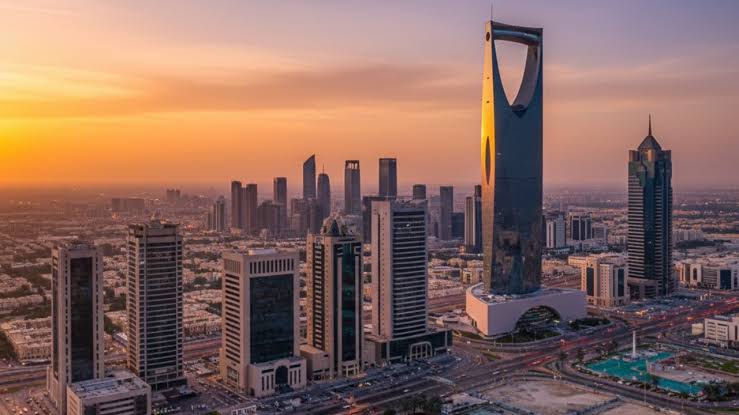
In a historic step toward its Vision 2030 economic diversification goals, Saudi Arabia’s Real Estate General Authority (REGA) has officially opened the Kingdom’s property market to international buyers through a brand-new digital gateway called the “Saudi Properties” portal.
The launch, announced on Wednesday, June 24, 2026, completely operationalizes the landmark Foreign Real Estate Ownership Law that was enacted earlier this year in January. It transitions Saudi Arabia from a closed real estate market into a highly competitive, digital-first destination for global property capital, directly rivaling regional hubs like Dubai.
1. The Gateway Mechanics: How the Portal Works
The single, unified portal is designed to eliminate the legacy paperwork, administrative fragmentation, and complex corporate structures previously required for cross-border real estate transactions. The digital application workflows are strictly segmented into three distinct buyer profiles:
- Expats/Foreign Residents: Non-Saudi citizens already residing inside the Kingdom can apply directly via the platform using their Residency Number (Iqama). The system automatically cross-references official data sources to verify eligibility instantly.
- Overseas International Buyers: Non-Saudi individuals living abroad can purchase full title deeds but must first obtain a digital identity card through Saudi embassies or overseas diplomatic missions before initiating their online application.
- Foreign Corporations: Global companies or special-purpose investment funds looking to acquire commercial space, industrial real estate, or employee housing must first register via the Ministry of Investment’s “Invest Saudi” platform to secure a National Unified Number.
                  ┌──► 1. Expats inside KSA: Apply directly via Residency Number (Iqama)
                  │
[Saudi Properties]┼──► 2. Overseas Buyers: Secure a digital ID via Saudi missions abroad first
                  │
                  └──► 3. Foreign Companies: Register on "Invest Saudi" for a unified corporate number
2. Open Access with Strict Sacred Boundaries
The updated law allows eligible foreign buyers to hold full legal titles, granting them the exact same property rights and asset protections enjoyed by local Saudi nationals across residential, commercial, and industrial sectors. However, the geographic scope maintains strict baseline restrictions:
| Permitted Investment Zones | Regulated/Restricted Hotspots |
| Direct ownership allowed across almost all major regions including high-growth urban hubs like Riyadh, Jeddah, and massive coastal mega-projects like NEOM. | Makkah and Madinah remain strictly regulated. Property ownership inside the borders of the two Holy Cities is completely prohibited for non-Muslims, restricted exclusively to Saudi-owned firms and Muslim individuals. |
3. The Economic Catalyst: Boosting Non-Oil GDP
By launching an end-to-end electronic interface that handles everything from opportunity browsing and eligibility verification to final property tracking, Saudi Arabia expects to attract a massive surge of foreign direct investment (FDI).
The policy arrives mid-way through a massive infrastructure push in Riyadh, ensuring that the country’s booming luxury residential supply, tourism developments, and hospitality projects are met with an expanded, diversified pool of international demand. To safeguard market integrity and eliminate speculative flipping, the digital framework has been integrated straight into the national Real Estate Registry—backed by strict non-compliance tracking and transaction transfer fees of up to 5%.