In a major breakthrough that signals a thawing of cross-border economic tensions, India is poised to approve a $370 million (approximately ₹3,100 crore) manufacturing investment from Horse Powertrain Ltd.
The landmark deal will mark the largest manufacturing commitment from a Chinese-linked automotive entity in India in nearly a decade. The capital injection is specifically geared toward building advanced gasoline-electric, strong-hybrid engines locally.
1. Navigating the Geopolitical Tightrope
Large-scale investments involving Chinese entities have been virtually frozen since New Delhi severely restricted foreign direct investment (FDI) from bordering nations following border clashes in 2020. This approval is made possible by a crucial policy shift:
- The March Policy Easing: In March, India quietly relaxed its strict border-country FDI guidelines to support local manufacturing ecosystems, reduce reliance on direct component imports, and deepen domestic assembly stacks.
- The Corporate Structure Outsmart: While Horse Powertrain is heavily backed by China’s Zhejiang Geely Holding Group, it is legally structured as a London-headquartered global entity created in 2024. Geely and France’s Renault SA each hold a 45% stake, while Saudi Aramco owns the remaining 10%. This diversified international ownership framework helped smooth the Indian government’s security clearance pipeline.
                      [ Horse Powertrain Corporate Architecture ]
                                          │
             ┌────────────────────────────┼────────────────────────────┐
             ▼                            ▼                            ▼
     [ Geely (China) ]            [ Renault (France) ]       [ Saudi Aramco (Saudi) ]
         45% Stake                    45% Stake                    10% Stake
2. A Phased Local Manufacturing Blueprint
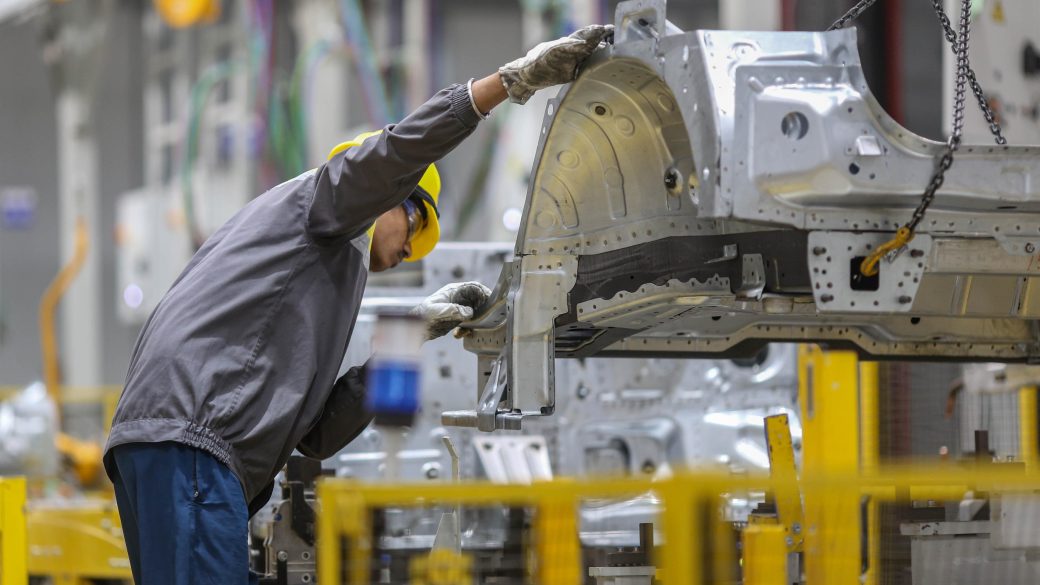
The $370 million investment will not build a new factory from scratch, but will instead be injected directly into Renault’s existing high-volume manufacturing infrastructure in Chennai, Tamil Nadu:
- Phased Rollout: The capital deployment will move in strategic stages, focused on scaling up the local sourcing and assembly of advanced powertrain units.
- The Immediate Vehicle Target: Horse is building strong-hybrid architectures combining highly efficient internal combustion engines with high-capacity electric motors and battery arrays. The first major deployment will power Renault’s highly anticipated new Duster SUV, slated to launch in India later this year.
- B2B Supply Expansion: Beyond supporting internal alliance partners Renault and Nissan, Horse has confirmed it is already in preliminary discussions to sell its custom hybrid powertrain units to other domestic and global automakers operating inside India.
3. The Indian Automotive Pivot to Hybrids
The timing of the approval highlights a massive structural transformation in consumer preference across the world’s third-largest auto market.
While the adoption of pure battery electric vehicles (BEVs) inside India continues at a gradual, infrastructure-dependent pace, demand for gasoline-electric hybrid models has exploded. Indian consumers are aggressively seeking premium fuel economy without range anxiety. By clearing Horse Powertrain to establish a localized supply chain, the Indian government ensures that the incoming wave of hybrid vehicles relies heavily on localized engineering, domestic jobs, and deep local component integration.