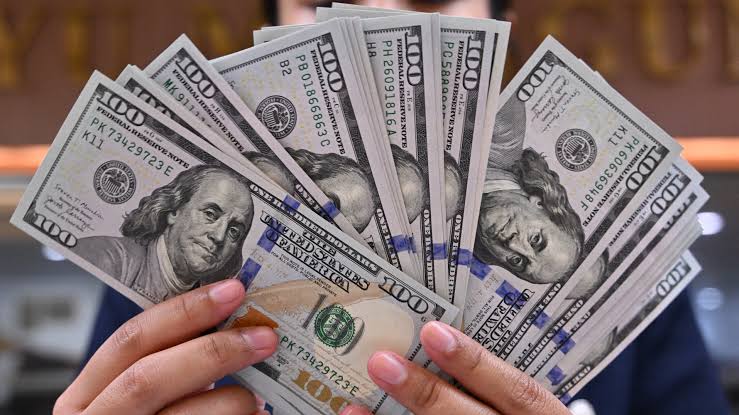
Driven by an aggressive mix of geopolitical shocks, domestic economic strength, and a sharply hawkish guard-change at the Federal Reserve, the U.S. Dollar Index (DXY) surged past heavy chart resistance to touch a 13-month high of 101.8.
The dollar is pacing toward its sharpest monthly gain in nearly a year as currency markets undergo a massive structural realignment, aggressively pricing out previous rate-cut assumptions in favor of active rate-hike bets.
1. The Tri-Factor Fueling the Greenback
The dollar’s run to a 13-month peak is a perfect-storm scenario driven by three distinct macro catalysts that hit global markets simultaneously:
- The Hawkish “Warsh” Debut: The Federal Reserve’s latest policy meeting marked a historic turning point. In his debut as Fed Chair, Kevin Warsh struck a decidedly hawkish tone. Driven by a resilient economy and sticky inflation, updated projections reveal that at least half of the central bank’s policymakers now expect interest rate increases this year.
- The Middle East Oil Shock: The outbreak of the U.S.-Israeli war with Iran sent oil prices spiking earlier this quarter. While crude has since begun drifting back down, the shock fundamentally upended global inflation curves, forcing central banks to rethink their easing cycles.
- The Safe-Haven Inflow Trigger: A brutal, broad-based global technology and semiconductor sell-off has left equity markets highly volatile. Seeking shelter from the stock market rout, institutional capital has aggressively rotated into the dollar and short-dated U.S. Treasuries.
[Hawkish Chair Kevin Warsh Debut] ──┐
[Middle East Conflict / Oil Spike] ──┼──► Yield Spreads Widen ──► DXY Touches 13-Month High (101.8)
[Global Tech & Equity Stock Rout] ──┘
2. Global Currency Bloodbath
The rapid repricing of U.S. terminal rates has torn through peer currencies, pushing major global foreign exchange pairs to critical multi-month—and in some cases, multi-decade—lows:
| Currency Pair | Current Exchange Base | Market Impact & Policy Context |
| EUR / USD | $1.1325 – $1.1370 | Fell to a 13-month low. The European Central Bank (ECB) is holding a less confident stance on hikes, widening the 2-year yield gap with the U.S. to over 150 basis points. |
| USD / JPY | 161.73 | Within a whisker of a four-decade low. Verbal warnings from Tokyo have failed to stop the bleed, forcing Japan to plan better optimization of its $1.3 trillion forex reserves for direct intervention. |
| GBP / USD | $1.3140 | Touched a 7-month low against the dollar after Bank of England officials signaled an “extended hold” for local interest rates. |
| AUD / USD | $0.6890 | Slumped to an early-April low, shedding more than 1.8% over the week due to mixed domestic inflation data and generic risk-off sentiment. |
3. What the Rates Market is Pricing In
According to the CME FedWatch tool, the shift in market sentiment over the space of just a few days has been staggering.
The October Pivot: Traders who were firmly positioned for Fed rate cuts just weeks ago are now pricing in a 36% probability of a rate hike at the July meeting (up from 9% a week ago). More telling, the probability of a rate increase by the September meeting has skyrocketed past 70%, with futures markets expecting a formal hike to hit by October.
This yield divergence has sent the 2-year U.S. Treasury yield tracking up 27 basis points to 4.15%, while its German equivalent has dropped to 2.56%.
As global corporate finance desks scramble to stock up on greenbacks to cover quarter-end needs, the dollar looks structurally supported. Analysts at Standard Chartered emphasize that strong, AI-driven U.S. productivity growth is continuing to draw in massive capital inflows, creating a self-reinforcing, dollar-positive feedback loop that will likely dominate global macroeconomic trends heading into the summer.