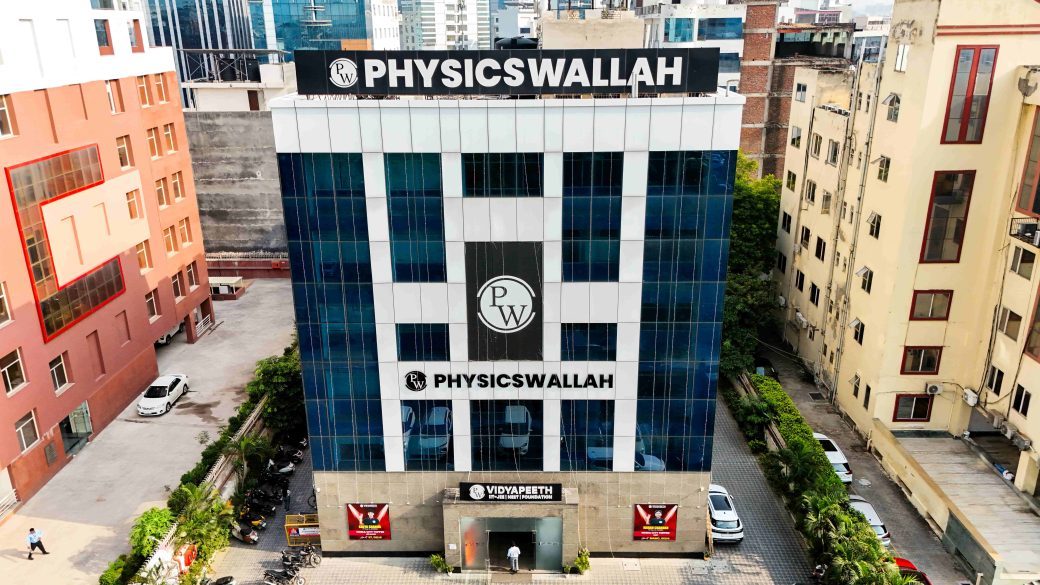
In a move that has raised eyebrows across India’s test-preparation sector, Alakh Pandey-led edtech unicorn PhysicsWallah (PW) has introduced a highly aggressive incentive program offering a ₹15 lakh financial reward to newly recruited faculty members who successfully bring their existing students with them.
The controversial recruitment structure marks a sharp escalation in the hyper-competitive offline coaching wars—particularly within major engineering and medical preparation hubs like Kota, Patna, and Janakpuri—as edtech giants pivot heavily from online applications back to physical brick-and-mortar classrooms.
1. The Operational Blueprint: How the “Poaching Reward” Works
The internal faculty compensation structure is designed to leverage a star teacher’s individual student following to rapidly boost enrollment at PW’s offline network, PW Vidyapeeth:
- The Baseline Reward Pool: New faculty members joining PhysicsWallah from rival coaching institutes stand to earn up to ₹15 lakh in pure performance-linked cash bonuses over and above their fixed annual packages.
- The Conversion Metric: The financial payout is tied directly to a volume-based conversion structure. To claim the maximum tier of the incentive, the incoming teacher must systematically influence and transition a specified batch size of their former students into active, fee-paying enrollments at PW centers.
- Targeting the Star Ecosystem: The incentive strategy shifts the recruitment dynamic away from traditional academic credentials, choosing instead to directly monetize a teacher’s personal brand equity and localized market share.
2. The Context: The High-Stakes Offline Land Grab
While PhysicsWallah built its multi-billion dollar empire on ultra-affordable ₹2,000–₹4,000 online courses, the edtech landscape has undergone a massive post-pandemic structural shift.
With pure-play online learning growth flattening out, PW, Allen Career Institute, Unacademy, and FIITJEE are locked in a relentless physical expansion cycle. Because offline centers demand premium annual student fees (frequently ranging between ₹1 lakh to ₹1.5 lakh per student), capturing student volume at physical centers translates directly to massive top-line revenue injections.
 [ Traditional EdTech Model ] ──► Low-cost Online Courses ──► High Volume / Low Margins
                                              │
                                              ▼ (The 2026 Structural Pivot)
 [ The Offline Reality      ] ──► Mega Vidyapeeth Centers ──► Requires massive physical footprints
                                              │
                                              ▼
 [ The Faculty Incentive   ] ──► Pay ₹15L bonus to teachers ──► Instantly imports hundreds of stable offline enrollments
3. Industry Backlash: Growth vs. Corporate Ethics
While the aggressive strategy highlights PhysicsWallah’s intent to aggressively expand its student intake, the program has drawn significant criticism from corporate analysts and rival institutions.
| Operational Perspective | Core Institutional Argument |
| The Critic / Competitor View | Disrupting Student Security: Turning educators into direct sales agents incentivizes mid-session batch disruptions. Students are caught in corporate turf wars, frequently forcing families to abandon non-refundable fees at their original institutes just to follow a favorite teacher. |
| The Corporate Growth View | Rapid Customer Acquisition: Rather than spending tens of millions on broad-market billboard and television advertising campaigns to build offline trust from scratch, buying out an established teacher automatically secures a pre-validated, highly localized customer pipeline. |
The introduction of the ₹15 lakh bounty highlights a broader trend: as India’s premier test-prep space matures, the battleground is no longer fought over proprietary teaching software or unique curricula, but over which corporate entity can successfully anchor and control the localized faculty chains that steer student loyalty.