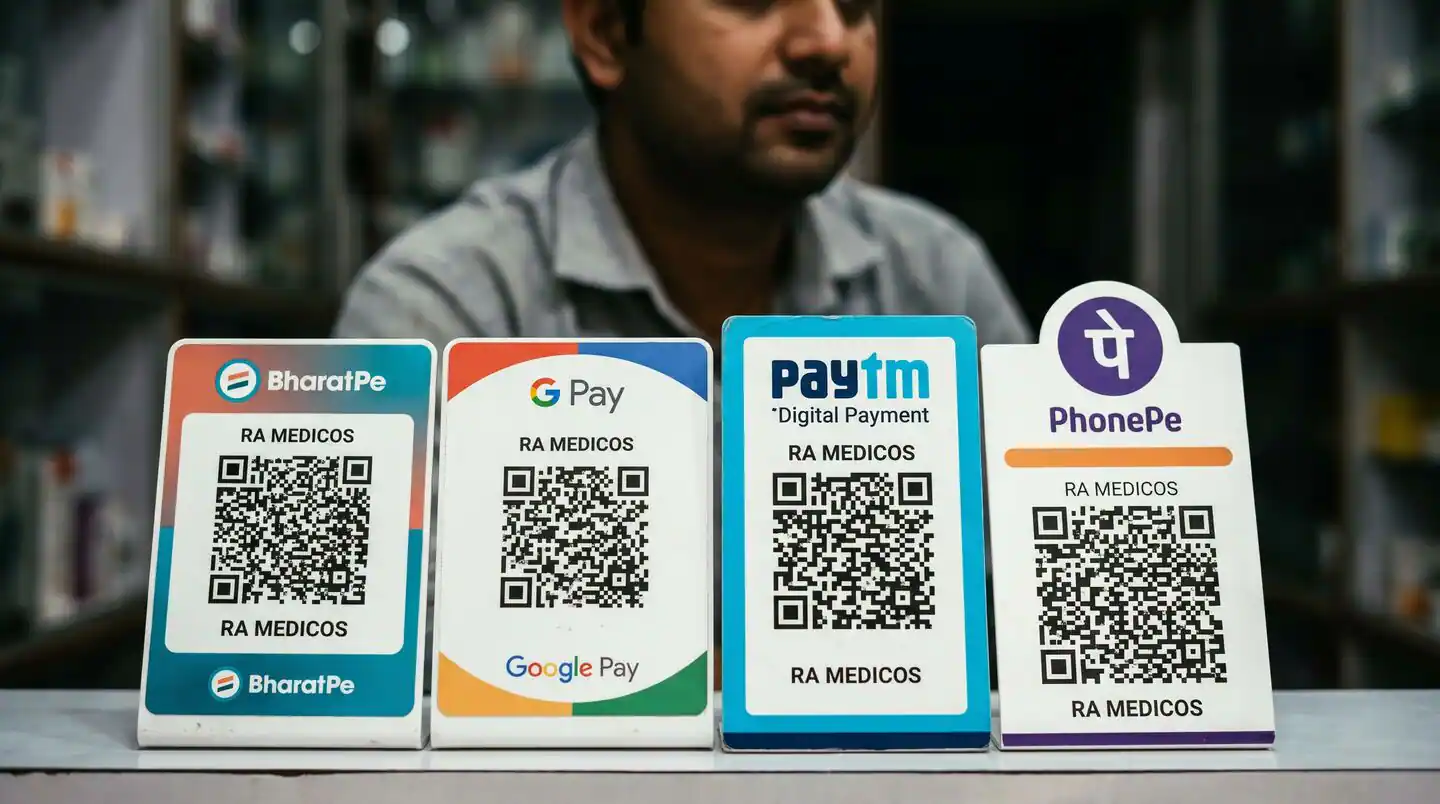
In a massive move for global digital public infrastructure, the National Payments Corporation of India (NPCI) has announced plans to open-source core elements of its Unified Payments Interface (UPI) technology stack.
While the fundamental plumbing of UPI has always relied on an underlying open-source stack, NPCI is actively shifting its operational stance to “give back to the open-source community.” The decision aims to cement India’s role as a global architect of digital public goods (DPGs) and lower the technical barriers for other nations looking to build sovereign, real-time payment systems.
1. The Scale: Giving Away a System Handling 24 Billion Transactions
The codebase NPCI is preparing to share is arguably the most stress-tested payment architecture on Earth. UPI’s growth has completely transformed India’s retail economy:
- Massive Throughput: The platform systematically processes over 24 billion transactions every month (translating to roughly 822 million daily transfers), accounting for nearly half of the world’s real-time digital transactions.
- The Global Blueprint: Over the last few years, countries across Southeast Asia, Europe, and West Asia have signed bilateral pacts to link with or adopt elements of the UPI architecture. Open-sourcing the software allows foreign central banks and developers to freely customize, fork, and deploy localized iterations of the payment rails without relying on restrictive corporate software vendors.
[Core UPI Architecture] ──► Open Sourcing Codebase ──► Global Developers & Central Banks
                                                                │
                                                                ▼
                                                   • Fork & Localize Payment Rails
                                                   • Direct Interoperable QR Networks
                                                   • Bypasses Expensive Legacy B2B Vendors
2. Technical Philosophy: The Four-Pillar Interoperable Mesh
By open-sourcing its unique innovations, NPCI is giving the global developer ecosystem direct access to its highly optimized four-pillar push-pull interoperable architecture.
Unlike rigid, centralized western card networks (like Visa or Mastercard) that charge premium merchant discount rates (MDR), UPI operates a lean protocol layer:
| System Layer | Operational Responsibility inside the Stack |
| Front-End PSPs | Third-party application providers (TPAPs like Google Pay, PhonePe, or BHIM) handle the user interface, proxy identity resolution, and biometric/passcode authentication. |
| Central Clearing Rail | NPCI’s core routing engine resolves Virtual Payment Addresses (VPAs or UPI IDs) and matches requests instantaneously without storing or exposing raw bank data. |
| Settlement Layer | Back-end participating banks directly orchestrate tokenized, account-to-account funds transfers instantly over IMPS (Immediate Payment Service) rails. |
3. What’s in the Open-Source Package?
While core cryptographic security keys, fraud monitoring systems, and central banking clearing databases will remain highly classified and restricted under state security protocols, the open-source release will focus on modular components to accelerate fintech development:
- Standardized API Frameworks: Complete documentation and open-source APIs to build push-and-pull merchant payment pipelines and cross-border QR code mapping.
- Delegated Sub-Payment Modules: Source code templates for features like UPI Circle (enabling primary users to delegate secondary payment authorities to family members with custom spending caps).
- Conversational Voice Engines: AI-adjacent components designed to handle multi-lingual, voice-activated micro-transactions, a feature pioneered by India to bridge the digital divide in rural areas lacking smartphones.
The open-source strategy arrives at a time when global policy groups, including the United Nations and the Bank for International Settlements (BIS), are aggressively pushing for open, non-proprietary digital infrastructure to drive financial inclusion. By offering its battle-tested codebase directly to the world, NPCI expects to foster massive developer collaborations that can optimize transaction latency and lower cloud compute costs for the entire global fintech ecosystem.