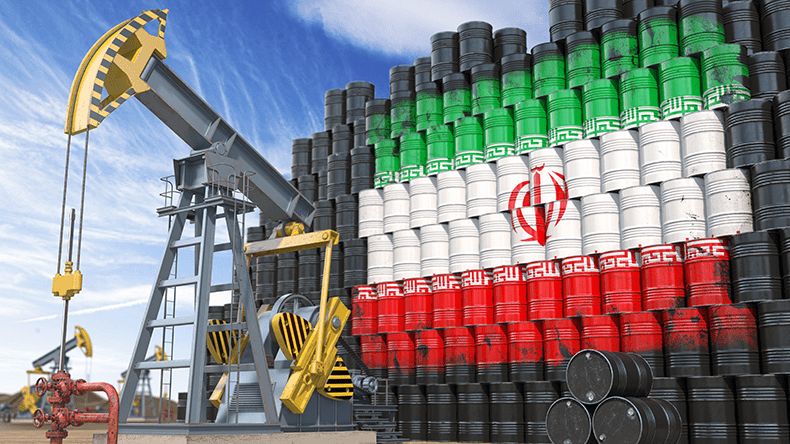
In a significant diplomatic and economic development, Iran has initiated preliminary talks with Japanese buyers to resume crude oil sales for the first time since 2019, following a temporary sanctions waiver issued by the United States.
However, prospective Japanese refiners are highly hesitant, demanding a much longer waiver window from Washington and robust guarantees regarding maritime security before finalizing any purchase contracts.
1. The Context: A Tight 60-Day Peace Window
The sudden opening for trade stems from high-stakes, 60-day indirect peace negotiations currently taking place between Tehran and Washington in Doha.
As a gesture of goodwill to push for a final peace deal—which hinges on strict nuclear inspections and guaranteed freedom of navigation—the US Treasury Department issued a temporary sanctions waiver permitting the sale of Iranian crude, petroleum, and petrochemical products.
The critical catch is the timeline:
- Waiver Issuance: June 22, 2026
- Waiver Expiration: August 21, 2026
Because the temporary waiver spans just 60 days, it leaves a incredibly narrow operational window for Asian buyers who have to factor in long-distance maritime logistics.
2. The Logistical and Risk Bottlenecks
Three major Japanese buyers have reportedly expressed interest, but industry sources indicate that the current framework presents severe operational hurdles:
 [ THE IRAN-JAPAN SHIPPING TIMELINE FRICTION ]

  June 22: US Issues 60-Day Waiver  ──► Initial talks & contract drafting phase
                                                │
                                                ▼
  Tanker Route: Kharg Island ──► ~20-25 Days Transit to Japan via Strait of Hormuz
                                                │
                                                ▼
  August 21: Waiver Expires         ──► Risk of cargo arriving *after* legal window closes
- The Shipping Time Crunch: A standard oil tanker voyage from Iran’s primary export terminal at Kharg Island to Japan takes roughly 20 to 25 days. Senior Iranian oil officials admit that without a formal extension of the August 21 deadline, it is structurally impossible for Japanese-operated tankers to load, transit, and safely discharge the crude before the waiver legally expires.
- The Strait of Hormuz Risk: The waterway remains highly unstable. Following recent naval incidents—including an Iranian seizure of a container ship and the presence of an estimated 80 floating mines in the central passage—securing commercial maritime insurance for ships traveling to Iran is currently the single largest hurdle for Japanese corporate boards.
- Naviz Sign-off Protocols: Compounding the tension, Iran’s elite Revolutionary Guards have reiterated that all transits through the Strait must explicitly be cleared with them first, introducing administrative friction.
3. Shifting the Post-2018 Trade Flow
If these corporate buyers succeed in securing an extended waiver from the US Treasury, it would mark the first time traditional Asian allies have bought Iranian oil since the Trump administration drastically tightened sanctions in 2018.
| Buyer Market Position | Post-2018 Sanctions Strategy | Modern Stance (Mid-2026) |
| China (Independent Refiners) | Became Iran’s absolute primary customer, absorbing discounted “grey market” barrels via alternative financial networks. | Continues to act as the baseline buyer while permanent peace terms are ironed out. |
| Japan / South Korea / India | Completely halted Iranian crude imports to strictly comply with US secondary banking sanctions. | Exploring restricted entry; National oil companies (like NIOC) are actively pitching traditional buyers to reclaim market share. |
While Japan’s Ministry of Economy, Trade and Industry (METI) maintains that any crude purchases are strictly private corporate decisions, the reality remains that well-stocked Asian refiners will likely stay on the sidelines. Until the US offers a durable, multi-month regulatory extension that spans beyond the current August cliff, independent Chinese refiners will remain the primary beneficiaries of Iran’s oil taps.
Get the day’s top stories in your inbox
One concise email. No spam, unsubscribe anytime.