India sugar production has entered a severe supply contraction, according to a sector report titled “India Sugar: The Squeeze, The Cycle, The Shift” released by Exencial Research Partners. The report says the country’s sugar industry is grappling with one of its tightest supply cushions in decades.
Driven by prolonged, uneven weather anomalies linked to El Niño, India’s national sugar production has plummeted 18% from its historic peak recorded in financial year 2021–22. This drop has severely squeezed the nation’s domestic supply cushion and forced strict regulatory shifts.
1. The Numbers: Tracking the 18% Slide
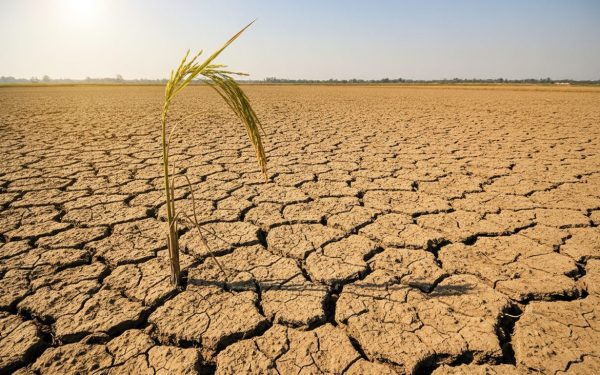
The supply crunch has unfolded steadily over a four-year cycle, with the severe dry spells brought by El Niño drying out cane yields across key agricultural belts.
- The Peak vs. The Floor: India’s net sugar production reached a record high of 35.8 million tonnes (MT) in FY22. Following consecutive years of weak monsoons and depleted reservoir levels, net production fell down to 29.3 million tonnes for the marketing cycle ending in 2025—representing an 18.1% drop from the peak.
- The Squeezed Cushion: With domestic consumption climbing to an all-time high of 28.5 million tonnes, the gap between what India produces and what its population consumes has shrunk down to historic lows.
- A 30-Year Low for Buffer Stocks: The report warns that opening sugar inventories ahead of the upcoming October crop season could drop to roughly 3.5 million tonnes—the lowest structural safety buffer the country has seen in over three decades.
2. The Twin Pressure: El Niño Meets the Ethanol Mandate
The squeeze is magnified by the Indian government’s aggressive green energy push, creating a direct conflict between the food supply and biofuel production:
                  ┌──► [Food Supply] ──► Domestic Sugar Consumption (28.5 MT)
                  │
[Sugarcane Yield] ┤
                  │
                  └──► [Biofuel Push] ──► 3.4 MT of Sucrose Diverted to Ethanol
Even with tighter cane availability, the Indian Sugar & Bio-energy Manufacturers Association (ISMA) notes that sugar mills are projected to divert approximately 3.4 million tonnes of sucrose equivalent to support the national E20 (20% ethanol-blended petrol) initiative. This leaves virtually no room for error in the upcoming crop cycle.
3. Global Consequences: Lock on Exports Until September 2026
To prevent runaway food inflation at home, the Government of India has extended a strict prohibition on commercial sugar exports until September 30, 2026. The curbs come even as New Delhi pursues an ambitious wider trade agenda, including a push to hit a $1 trillion export target in FY27.
- The Structural Exit: India was historically the world’s second-largest sugar exporter, generating $5.77 billion in export revenue during the FY23 boom. By FY26, those revenues crashed 64% to $2.09 billion, restricted almost entirely to isolated, diplomatic quota commitments to the US and EU.
- A Three-Year Freeze: International trade desks and global logistics houses have warned clients that if a secondary El Niño wave emerges to damage the 2026–27 planting cycles, India will likely remain entirely out of the global sugar export market for at least three consecutive seasons, forcing global markets to depend almost entirely on Brazilian shipments.
4. Industry Push for a Price Reset
With the main crushing season wrapped up, Indian sugar mills are facing compounding financial stress. Rising state-mandated Fair and Remunerative Prices (FRP) for sugarcane have bumped up raw production costs, while weak ex-mill sugar realizations have caused cane payment arrears to farmers to surge to ₹2,130 crore in Maharashtra alone.
In response, ISMA is aggressively lobbying the Ministry of Consumer Affairs for an immediate, upward revision of the Minimum Selling Price (MSP) of sugar to stabilize mill liquidity and prevent localized farm debt cycles before the next monsoon arrives.
Frequently Asked Questions
Why has India sugar production fallen 18%?
According to the Exencial Research Partners report, the fall is driven by El Niño-linked weather anomalies—weak monsoons and depleted reservoirs that dried out sugarcane yields across key belts. Net production slipped from a record 35.8 million tonnes in FY22 to 29.3 million tonnes for the cycle ending in 2025, an 18.1% drop.
When will India resume sugar exports?
The Government of India has extended its ban on commercial sugar exports until September 30, 2026, to keep domestic prices in check. Analysts cited in the report warn that a fresh El Niño wave damaging the 2026–27 crop could keep India out of the export market for up to three consecutive seasons.
How does ethanol blending affect India’s sugar supply?
India’s E20 ethanol-blending programme diverts sugarcane sucrose away from sugar. ISMA projects mills will divert roughly 3.4 million tonnes of sucrose equivalent to ethanol, which tightens the food-grade sugar supply further when cane availability is already low.