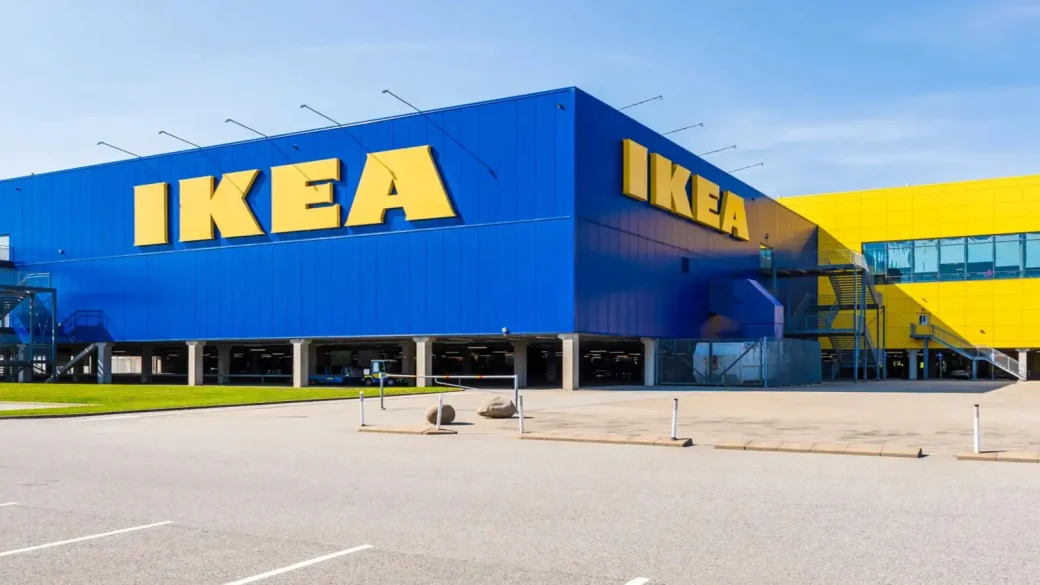
Ikea China sites sale is the new move by Ikea’s parent group to sell eight former retail properties in China. That means spaces once used for big shopping visits are now up for sale. The shift matters because Ikea is changing how it sells in a market where online shopping grew fast.
Key takeaways
- Ingka, the Ikea parent group, is marketing eight former retail sites in China.
- The move suggests Ikea wants fewer giant legacy spaces and more flexible retail plans.
- China’s shopping habits changed fast, with e-commerce taking a bigger share.
- Real estate sales can free up cash, cut costs, and support new store formats.
Why is the Ikea China sites sale happening now?
The short answer is simple. China retail has changed, and Ikea is changing with it. Big destination stores once pulled in families for long visits, but many shoppers now browse on phones first and buy online later.
Ingka Group, which runs most Ikea stores worldwide, has put eight former retail sites on the market, according to the South China Morning Post. A site is a property or location. These are not active flagship stores in the usual sense. They are older retail spaces that no longer fit the company’s next plan.
That plan looks more flexible. Instead of only relying on huge stores on the edge of cities, Ikea has been testing smaller shops, planning studios, and city formats. A planning studio is a store that helps people design kitchens or wardrobes, even if it holds less stock.
This is not just about furniture. It is about foot traffic too. Foot traffic means how many people walk into a store. If fewer people visit giant stores, the math gets harder very fast.
What does the Ikea China sites sale tell us about China retail?
The Ikea China sites sale says one big thing: old retail models are under pressure. China remains one of the world’s biggest consumer markets, but shoppers now expect speed, apps, home delivery, and easy price checks.
For years, Ikea’s huge blue-box stores were part showroom, part family trip. People came for room ideas, low-cost home goods, and yes, the food. But online rivals made furniture shopping easier, and local brands got quicker too.
China’s online retail market is enormous. Official data from the National Bureau of Statistics shows online retail sales in China reached trillions of yuan each year, and physical stores have had to adapt. You can check the latest official data at China’s National Bureau of Statistics.
Meanwhile, property costs can stay high even when visits fall. Rent, upkeep, and staff for giant stores can eat into profits. Profit is the money left after costs are paid. So selling unused or less useful sites can be a practical fix.
How big is this shift in numbers?
Here are the headline figures. Ingka is selling 8 former retail sites in China. That is a clear sign this is not one odd closure. It is a wider clean-up of older space.
China’s total retail sales have stayed huge, measured in the tens of trillions of yuan each year. But the share of spending influenced by mobile apps and online platforms keeps rising. Even a small shift in shopper behavior can hurt giant stores, because they need lots of visits to cover costs.
One property change can seem small. Eight properties are harder to ignore. The chart below shows the basic picture in a simple way.
Ikea China sites sale: key number8 sitesFormer retail sites for sale08
The table below sums up what changed.
| Old model | Newer model | Why it matters |
|---|---|---|
| Large edge-of-city store | Smaller city format | Closer to shoppers |
| Mostly in-store browsing | Online plus in-store | Matches phone-first habits |
| High space costs | Lean property use | Can protect margins |
| One big destination trip | Faster, targeted visits | Better for busy urban buyers |
Does the Ikea China sites sale mean Ikea is leaving China?
No, that is not what this means. The Ikea China sites sale looks more like a reset than an exit. Companies often sell older assets while still staying in a market.
An asset is something a company owns that has value. Property is a major asset. If a site no longer fits the plan, selling it can free up cash for better uses, such as digital tools, delivery networks, or new store types.
Ikea has kept adjusting in China for years. It has tried smaller formats and stronger online services because shoppers want more convenience. Convenience means less time, less travel, and fewer steps to buy what you need.
Other global brands are making similar moves in Asia. Some are shrinking old stores. Others are opening compact city shops. That wider trend matters because it shows Ikea is not acting alone.
What does this mean for shoppers and rivals?
For shoppers, the Ikea China sites sale could mean less focus on giant warehouse-style trips. Instead, you may see more local stores, better app support, and faster delivery choices.
That can be helpful in crowded cities. A smaller planning store near a metro stop is easier to visit than a huge site far away. But some customers may still miss the full-day browse of a giant Ikea.
Rivals will watch closely. Chinese furniture chains, home decor brands, and e-commerce giants already compete hard on price and speed. Speed means delivery time, but also quick search, easy returns, and live stock updates.
If you want another example of how companies adapt to demand shifts, our report on quick commerce food retail in India shows how fast consumer habits can change a business model. We also explained how IT hiring stabilisation in India reflects a market adjusting after a big swing.
How does property fit into Ikea’s bigger strategy?
Property is not just a backdrop. For retail groups, it is part of the strategy. The Ikea China sites sale shows how real estate can either help growth or slow it down.
If a company owns too much of the wrong kind of space, it gets stuck. Selling those sites can make the business lighter. Lighter means easier to reshape when shoppers change fast.
Ingka also operates shopping centers in some markets, so it knows property well. This sale suggests it sees better uses for capital now. Capital is money used to build or improve a business.
For official company background, readers can see Ingka Group. The move fits a broad pattern in retail, where stores, apps, and logistics work together instead of acting like separate worlds.
We have seen this kind of rethink in other sectors too. For example, our story on Air India adding 60 aircraft shows how companies move resources toward where demand is going, not where it used to be. And our piece on Westside store expansion shows that physical retail still matters when the format fits the market.
What is the simplest takeaway from the Ikea China sites sale?
Here is the clearest answer. The Ikea China sites sale means Ikea’s parent group is cutting loose older China properties that no longer match today’s shopping habits. It does not automatically mean retreat. It means the company wants stores, property, and online sales to work better together.
That matters because retail is no longer only about having the biggest building. It is about being where shoppers are, which is often on a phone first. Companies that learn that fast can stay relevant. Companies that do not can end up with expensive empty space.
FAQs
What is the Ikea China sites sale?
It is Ingka Group’s move to market eight former retail properties in China. These are older sites that no longer fit its current retail plan.
Why is Ikea selling former sites in China?
Because shopping habits changed. More people buy online or want smaller, easier-to-reach stores, so giant legacy spaces can become less useful.
Does this mean Ikea is quitting China?
No. The move looks like a strategy reset, not a full exit. Ikea appears to be shifting toward formats and services that better match today’s buyers.
Get the day’s top stories in your inbox
One concise email. No spam, unsubscribe anytime.