Key takeaways
- Westside store expansion is Trent’s plan to open about 100 new Westside outlets each year.
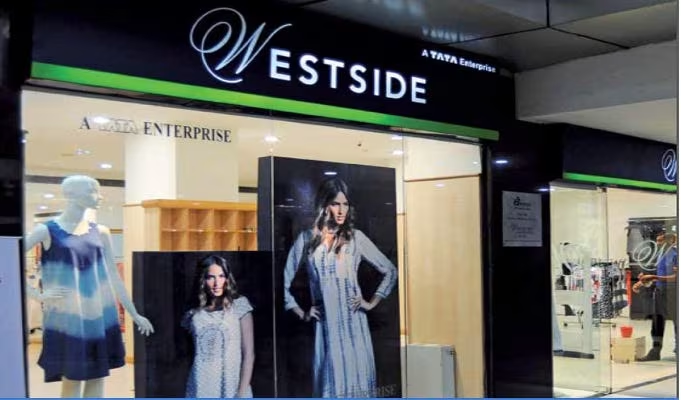
- Westside is Trent’s fashion and lifestyle chain. It sells clothes, shoes, beauty items, and home products.
- The move shows Trent wants faster growth in India’s busy retail market.
- More stores can lift sales, but they also raise costs like rent, staff pay, and supply chain spending.
Westside store expansion is Trent’s push to open around 100 new Westside stores every year. Westside is Trent’s fashion retail brand, which means a chain of shops that sell clothing and home items. The plan signals big confidence in Indian shoppers. It also shows how fast organized retail is growing.
What did Trent announce about Westside store expansion?
Trent, part of the Tata Group, said it is targeting about 100 new Westside stores each year. That is a bold pace. It means the company wants to spread the brand much faster across India. For readers who don’t track retail, Trent is the listed company behind Westside and other chains.
This matters because stores are still a huge part of fashion shopping in India. Many people like to see sizes, touch fabric, and try clothes before buying. So even with online shopping growing, physical stores still drive a lot of sales. Trent seems to be betting that this habit will stay strong.
The company has not picked only one type of city. It can grow in metros, smaller cities, and new malls. That wider push could help it reach families who want branded goods at prices they can manage. As a result, Westside store expansion is not just about more shops. It is about reaching more wardrobes and homes.
Why is Westside store expansion such a big deal?
Opening 100 stores a year is a large number in retail. If Trent kept that pace for 3 years, it would add about 300 stores. If it did that for 5 years, it would add around 500 stores. That is like planting a new shopping street, again and again, across the country.
Each store needs a location, workers, stock, and regular deliveries. Stock means the goods kept for sale. The company also needs data on what sells in each city, because fashion tastes can change from place to place. A store in Mumbai may not sell the same mix as one in Indore or Kochi.
This is why Westside store expansion is more than a real estate story. It is a test of planning. Trent has to keep style fresh, prices right, and shelves full. If one part slips, the whole machine can slow down.
How big could the expansion be in numbers?
Let’s keep the math simple. At 100 stores a year, Trent would add about 8 to 9 stores a month. That is roughly 2 stores every week. Few retailers can keep that rhythm for long, so the target stands out.
Here is a quick look at what that pace means over time.
| Time period | Stores added at 100/year |
|---|---|
| 1 year | 100 |
| 3 years | 300 |
| 5 years | 500 |
The numbers are simple, but they tell a clear story. Scale matters in retail because bigger networks can spread costs across more stores. That can help with buying, transport, and branding. In fact, a larger chain can often negotiate better rents and supplier deals.
Westside store expansion pace1Y3Y5Y100300500
Why does Trent think this can work now?
India’s retail market has changed fast in the past few years. More malls have opened, and many high streets are busier again. A high street is a popular shopping road. People are also spending more on fashion, beauty, and home items as incomes rise in many cities.
Westside has one big advantage. It is already a known brand. That matters because shoppers often trust a familiar name when they enter a new mall. The Tata group name may also help the chain get attention from landlords and partners.
Trent also knows that store growth works best when brands feel clear. Westside has a defined style and price space. So customers often know what to expect before they walk in. That makes Westside store expansion easier than launching a new label from scratch.
There is also a wider trend in India. Chains want to become national, not just urban favorites. You can see similar expansion thinking in other sectors too, from food delivery to housing launches. For example, our report on quick commerce food retail in India showed how companies chase reach and repeat demand.
What risks come with Westside store expansion?
Fast growth can look exciting, but it is not easy. Rent can rise. Hiring can get harder. And if too many stores open too close together, they can steal customers from each other. That is called cannibalisation. It means one of your own shops hurts another one.
Fashion is tricky too because trends change quickly. If buyers guess wrong, clothes can sit unsold. Then discounts rise, and margins fall. Margin means the money left after costs. That can hurt profits even when sales look healthy.
Supply chains matter as well. A supply chain is the path goods take from factory to store. If a shirt arrives late, it can miss the season. So Westside store expansion needs careful timing, not just ambition.
Trent will also face stiff competition from department stores, value fashion chains, and online sellers. Online rivals can change prices in minutes. Physical stores cannot move that fast. Still, stores offer instant buying and easy trial rooms, so the battle is not one-sided.
How does this fit into India’s bigger retail race?
India’s consumer story is drawing more attention because the middle class keeps expanding. Organized retail means chains with formal stores, systems, and brands. That share is still growing, while small local shops remain important too. There is room for both.
Big groups want scale now because scale can bring better economics later. Economics here means the way costs and earnings work together. If Trent fills more shelves across more cities, it can spread design, marketing, and warehouse costs wider. That is one reason investors watch store addition plans closely.
The move also fits a broader Tata trend of building strong consumer businesses. We recently covered another Tata-linked retail story in Tata Sons AGM legal tangle puts Mistry case back in view, though that piece was about governance, not stores. The point is simple: Tata companies stay in the spotlight, and markets track their decisions closely.
For comparison, expansion has become a common playbook in other sectors too. Our piece on Prestige housing projects launch showed how companies use size and speed to capture demand early.
What should shoppers and investors watch next?
Watch the pace, not just the promise. A target of 100 stores a year sounds strong, but actual openings matter more. So do store sizes, city mix, and sales per store. Sales per store shows how much each location earns.
Also watch whether new stores keep the brand feel consistent. If one outlet looks great and another feels weak, customers notice. Retail trust builds slowly, but it can slip fast. That is why execution counts so much.
One clear takeaway stands out: Westside store expansion tells us Trent sees years of demand ahead, not just a short shopping bump. If the company manages costs and picks locations well, the plan could deepen its hold on India’s fashion market.
For the original company development, readers can check the report by The Hindu BusinessLine. Trent’s corporate updates and investor materials are also the best place to watch for future details, through Trent Limited.
Trent’s plan is simple to state but hard to pull off: open about 100 Westside stores a year, reach more Indian shoppers, and turn store scale into long-term growth.
FAQs
What is Westside store expansion?
Westside store expansion is Trent’s plan to add around 100 new Westside shops each year across India.
Why does Trent want more Westside stores?
Trent wants faster growth, wider reach, and stronger brand presence in India’s fashion and lifestyle market.
How many stores could Trent add in five years?
At the same pace, Trent could add about 500 stores in 5 years. That is a very large expansion for any retail chain.
Get the day’s top stories in your inbox
One concise email. No spam, unsubscribe anytime.