China Robotaxi Dominance: New Scorecard Shows China Pulling Ahead of Waymo
The race to build robotaxis just got a fresh report card. And it shows that China is now in the lead. A robotaxi is a taxi that drives itself. There is no human driver behind the wheel. A new ranking was reported by TechCrunch, a big tech news website. It puts China’s Baidu Apollo Go right at the top. It just beats the United States leader, Waymo. Three of the top four spots now belong to Chinese companies.
Why does this matter? Robotaxis are one of the biggest tests of AI (artificial intelligence, which means computers that can think and act on their own) in real life. The country that gets them right first could lead a huge new market. Here is what the report card says, in simple words.
What is a robotaxi, and what is the scorecard?
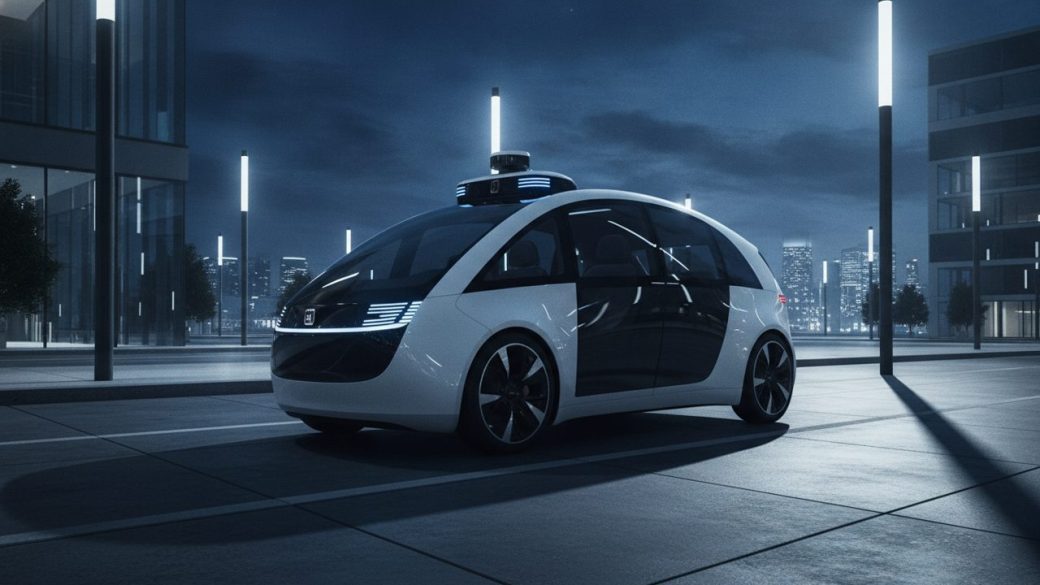
A robotaxi uses self-driving technology. This is also called autonomous, which means the car drives itself with no human help. The car uses cameras, sensors, and software to drive. There is no human driver. You book a ride on a phone app. The car comes, picks you up, and drives you to your stop on its own.
The new ranking is called the Road to Autonomy Index. It was made by a firm called Autnmy AI. TechCrunch reported on it. The index gives scores to robotaxi companies in many areas. Think of it like a school report card, but for self-driving taxi firms.
Who came out on top?
Baidu Apollo Go came first. It is the self-driving part of Baidu, a giant Chinese search and AI company. Waymo came second, only just behind. Waymo is Google’s self-driving company. Then came two more Chinese firms. Pony.ai came third. WeRide came fourth. Tesla, the US electric car maker, came fifth.
So three Chinese companies took spots two, three, and four on the index. That is the big news. China is no longer just catching up. On this report card, China is in front.
Key facts (as reported)
| Item | Detail (as reported) |
|---|---|
| Scorecard name | Road to Autonomy Index, by Autnmy AI |
| Ranked first | Baidu Apollo Go (China) |
| Ranked second | Waymo (US), “just barely” behind |
| Ranked third | Pony.ai (China) |
| Ranked fourth | WeRide (China) |
| Ranked fifth | Tesla (US) |
| Texas fleet, Waymo (late May 2026) | 620 autonomous vehicles (up from 577) |
| Texas fleet, Tesla (late May 2026) | 69 registered vehicles (up from 42) |
The TechCrunch report mostly looked at the rankings and some US fleet counts. A fleet is the full group of cars a company runs. The report did not give full ride numbers for every firm in every city. So the table below mixes the ranking with well-known public size figures. We have marked them all as reported. We have not made up any number.
China vs US robotaxi players: a quick comparison
| Company | Country | Where it runs (as reported) | Scale (as reported) |
|---|---|---|---|
| Baidu Apollo Go | China | More than 10 Chinese cities, including Wuhan, Beijing, Shenzhen | Around 1,000+ vehicles; reached about 6 million rides by late 2025 |
| Pony.ai | China | Guangzhou, Shenzhen and more; expanding | Plans to scale fleet past 3,000 vehicles and 20+ cities globally |
| WeRide | China | Guangzhou plus the UAE (Middle East) | Around 200+ vehicles (as reported) |
| Waymo | US | About 11 US cities; eyeing Tokyo and London | Around 3,000 robotaxis; about 500,000 paid rides per week |
| Tesla | US | Early rollout (e.g. Texas) | Small fleet; 69 registered vehicles in Texas (late May 2026) |
One thing stands out. Waymo still gives a large number of paid rides each week in the US. But China has more big players. It also has more cities and is pushing fast into new markets, like the Middle East. The report card gives high marks for this kind of broad strength.
Why is China ahead?
A few reasons come up again and again. First, Chinese cities have set clear rules and test zones for driverless cars. This lets companies start their service fast. Second, China has many strong firms at the same time, not just one. Baidu, Pony.ai, and WeRide all push each other to do better.
Third, Chinese firms are going global. WeRide already runs robotaxis in the UAE. Reports say Chinese firms reached the Gulf region before US rivals. US firms, on the other hand, have pulled back from some plans abroad. That gap helped China climb the report card.
This fits a bigger pattern in AI. The biggest wins often come from huge spending and fast rollout. You can see the same idea in talks about Sam Altman and AI scaling (scaling means making AI systems bigger and more powerful). Robotaxis work in a similar way. More cars on more roads means more data. And more data means smarter software.
What about the US side?
The US is not out of the race. Waymo is strong and getting bigger. Its Texas fleet grew to 620 cars by late May 2026, up from 577. Tesla is growing too, but from a small start, with 69 registered cars in Texas.
But the US car and EV world has its own problems. EV means electric vehicle, a car that runs on a battery instead of petrol. Money is tight and the fight for sales is hard. You can see this in news like Lucid Motors layoffs, where the EV maker cut staff to make its business simpler. Building self-driving cars costs a lot. It needs deep pockets and patience.
Why it matters (especially for India / founders)
India does not have robotaxis on its roads yet. Our streets are busy and full of all kinds of traffic. That is very hard for self-driving cars. But this story still matters for Indian readers, founders, and students. (A founder is a person who starts a new company.)
- The AI race is global. Robotaxis show how fast China can lead in real-world AI. India must decide where it wants to compete.
- Rules drive speed. China grew fast because cities gave clear test zones. India’s policy choices will shape whether new tech arrives early or late.
- Lessons for founders. Many strong firms competing at once, like in China, can push a whole sector ahead. A crowded market is not always a bad thing.
- New jobs and skills. Sensors, mapping, and AI software are growing fields. Students who learn them now will have an edge.
FAQ
What is a robotaxi in simple words?
It is a taxi that drives itself. There is no human driver. Sensors and software steer the car. You book it on an app, just like a normal cab.
Which company is winning the robotaxi race?
On the new Road to Autonomy Index, China’s Baidu Apollo Go came first. Waymo, Google’s self-driving company, came second by a small margin.
Does India have robotaxis?
Not yet. India’s traffic is heavy and mixed, which makes self-driving hard. For now, the technology is mostly being tested in China and the US.
Is a robotaxi safe?
Companies say their cars are tested a lot before they carry the public. But safety is still watched closely by regulators in both China and the US. (A regulator is a government body that makes and checks the rules.) The technology is getting better, but it is not finished.
The takeaway
The new report card sends a clear message. China’s lead in robotaxis is real, at least on this ranking. Baidu Apollo Go is on top, with Pony.ai and WeRide close behind. Waymo keeps the US in the fight. But the gap is closing in the wrong way for America. For the rest of the world, including India, the next few years will decide who shapes the future of self-driving travel.
Source: TechCrunch Mobility: A new robotaxi scorecard shows China’s dominance. Extra public size figures come from company filings and reporting; marked as reported.