Instagram TV App Goes After Netflix and YouTube With Longer, Episodic Video
The Instagram TV app is trying something new. Instagram is owned by Meta. Meta is the company that also owns Facebook and WhatsApp.
Instagram wants to add longer videos to its TV app. It also wants shows that come out in parts, plus live video. A report by TechCrunch says this puts Instagram up against streaming apps. Those rivals are Netflix, Amazon Prime Video, and YouTube. A streaming service is an app that plays video online, like Netflix or YouTube.
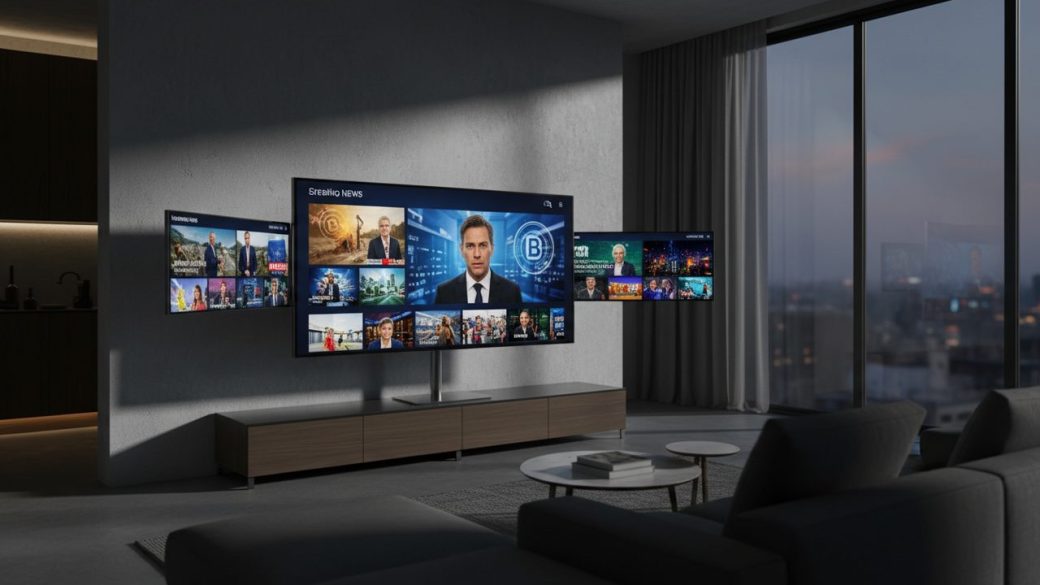
The goal is simple. Instagram wants you to watch it on the big TV in your living room. It does not just want you to watch on your phone.
Here is what the new plan means in plain words. Episodic means the videos come out in parts, like a TV show with new episodes. Longer-form video is the opposite of a quick clip. It is a video you sit and watch for a few minutes or more. Instagram now wants all three of these on your television.
What Instagram is actually changing
Instagram launched its TV app in December 2025. It started on devices like Amazon Fire TV and Google TV. Later it also came to Samsung TVs. So if you own a smart TV, you may already be able to open Instagram on it.
The TV app already does a few smart things. It lets you cast. Casting means you send a video from your phone to your TV screen.
The app also sorts videos into channels based on what you like, such as comedy or sports. And it shows wide videos. Wide videos fit a TV screen better than the tall videos made for phones.
Now Instagram is testing bigger ideas. TechCrunch says it is trying longer videos, shows in parts, and live creator events. In early June 2026, it began testing a “Series” feature for Reels. This helps people follow content that comes out in parts. Think of it like watching season one of a show, one episode at a time.
Why move beyond short clips?
For years, Instagram was known for short content. Photos, Stories, and Reels were the main draw. Reels are short videos that stand up tall on your screen. Its rivals here were TikTok and YouTube Shorts.
But the new TV push aims higher. It goes after the time people spend on the couch watching long shows.
This is part of a bigger fight. People call it the “attention war.” Every app wants more of your watching time. TV time is special because people watch for longer and pay closer attention. If Instagram can win some of that time, it can show more ads and keep users coming back.
Key facts (as reported)
| Detail | What is reported |
|---|---|
| Who | Instagram, owned by Meta |
| TV app launched | December 2025 |
| Devices | Amazon Fire TV, Google TV, Samsung TVs |
| New formats being tested | Longer-form video, episodic series, live creator experiences |
| “Series” feature for Reels | Began testing early June 2026 |
| Rivals targeted | Netflix, Amazon Prime Video, YouTube |
| Existing features | Channels by interest, casting from phone, horizontal video, Stories on TV |
Note: The TechCrunch report did not share any user numbers or money figures for the TV app. The facts above are about features and dates.
The creator economy angle
The creator economy means people who earn money by making online content. That content can be videos, posts, and live streams. Instagram’s new plan is built around these creators. Shows in parts and live video give creators new ways to keep fans coming back.
For a creator, a series can build loyalty. Say a new episode drops every week. Then fans return again and again. Live video lets creators talk to fans in real time. YouTube and TikTok creators already use this same trick to grow.
Many of these changes are powered by new tech and AI tools. This shift sits next to a bigger move toward agentic AI replacing SaaS. There, smart software does tasks on its own and changes how digital products are built and used. For creators, the lesson is the same. The platforms keep changing, so the smart move is to follow where the attention goes.
Why it matters (especially for India, founders, and creators)
India is one of Instagram’s biggest markets. Millions of Indians use Reels every day. A TV app with longer shows could open a fresh path for Indian creators. Right now, many local creators make short clips. A series format may let them tell deeper stories and build bigger fan bases.
For founders and business owners, there is a clear signal here. The line between “social media” and “streaming TV” is fading fast. If Instagram becomes a TV channel, brands will need new kinds of video, not just quick ads. Long, story-driven videos may soon matter as much as a snappy Reel.
For students learning about business and media, this is a live example of how big tech firms grow. Meta is not building a brand-new app. It is stretching an app people already love into a new space. That is often cheaper and faster than starting from zero.
FAQ
What is the Instagram TV app?
It is a version of Instagram made for smart televisions. It launched in December 2025. It works on devices like Amazon Fire TV, Google TV, and Samsung TVs. It lets you watch Reels, Stories, and channels on a big screen.
What new formats is Instagram adding?
TechCrunch reports that Instagram is testing longer videos. It is also testing shows released in parts (episodic series) and live creator events. It began testing a “Series” feature for Reels in early June 2026.
Who is Instagram competing with?
Instagram is now aiming at streaming apps. These are Netflix, Amazon Prime Video, and YouTube. They all play long video online. In the past, Instagram mostly competed with TikTok for short clips.
Does this affect creators in India?
Likely yes. India is a huge Instagram market. New series and live formats could give Indian creators fresh ways to tell longer stories. They could also help them earn money, especially on the big screen.
The takeaway
The Instagram TV app shows where social media is heading. Meta wants Instagram to live on your television, not just your phone. Longer shows, episodic series, and live video are the tools it is using to get there. For creators, founders, and viewers, this race for living-room attention is just getting started.
Source: TechCrunch