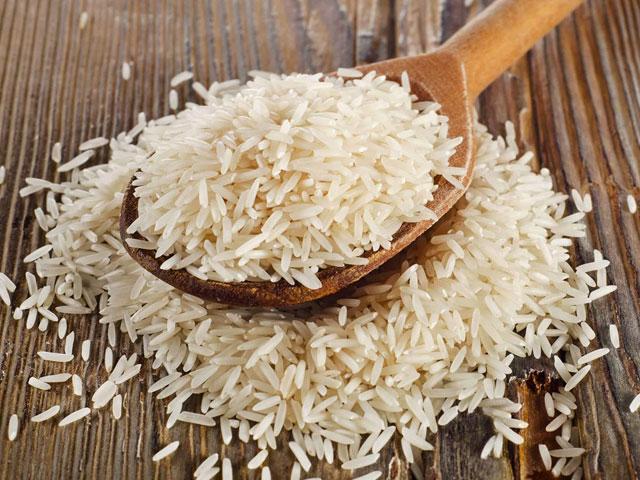
Domestic prices of Indian Basmati rice have fallen by 5% to 10%, reversing a short-lived price rally following Iran’s sudden decision to close the crucial Strait of Hormuz to commercial shipping once again.
The closure has hit India’s premium grain trade at an incredibly sensitive moment, leaving an estimated 60,000 tonnes of Basmati rice currently stranded in transit and freezing fresh orders across the Middle East.
1. Erasing the “Peace Deal” Price Surge
The sudden drop in domestic prices is primarily a correction of an aggressive, speculative surge that occurred earlier this month.
- The Hope: Following the announcement of an interim peace agreement between the United States and Iran, exporters believed West Asian trade routes would rapidly normalize.
- The Surge: Expecting a massive release of pent-up demand from the Gulf, Indian exporters began buying heavily in the local wholesale markets (mandis), which caused domestic Basmati prices to shoot up by 15% to 20% almost overnight.
- The Reality Check: Iran’s sudden escalation and subsequent re-closure of the Strait—in protest of ongoing regional conflicts—shattered that optimism. Exporters immediately halted fresh procurement, pulling the rug out from under the market and causing prices to crash back down by 5–10%.
2. Why the Strait of Hormuz Dictates Basmati Economics
The Strait of Hormuz is the literal choke point for India’s premium rice economy. The West Asian and Gulf corridors represent the ultimate “battleground” for high-margin rice trade, absorbing nearly 50% of India’s total annual Basmati exports.
India's Total Basmati Production ──► ~7.2 Million Tonnes
Total Global Export Volume        ──► ~6.0 Million Tonnes
West Asian Market Share           ──► ~3.0 Million Tonnes (50% of Exports)
  └─► Top Destined Markets: Saudi Arabia, Iran, Iraq, UAE, and Yemen
With shipping through the Strait ground to a virtual halt, exporters cannot fulfill existing contracts, let alone sign fresh ones. Freight rates and marine insurance premiums have skyrocketed, forcing both international buyers and domestic millers to sit on their hands until geopolitical tensions clear.
The Tea Industry Also Bleeding: The Hormuz closure has triggered a parallel crisis for the Indian tea sector. Roughly 50% of India’s premium orthodox tea is exported to Middle Eastern markets. Shipments usually peak in June with the arrival of the highly prized “Second Flush” crop, but the current naval blockade has brought tea exports to a near-complete standstill.
3. The Shadow of Pakistani Competition
Making matters more complicated for Indian traders, the supply chain deadlock comes amid an aggressive push by Pakistan—the world’s only other major exporter of authentic Basmati—to capture Middle Eastern market share.
Earlier this year, Pakistan’s Ministry of Commerce deployed a highly aggressive Drawback of Local Taxes and Levies (DLTL) scheme, effectively granting its exporters a 9% tax refund/subsidy on high-value Basmati shipments. While the ongoing conflict initially suppressed the effectiveness of this subsidy, Indian rice federations flag that if the gates of Hormuz reopen unevenly, Pakistani traders will be structurally positioned to flood the Gulf markets with heavily discounted, subsidized grain, undercutting Indian market share.
For now, India’s massive domestic stockpiles—buoyed by consecutive record harvests—mean there is zero threat of local shortages, but until the shipping containers can clear the waters of Hormuz, rice millers and farmers will continue to bear the financial brunt of depressed domestic pricing.