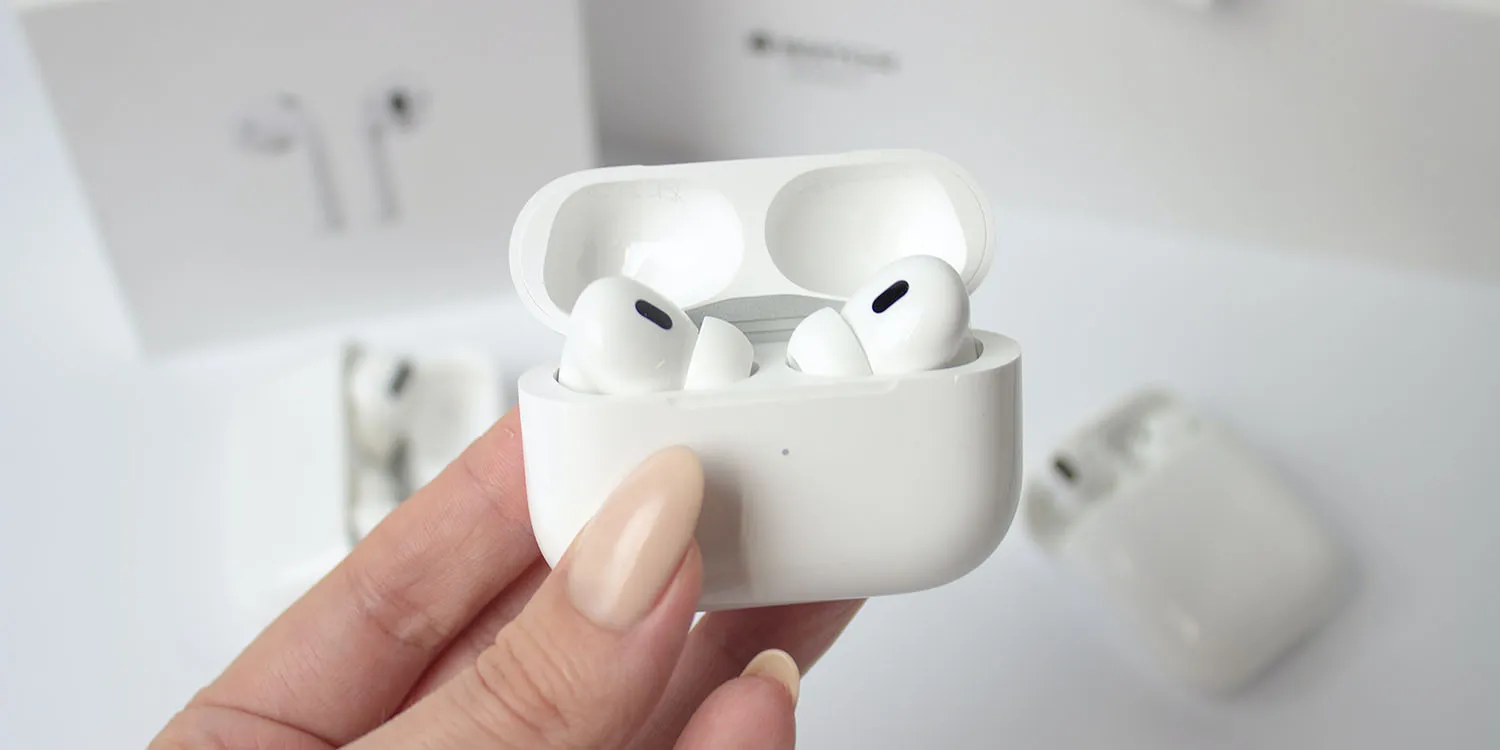
Apple’s highly anticipated, experimental project to build camera-equipped AirPods Pro has reportedly been placed on indefinite hold.
The update comes from the prominent Apple prototype hardware collector and leaker Kosutami, who posted a single-word update on X on July 3, 2026: “Suspended.”
The abrupt halt catches the tech industry by surprise, especially since Bloomberg reported just weeks earlier that the visual-intelligence earbuds had entered advanced testing and the final design validation phase.
1. Giving Siri a Pair of Eyes: The Core Concept
The camera-equipped AirPods were never intended for traditional photography or video recording. Instead, Apple engineered the device as a wearable hardware extension for Apple Intelligence:
- Environmental Awareness: The earbuds were designed with miniature forward-facing infrared cameras embedded into slightly elongated stems (resembling the design profile of the AirPods Pro 3).
- Real-Time Data Streams: The cameras were meant to continuously feed low-res visual data to a revamped, multi-modal version of Siri running on the upcoming iOS 27.
- The Intent: Users would be able to point their head at an object, a building, or a sign and ask Siri for instant contextual translations, step-by-step navigation help, or real-time object identification.
 [ THE SUSPENDED CAMERA-AIRPODS LOOP ]

  FORWARD STEM CAMERAS ──► Intended to capture a real-time field-of-view data stream
                                    │
                                    ▼ (Processed Locally via Apple Intelligence)
  VISUAL INTELLIGENCE  ──► Allows Siri to see exactly what the user is looking at
                                    │
                                    ▼
  STATUS: [ SUSPENDED ] ──► Paused due to software readiness lags and privacy hurdles
To counter massive anticipated privacy pushback, early engineering builds even included a physical LED indicator light on the stem that would illuminate whenever the cameras were actively streaming data.
2. Why Did Apple Pull the Plug?
While Apple has not formally commented on its internal hardware roadmap, supply chain analysts point to two primary bottlenecks that forced the suspension:
The AI Software Readiness Gap
The ultimate utility of the hardware relies entirely on the capability of Apple’s Visual Intelligence models. Internal development sources indicate that while the physical earbud frames were close to manufacturing readiness, the multi-modal AI framework needed to process spatial audio and video simultaneously without draining battery life is still lagging behind internal benchmarks.
The Industry Components War
The consumer electronics sector is currently wrestling with severe component constraints. Massive hyperscale data centers are sucking up global memory, substrate, and power-management chip allocations. Operating teams at Apple have been under intense pressure to secure components for high-priority mass-market launches—like their upcoming $2,500+ foldable iPhone Ultra—leaving highly experimental audio accessories fighting for limited supply-chain bandwidth.
3. Clues Left Behind in iOS 27 Beta Code
Despite the hardware development freeze, Apple’s software teams had already integrated framework foundational support deep inside the operating system.
Just hours before the suspension leak, iOS developers discovered references to the camera-equipped accessory hidden inside the latest iOS 27 developer beta. Specifically, system prompt configuration files describe code explicitly mapped to handle “two images from cameras on either side of the user’s head (left first, right second)”—confirming just how close the product came to a commercial launch cycle.
| Factor | Legacy AirPods Pro Setup | Suspended Camera Prototype (2026) |
| Primary Interaction | Limited to audio transparency and active noise cancellation (ANC). | Full spatial computing integration acting as an audio map for the environment. |
| Target Timeline | Steady incremental audio refreshes. | Originally slated for a First-Half 2026 window; now pushed back indefinitely. |
| Hardware Dependencies | Standard optical in-ear sensors. | Dual infrared sensors utilizing Face ID-style depth-mapping patents. |
While a “suspension” indicates that Apple has placed the project on the back burner rather than destroying the project completely, it effectively dashes any consumer expectations for a surprise reveal alongside the iPhone 18 lineup this fall. For now, Apple’s vision-based wearable ambitions will remain concentrated strictly on its high-end headsets and upcoming smart glasses infrastructure.