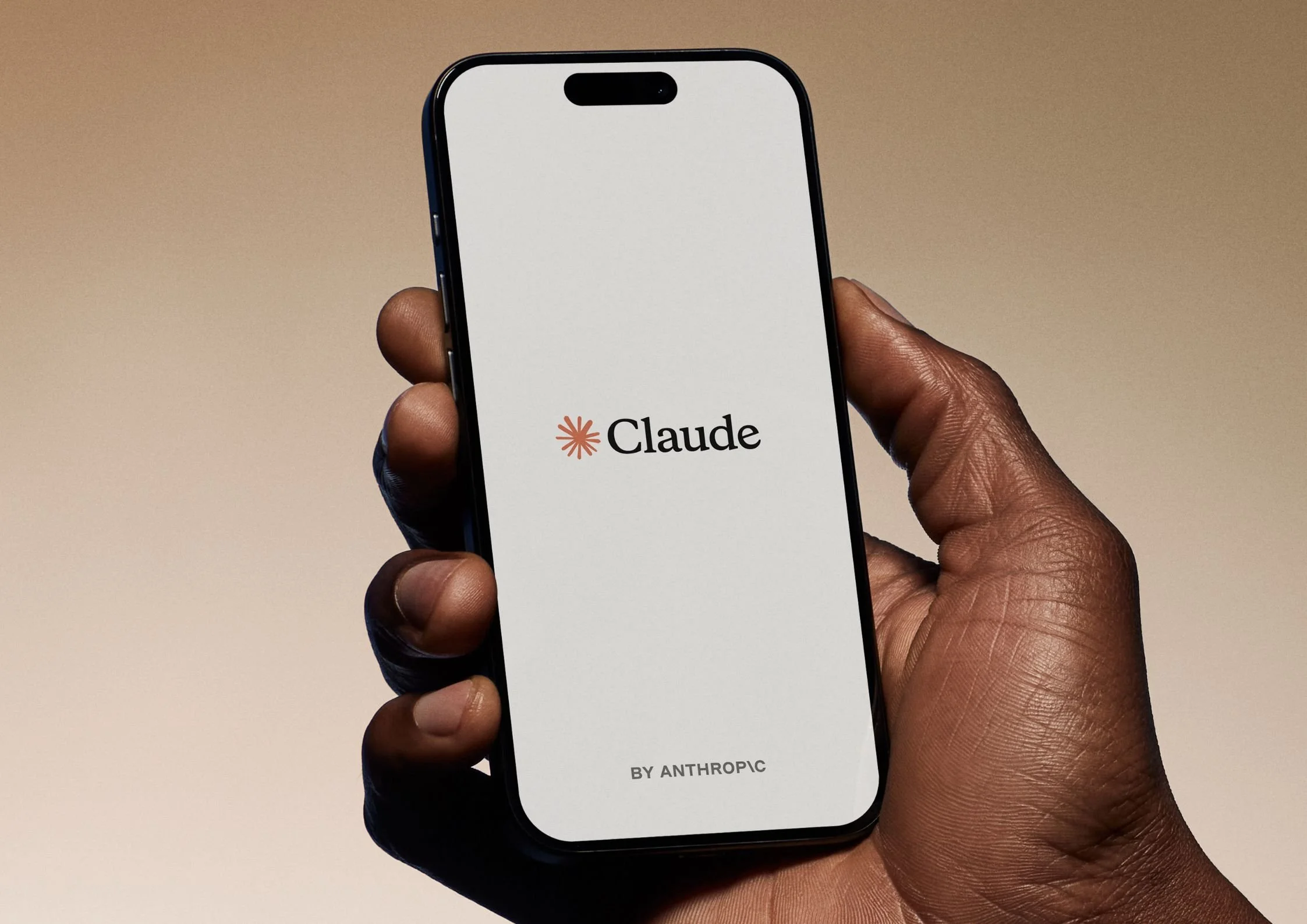
It sounds like a sci-fi loop, but the reality is already here: Claude is actively writing the code to build the next generation of Claude.
The dynamic was recently brought to light by Anthropic’s leadership team—including CEO Dario Amodei and Chief Product Officer Mike Krieger—who confirmed that their internal development has reached a major milestone. At Anthropic, the engineering workflow has fundamentally flipped, with AI handling the vast majority of the programming grunt work.
1. The “100% Claude” Engineering Loop
During recent tech summits, Krieger revealed that for most digital products and foundational updates within Anthropic, it is effectively 100% just Claude writing the code. Human engineers are no longer staring at blank screens typing out syntax by hand; instead, they have built complex “scaffolds” around the AI to safely direct its outputs.
- The Hyper-Productive Cycle: Engineers utilize Claude Code (their autonomous terminal-based coding agent) to rapidly build features, refactor old codebases, and draft system documentation.
- The “Super Tough” Grader: In an ironic twist of machine learning, Claude is also used as an adversarial code reviewer against itself. When an engineer submits a pull request, Claude scans the code, aggressively flags its own potential security vulnerabilities, and tells the human devs exactly how the logic could be refactored or tightened.
 [ Product Goal Defined ] ──► Human Engineer Prompts Claude Code
                                        │
                                        ▼
 [ Autonomous Generation] ──► Claude Writes Feature Code / Architecture
                                        │
                                        ▼
 [ Adversarial Review  ] ──► Claude Scans Its Own Code for Security Flaws
                                        │
                                        ▼
 [ Final Handshake     ] ──► Human Engineer Reviews, Validates, and Ships Code
2. Validation of a Bold Prediction
This internal shift validates a highly controversial timeline laid out by Dario Amodei. He predicted that the industry would rapidly transition to a world where AI writes essentially all software code.
While many onlookers initially dismissed the timeline as standard Silicon Valley hype, Anthropic’s internal telemetry data from earlier developer surveys proved the trend was real: over 55% of their researchers and engineers were already offloading debugging tasks to Claude on a daily basis, completely transforming the speed at which they can iterate on next-gen AI models.
3. If the AI is Coding, Why is Anthropic Still Hiring?
The revelation that Claude is writing its own code has led to an obvious question from the tech community: Why does Anthropic still have hundreds of open engineering roles with salaries scaling past $400,000?
Boris Cherny, the engineering lead who built Claude Code, clarified that human software engineers aren’t being erased—their responsibilities are just moving significantly higher up the intellectual stack.
| Old Software Engineering Role | The AI-Orchestrator Era |
| Writing Boilerplate: Spending hours manually writing repetitive syntax, functions, and standard scripts. | System Architecture: Figuring out how massive, complex data systems handle scalability and infrastructure constraints. |
| Manual Debugging: Hunting line-by-line through thousands of lines of terminal text to find a missing semicolon. | Strategic Input: Talking to enterprise clients, identifying core problems, and deciding what high-value features actually need to be built next. |
| Isolate Security Flaws: Standard penetration testing executed over days by human security teams. | Prompt & Audit: Acting as the ultimate supervisor—prompting the AI agents with precise guardrails and deeply auditing the code before it hits production. |
By allowing Claude to shoulder the tedious mechanics of software generation, Anthropic is treating its AI as a force multiplier. This loop dramatically shortens the training and deployment cycles needed to roll out frontier systems like Claude 4.5 and 5, essentially letting the current AI lay down the digital bricks for the hyper-intelligent models coming next.