Key takeaways
- Kerala says any Vizhinjam port stake sale needs the state government’s approval first.
- The warning came after reports that MSC may buy a stake in the Adani-run port project.
- Vizhinjam is a deep-sea port, which means very large ships can dock there.
- The issue matters because the project runs under a state agreement, not only a private business deal.
Vizhinjam port stake sale is the fight over who can buy part of the new Kerala port project. It means Adani cannot simply bring in a new partner if the state contract says Kerala must agree first. That is the core message from the Kerala government. And it could shape what happens next at one of India’s most-watched ports.
Kerala has warned Adani that any plan by MSC to buy a stake in Vizhinjam needs prior state approval. MSC is Mediterranean Shipping Company, one of the world’s biggest shipping lines. The state says the port was built under a concession agreement. A concession agreement is a contract that lets a private company build and run a public asset for a set time.
Why is the Vizhinjam port stake sale in question?
The issue started after reports said MSC was looking at a stake in the project. A stake means an ownership share in a business. Kerala then reminded Adani that the agreement for Vizhinjam gives the state a say over such moves.
That matters because Vizhinjam is not just any port. It is a major infrastructure project on India’s southern coast. Infrastructure means the basic systems a country needs, like ports, roads, and power lines. Kerala has backed the project for years, so it does not want control to shift without notice.
The state’s point is simple. If the company structure changes in a big way, Kerala wants to check the terms first. That does not automatically block a deal. But it does mean the Vizhinjam port stake sale cannot move like a normal private share sale.
What exactly is Vizhinjam port, and why do people care?
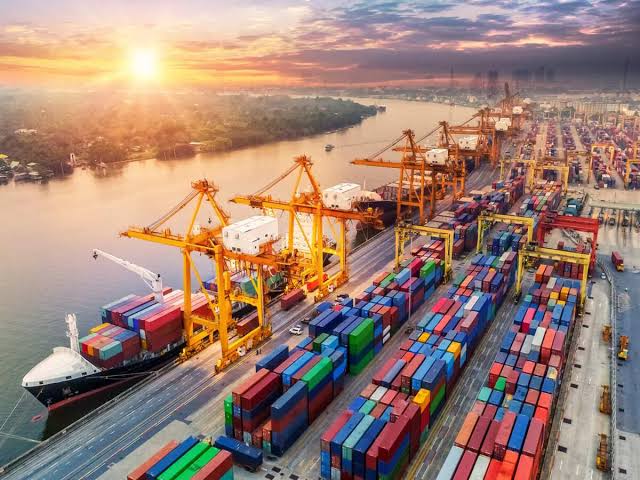
Vizhinjam is a deep-water transshipment port near Thiruvananthapuram. Transshipment means cargo moves from one ship to another before heading onward. Today, a lot of Indian cargo is shifted at foreign ports like Colombo, Singapore, and Dubai. Supporters say Vizhinjam can help keep more of that business in India.
The port is important because of its natural depth. Bigger ships need deeper water, so they can dock without heavy dredging. Dredging means digging out the seabed. That can cut costs over time and help the port compete for global traffic.
India handles huge trade volumes by sea. About 95% of India’s trade by volume moves through maritime routes, according to the Press Information Bureau. So a project like Vizhinjam is not just local news. It links to shipping costs, export speed, and India’s wider trade goals.
Why does Kerala say it must approve the Vizhinjam port stake sale?
Kerala’s argument appears to rest on the concession pact signed for the project. If a new investor comes in, the state wants to see whether that changes ownership, control, or obligations. Obligations are the duties each side must meet under the contract.
That is common in big public-private projects. Public-private means the government and a company work together on a project. A road, airport, or port may be run by a firm, but the state often keeps powers over major changes. So Kerala is saying, in effect, that the rules already exist and must be followed.
For readers, the key point is this: a Vizhinjam port stake sale is not only about money. It is also about control. If MSC joins, Kerala wants to know who will make decisions and how the original deal may change.
Kerala’s message is direct: any Vizhinjam port stake sale involving a new investor like MSC needs state approval first because Vizhinjam runs under a government concession, not a free-floating private contract.
How big is the project?
Vizhinjam is one of India’s most ambitious port bets. The first phase has often been cited at around ₹8,800 crore. That is roughly the size of a large airport project. Big numbers matter here because ownership changes in projects this large can affect lenders, contractors, and future expansion.
The port also aims to handle giant container ships. Container ships carry metal boxes filled with goods. A single large vessel can carry thousands of containers, so even small delays or changes in planning can have wide effects.
| Point | What it means |
|---|---|
| Project type | Deep-sea transshipment port |
| Location | Near Thiruvananthapuram, Kerala |
| Reported interested buyer | MSC |
| Current developer | Adani group entity |
| State position | Approval needed before stake transfer |
Here is a quick view of the key numbers and facts:
Vizhinjam at a glance₹8,800 crore first phase95% of India trade by volume via sea1 state approval hurdle
What could happen next?
Several paths are possible. Kerala could review a formal proposal and approve it with conditions. Or it could ask for changes, more documents, or stronger safeguards. Safeguards are protections built into a deal.
MSC and Adani may also decide to adjust the structure. For example, a company can buy an economic interest without taking full control. Economic interest means a right to profits, but not always a right to run the business. Much depends on the exact contract terms, which are not all public.
Until a formal filing appears, this remains a warning stage. Still, markets and policy watchers care because ports are strategic assets. Strategic means important for trade, security, and long-term planning. That is why governments usually watch such deals closely.
How does this fit into India’s wider port push?
India wants faster logistics and lower shipping costs. Logistics means the movement of goods from one place to another. New ports, roads, rail links, and warehouses all help. If cargo stays in India instead of shifting through foreign hubs, companies may save time and money.
That is also why investors like large port assets. They can earn from cargo handling, storage, and linked services. But public projects come with rules. So the Vizhinjam port stake sale story shows the tension between private capital and state oversight.
You can see the bigger economic backdrop in our coverage of why the government sees 7.7% growth for India’s economy. Energy and trade links also matter, as shown in our report on India-Japan cooperation in energy and defence. For infrastructure financing, our story on India’s private credit market hitting $25 billion explains why big projects now attract many kinds of capital.
For the official shipping policy backdrop, readers can also check the Sagarmala programme website, which tracks India’s port-led development push.
What does this mean for Kerala and Adani right now?
Right now, it means neither side can act as if this is routine. Kerala wants its legal rights respected. Adani, if it wants a new partner, may need to show that the deal fits the original pact. That can slow things down, but it can also reduce future disputes.
For Kerala, the goal is likely twofold. It wants investment, because a working global port can lift jobs and trade. But it also wants control over a public asset created through a state-backed agreement. Those two goals can work together, though they often create friction.
So the Vizhinjam port stake sale is now a test of contracts, not just commerce. If Kerala approves a future deal, the project could still gain a powerful global shipping partner. If talks stall, the ownership picture may stay unchanged for now.
FAQs
What is a stake sale?
A stake sale means selling part ownership in a company or project. The buyer gets a share of value and, sometimes, a say in decisions.
Why does Kerala have a say here?
Because Vizhinjam runs under a concession agreement with the state. Kerala says that contract requires approval before a major ownership change.
Who is MSC?
MSC is Mediterranean Shipping Company. It is one of the world’s largest container shipping groups.
How could this affect the port?
If approved, a new partner could bring money, cargo links, or expertise. But first, the state wants to check how the deal would affect control and contract terms.